The short version
- The striped bass population has suffered eight straight years of weak reproduction in its primary spawning ground, the Chesapeake Bay, driven largely by warming waters and low river flows.
- Industry stakeholders warn that without immediate intervention, including potential fishing moratoriums, the species could face a severe collapse around 2029 or 2030.
- The decline threatens an estimated $8 billion annual economic impact and up to 100,000 jobs across the Atlantic coast, complicating regulatory efforts to balance conservation with livelihoods.
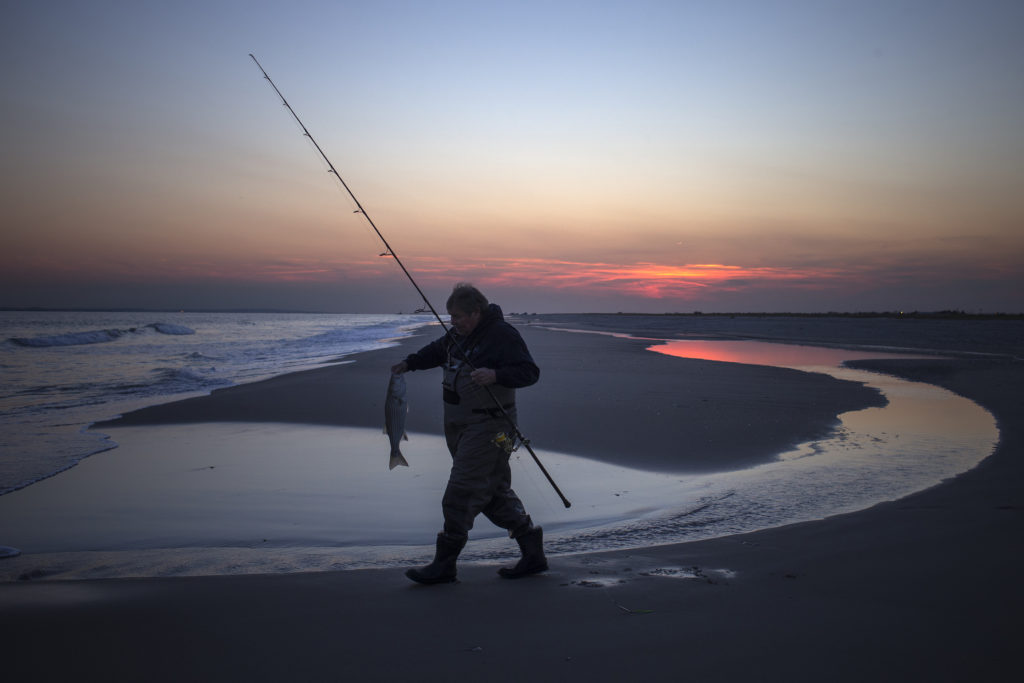
Anglers along the Atlantic Coast are witnessing a stark departure from historical norms as striped bass populations dwindle. For decades, the species has been a cornerstone of coastal culture and economy, but recent trends indicate a troubling trajectory. Fishermen report that large runs of stripers have ceased, and younger fish are increasingly difficult to locate. This shift marks a significant change from earlier eras when abundant catches were common, raising urgent questions about the sustainability of current fishing practices and the resilience of the ecosystem.
Scientific assessments confirm these observations, highlighting eight consecutive years of poor reproduction in the Chesapeake Bay. This region serves as the critical habitat where up to ninety percent of striped bass spawn and grow their early lives. The failure of new generations to enter the population at sufficient rates has led to a broad decline along much of the Atlantic coast. Regulators and biologists agree that the current situation is not merely a temporary fluctuation but a sustained downturn that threatens the long-term viability of the species.
Environmental factors play a dominant role in this reproductive failure. Striped bass rely on cool, wet springs to successfully hatch and thrive in estuaries where rivers meet the sea. Recent years have seen low precipitation and rapid warming of water temperatures, conditions that are detrimental to larval survival. Experts describe these environmental drivers as the primary cause of weak year classes since 2019. The combination of drought-like river flows and elevated summer temperatures has created a hostile environment for juvenile fish, preventing the population from replenishing itself.
While climate-related stressors are significant, historical overfishing remains a compounding issue. Veteran anglers acknowledge that past practices involved harvesting fish with little regard for sustainability. Although interstate regulators have implemented management changes, such as standardizing size measurements, they have resisted reducing recreational catch limits. Some industry members argue that these measures are insufficient given the severity of the decline. There is growing sentiment among conservationists and some fishermen that more drastic actions, potentially including a fishing moratorium similar to those enacted in the 1980s, may be necessary to prevent total collapse.
The economic stakes are substantial. The striped bass fishery supports an estimated $8 billion in annual economic activity across the United States. This figure encompasses not only the catch itself but also related sectors such as fishing guides, boat rentals, gear sales, bait supplies, and hospitality services. Approximately 100,000 jobs depend on this industry. A significant reduction in fish availability would ripple through local economies, affecting communities from Maine to Florida that rely on tourism and recreational fishing revenue.
Predictions for the near future are grim. Industry coordinators and advisory panel members warn that the population could reach a breaking point around 2029 or 2030. They describe the potential outcome as an abrupt and severe decline, often referred to as going off a cliff. This timeline suggests that the window for effective intervention is narrowing. The uncertainty surrounding whether current regulatory adjustments can mitigate the environmental pressures adds to the anxiety among stakeholders.
Additional ecological complexities further obscure the path to recovery. Increased predation by seals and sharks may be placing additional pressure on striped bass stocks, although the extent of this impact remains a subject of debate. Pollution in key habitats also contributes to the deteriorating conditions. These multifaceted challenges make it difficult for regulators to determine if tighter fishing limits alone will suffice. The interplay between human activity and environmental change requires a nuanced approach that addresses both immediate conservation needs and long-term ecological health.
As the situation evolves, the focus remains on balancing preservation with economic reality. Regulators are tasked with making decisions that protect the species while minimizing disruption to livelihoods. However, the consensus among scientists is that without significant changes, the iconic status of striped bass may be lost. The coming years will likely test the resolve of policymakers and the adaptability of coastal communities as they confront the possibility of a fundamentally altered marine landscape.
Sources behind this briefing
Go to the original reporting
- PBS NewsHour↗For many, striped bass fishing is a way of life. But the iconic species could face collapse