The short version
- The United States cancelled the traditional G20 group photograph after multiple nations refused to appear alongside Russian officials.
- European and allied leaders cited Russia's ongoing war in Ukraine as the primary reason for boycotting the symbolic gesture.
- Deep geopolitical rifts regarding membership and security concerns threaten to prevent a unified statement from the foreign ministers.
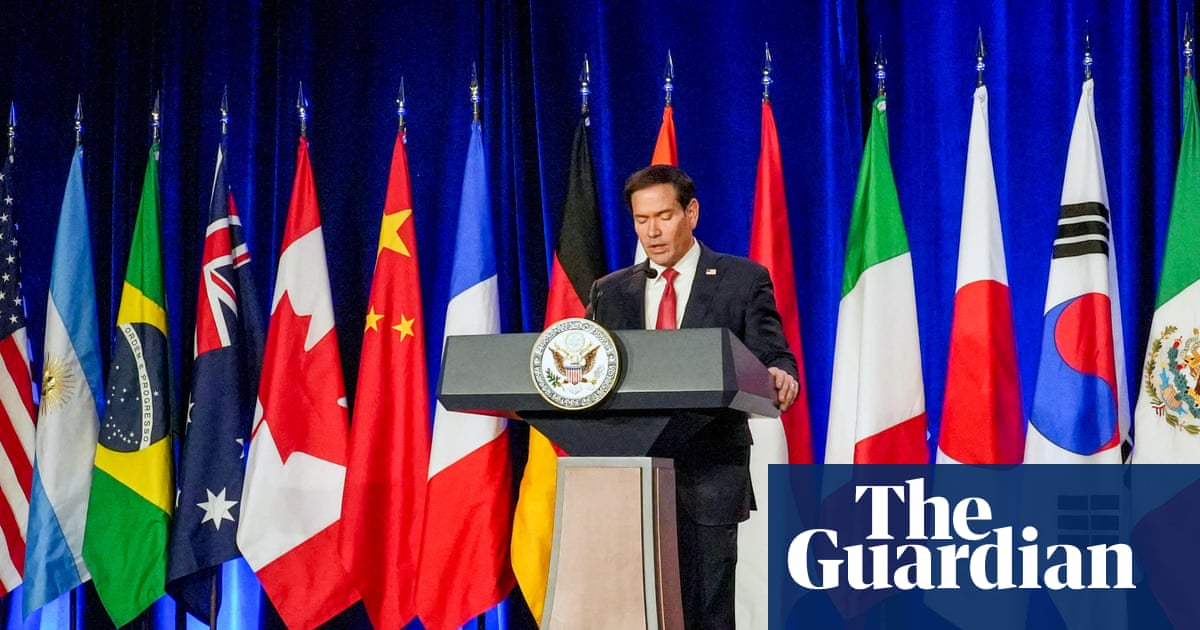
The traditional opening photograph of the G20 foreign ministers meeting was abruptly cancelled by United States officials, marking a visible fracture in diplomatic unity. Secretary of State Marco Rubio made the decision after approximately one-third of the participating nations indicated they would not stand beside Russian Foreign Minister Sergei Lavrov. This symbolic snub occurred during the gathering in Atlanta, where leaders convened to address pressing global economic and security challenges.
The refusal to participate in the group image stems from widespread condemnation of Russia's military actions in Ukraine. Officials from the United Kingdom, Australia, and several European Union member states made their positions clear prior to the session. They argued that appearing together with Russian representatives would imply a normalization of relations that contradicts their stance on the ongoing conflict. For these nations, the photo opportunity was not merely ceremonial but a political statement they were unwilling to make.
German Foreign Minister Johann Wadephul emphasized that there is no normality in relations with Russia, ruling out any joint imagery with European partners. Similarly, UK Foreign Secretary Ed Miliband noted that his government has avoided such engagements for years. These positions reflect a broader consensus among Western allies that diplomatic gestures should not obscure the reality of the war. The cancellation thus serves as a public acknowledgment of this entrenched disagreement.
Australian Foreign Minister Penny Wong used the opening session to directly condemn Russia's invasion, highlighting its impact on global food security and international markets. She stated that Australia remains consistent in its refusal to legitimize what it describes as an illegal war. A spokesperson for Wong confirmed support for the US decision to scrap the photo op, reinforcing the alignment between Canberra and Washington on this specific diplomatic protocol despite broader policy differences.
The schism in Atlanta underscores the difficulties faced by the Trump administration in attempting to reintegrate Russia into the international community. While Rubio opened talks with an appeal for unity amid interconnected crises, the underlying tensions remained palpable. Diplomats described the atmosphere as cordial but noted that Russia's position on Ukraine remains unyielding. This rigidity complicates efforts to find common ground on other pressing issues.
Beyond the photo controversy, significant disagreements threaten to derail the production of a joint communique. Russia continues to oppose Poland's membership in the G20, a stance that clashes with US support for Warsaw's inclusion. Additionally, the exclusion of South Africa, a founding member and the only African nation in the group, has drawn criticism. US officials cited deliberate choices regarding invitations, while South African representatives maintained their nonparticipation was not voluntary.
Polish Deputy Prime Minister Radosław Sikorski, attending as a guest during Poland's first appearance at such a meeting, expressed skepticism about reaching consensus. He pointed out the difficulty of agreeing on a common line when participants in active conflicts are present at the same table. His comments reflect the broader sentiment among attendees that the current geopolitical landscape makes unified statements increasingly difficult to achieve.
Despite these obstacles, some participants indicated a willingness to work through differences ahead of next month's leaders' summit in Florida. Anonymous diplomats suggested that efforts would continue to ensure the upcoming event is successful, even if immediate consensus remains elusive. The focus now shifts to whether substantive progress can be made on trade and security issues despite the visible diplomatic fractures.
The absence of Ukraine from this year's invitation list further complicates the dynamic. US officials stated that only formal G20 members were invited, a departure from previous years where Kyiv was included. This decision has drawn attention as Poland seeks formal membership with American backing. The evolving composition and participation rules highlight the shifting priorities within the group.
As the meetings conclude, the lack of a joint statement appears likely given the entrenched positions on Ukraine and membership. The cancelled photograph serves as a microcosm of larger diplomatic challenges facing the G20. With global crises intensifying, the ability of major powers to present a united front remains in question, setting a tense stage for future international cooperation.
Sources behind this briefing
Go to the original reporting
- The Guardian US↗US cancels G20 ‘family photo’ after Australia, UK and others refuse to appear with Russia