The short version
- US legislators condemned Starbucks for opening stores in Xinjiang, labeling the decision morally bankrupt due to ongoing allegations of human rights abuses against Muslim minorities in the region.
- Chinese officials rejected these accusations as false narratives, emphasizing economic stability and social harmony, while local social media highlighted strong consumer interest in the new locations.
- Industry experts suggest the expansion aligns with Starbucks’ broader strategy to leverage local expertise through its joint venture partner, prioritizing commercial viability over geopolitical signaling.
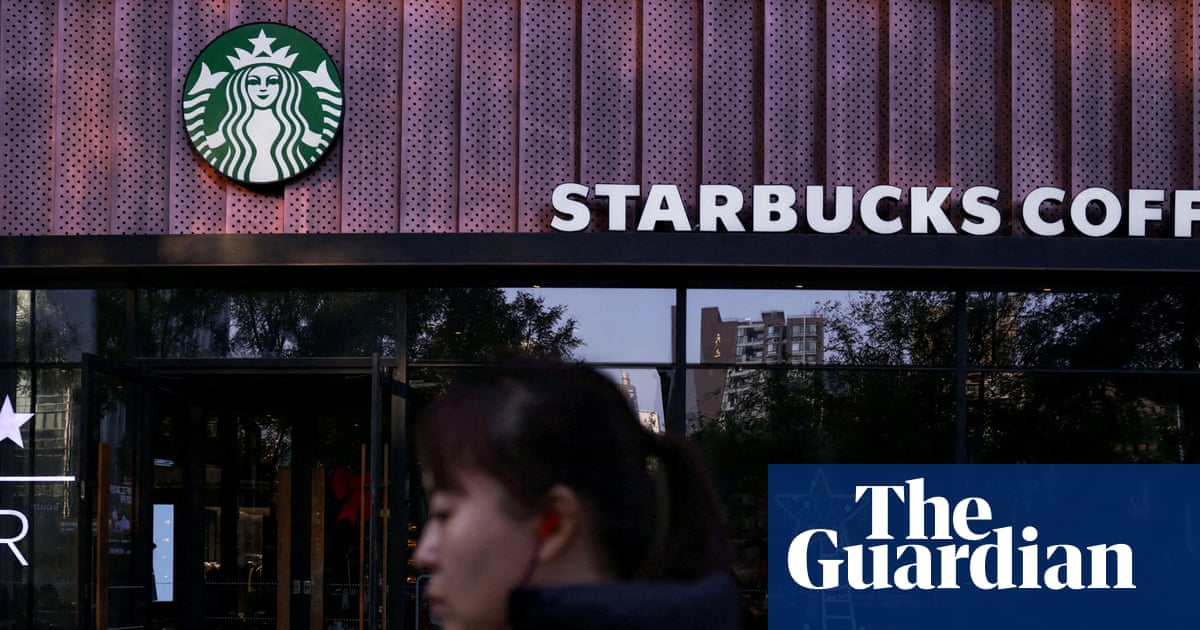
Starbucks has opened two new retail locations in China’s Xinjiang region, a move that has immediately triggered a clash between corporate strategy and international human rights advocacy. The expansion marks the first time the American coffee chain has established a physical presence in this specific area, drawing intense scrutiny from Washington. Lawmakers in the United States have characterized the decision as ethically compromised, arguing that operating in Xinjiang ties the brand to a government accused of severe repression against Uyghur Muslims and other minority groups.
John Moolenaar, who chairs the House Select Committee on China, issued a stark rebuke of the company’s actions. He described the expansion as morally bankrupt, asserting that there is no legitimate business justification for an American entity to operate where mass detentions have occurred. According to Moolenaar, every transaction in these new stores serves to legitimize what he describes as a brutal campaign aimed at erasing the faith, language, and culture of the Uyghur population. His comments reflect a growing sentiment among some US politicians that corporate engagement in Xinjiang amounts to complicity in state-sponsored abuses.
The controversy centers on longstanding allegations regarding Beijing’s treatment of Muslim minorities in the region. Washington, along with several other governments and rights organizations, has accused China of committing genocide or crimes against humanity. The United Nations has previously warned about potential violations, citing reports that more than one million Uyghurs and other Muslims have been held in detention facilities. These claims are central to the criticism leveled at Starbucks, with advocates arguing that the brand’s presence normalizes a system of control.
In response to the backlash, Chinese authorities have firmly denied any wrongdoing. The foreign ministry dismissed allegations of repression as naked lies, portraying Xinjiang as a region characterized by racial unity, religious harmony, and robust economic growth. Beijing has consistently described the detention facilities as vocational education centers necessary for combating terrorism and extremism. This stark divergence in narratives underscores the diplomatic friction that often accompanies business ventures in sensitive geopolitical zones.
Despite the political controversy, consumer reception in Xinjiang appears enthusiastic. Videos circulating on Chinese social media platforms show long lines forming outside the flagship store in Urumqi’s Grand Bazaar, a popular tourist destination. Influencers have showcased special edition beverages, such as milk-skin-flavored salty milk tea, alongside branded merchandise including patterned flasks and teddy bears dressed in local ethnic attire. This commercial success highlights the region’s appeal to Western brands seeking to tap into China’s vast consumer market.
The expansion occurs against a backdrop of significant structural changes within Starbucks’ Chinese operations. Last year, the company sold a controlling stake in its China retail business to Boyu Capital, a Hong Kong-based investment firm. At the time of the deal, Starbucks stated that this partnership would provide deep local expertise, acknowledging challenges posed by domestic competitors. Analysts note that the US giant had been losing market share, making strategic adjustments essential for maintaining its position in one of the world’s largest coffee markets.
Yaling Jiang, founder of the consultancy ApertureChina, argued that the decision makes commercial sense. She noted that political correctness varies significantly between China and the rest of the world, suggesting that Starbucks is now operating from a Chinese perspective rather than a US one. This shift allows the company to prioritize local market dynamics over international political pressures, which Jiang views as crucial for winning in China. The strategy reflects a broader trend among multinational corporations navigating complex regulatory and social environments.
Critics, however, view the development through a different lens. Human Rights Watch’s deputy Asia director, Maya Wang, stated that Starbucks’ presence fits neatly into the Chinese state’s narrative that nothing is wrong with the region. Advocacy groups like the World Uyghur Congress have urged the company to stand on the right side of history by withdrawing. Other Western brands, including Hilton and InterContinental Hotels Group, have faced similar criticism for their operations in Xinjiang, illustrating the widespread nature of this ethical debate.
The situation also touches on broader concerns about the commodification of Xinjiang’s culture. Critics have described the region’s development as a form of Disneyfication, where heritage is packaged for tourism while inhabitants face restrictions on practicing their traditions freely. As China continues to invest heavily in developing Xinjiang as a tourist destination, the tension between economic opportunity and human rights remains unresolved. Starbucks’ entry into this market exemplifies the difficult balance multinational companies must strike between profit and principle.
Looking ahead, it remains unclear whether this controversy will impact Starbucks’ long-term strategy in China. The company has not yet issued a detailed response to the specific criticisms from US lawmakers, though its reliance on Boyu Capital suggests a continued commitment to localizing its operations. As geopolitical tensions persist, other American firms may face similar dilemmas, forcing them to weigh the risks of political backlash against the rewards of market access in one of the world’s most complex business environments.
Sources behind this briefing
Go to the original reporting
- The Guardian US↗‘Stand on the right side of history’: Starbucks urged to close stores in China’s Xinjiang