The short version
- The snap general election is scheduled for November 29, significantly earlier than the original deadline of next summer.
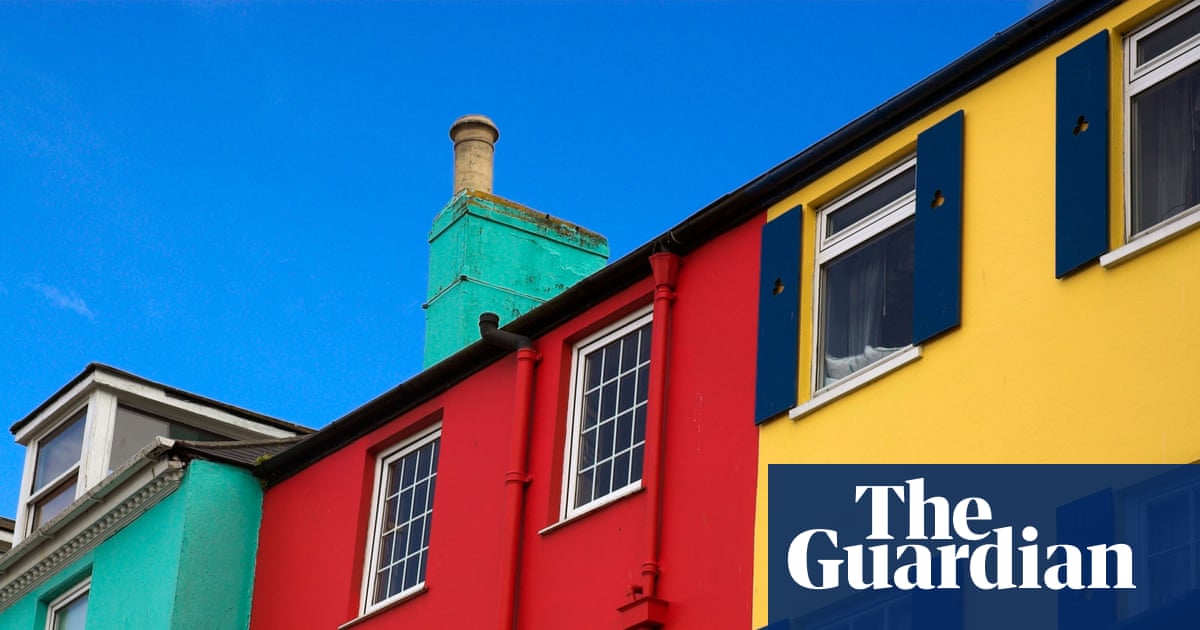
- Opposition parties rejected emergency housing measures that included eviction bans and rental regulations, arguing for construction-focused solutions instead.
- Public anger over high rents and precarious tenancies has sparked massive protests across Spain, including a large encampment in Madrid.
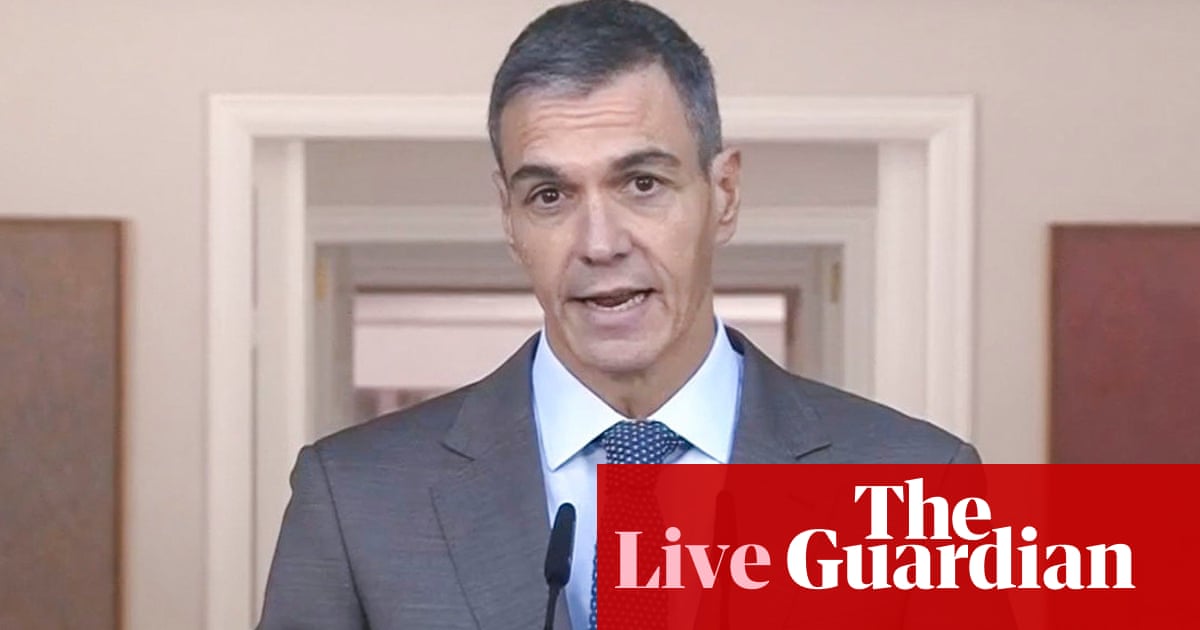
Prime Minister Pedro Sánchez has announced a snap general election to be held on November 29, a move that accelerates the democratic calendar by nearly a year. The decision follows the defeat of emergency legislation designed to address Spain’s severe housing crisis, which was voted down by a coalition of rightwing and pro-independence parties in Congress. Sánchez framed the early vote as a necessary step to allow citizens to determine the country’s direction during a period marked by global complexity, climate emergencies, and rapid technological shifts.
The immediate trigger for the election call was the rejection of two decrees aimed at stabilizing the rental market. These measures included a ban on evictions until 2030 and new regulations governing temporary lettings and room rentals. The legislation failed to secure passage after being opposed by the conservative People’s Party, the far-right Vox party, and the Catalan pro-independence group Junts. The opposition argued that increasing construction output, rather than imposing regulatory controls, was the more effective strategy for resolving the shortage of affordable housing.
Sánchez’s minority government has faced persistent legislative hurdles since his return to power in July 2023. His administration relies on conditional support from Catalan separatist parties, a arrangement secured through promises of amnesty for those involved in the failed 2017 independence bid. This fragile coalition has struggled to pass basic legislation, including the national budget, which has remained unapproved since 2023. The Junts party, which previously offered backing, withdrew support when it felt its demands were not met, particularly regarding the emergency housing measures.
Public frustration with the housing market reached a boiling point in late September, catalyzed by the eviction of an elderly woman from her Madrid home after she could not afford a substantial rent increase. This incident ignited widespread demonstrations across the country, with tens of thousands gathering in streets and squares. A large tent camp emerged in Madrid’s Puerta del Sol, echoing the social movements of 2011. Authorities reported that approximately 70,000 people participated in protests in Madrid alone on a recent Saturday, while organizers claimed figures as high as half a million nationwide.
Beyond the housing crisis, Sánchez’s government contends with other significant challenges. The administration has faced intense criticism for its management of the migrant situation in Ceuta, Spain’s North African enclave, where roughly 70,000 individuals crossed from Morocco into the territory within a 48-hour period over the summer. Additionally, the prime minister and his inner circle have been embroiled in corruption allegations, further eroding public confidence. These compounding issues have created a volatile political environment that Sánchez appears to view as unsustainable without a fresh mandate.
In his televised address, Sánchez defended his government’s record on social justice and humanitarian issues while acknowledging past mistakes. He positioned the upcoming election as a choice between progressive governance and a rightwing alternative that he warned would roll back civil liberties and environmental protections. The prime minister emphasized the importance of maintaining Spain’s openness and social equity in an era of global tension and transformation, urging voters to consider the long-term implications of their choices.
Opposition leaders welcomed the announcement of the early vote. Alberto Núñez Feijóo, leader of the People’s Party, stated that the election would finally allow the Spanish people to make a decisive choice, framing it as an opportunity to defeat Sánchez’s administration. Santiago Abascal, head of Vox, similarly praised the decision, suggesting it would enable Spain to define its national identity. Polls currently indicate that the People’s Party holds a significant lead over Sánchez’s Socialist Workers’ Party, although support for Vox continues to grow.
The political landscape remains uncertain as the campaign period begins. While Sánchez seeks to consolidate support around his progressive agenda and highlight the risks of rightwing governance, opposition parties aim to capitalize on public dissatisfaction with economic conditions and government instability. The outcome of the November election will likely determine whether Sánchez can secure a stronger parliamentary position or if power will shift to the right, potentially altering Spain’s domestic policies and its role in European affairs.
As the country prepares for the vote, the focus remains on how voters will weigh the immediate housing crisis against broader political ideologies. The failure of the emergency decrees underscores the difficulty of implementing rapid policy changes in a fragmented parliament. With protests continuing and public sentiment highly charged, the coming weeks will test the resilience of Sánchez’s coalition and the appeal of his opponents’ alternatives.
The snap election represents a pivotal moment for Spanish democracy, offering a chance to resolve the legislative gridlock that has characterized recent years. Whether through renewed support for the current government or a shift in power, the November vote promises to reshape the political dynamics in Madrid. The stakes are high, with implications not only for domestic stability but also for Spain’s ability to address pressing social and economic challenges in an increasingly complex global context.
Sources behind this briefing
Go to the original reporting
- The Guardian World↗Spain’s Sánchez calls snap election amid national housing crisis – Europe live
- The Guardian US↗Spain’s PM Pedro Sánchez calls snap election after housing law fails to pass