The short version
- At least 68 people died and dozens were injured when a RENFE train collided with a stationary IRYO train in Toledo province.
- The transport minister attributed the incident to an inexplicable command center order that allowed movement despite active stop signals.
- This event follows another deadly high-speed rail collision earlier this year, challenging the safety record of Spain's modern network.
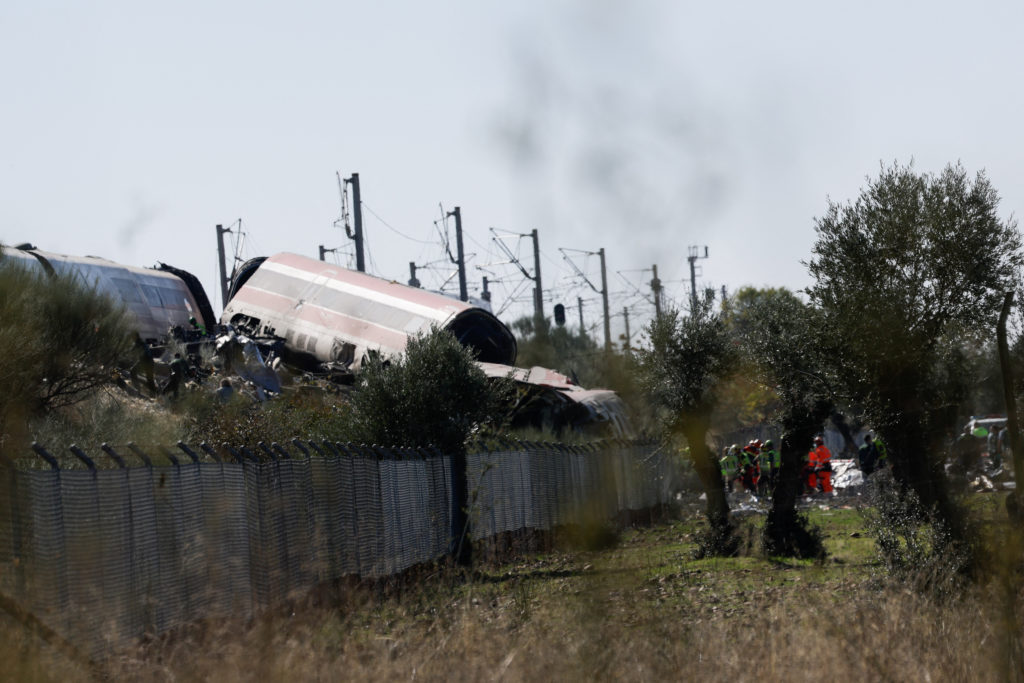
A catastrophic collision between two high-speed trains in central Spain has resulted in at least 68 deaths and numerous injuries, marking a grim milestone for the country’s rail system. The accident occurred on Wednesday morning near the town of Urda in the province of Toledo, where a state-owned RENFE train struck the rear of a stationary private carrier operated by IRYO. Regional authorities confirmed the death toll while rescue teams continued to search through mangled carriages for survivors and victims. Another 58 individuals required hospital treatment following the impact, which shredded several cars and scattered debris across a rural landscape dominated by olive fields.
The crash represents the second fatal incident involving high-speed rail in Spain this year, shattering the long-standing safety record of the network that opened in 1992. Until recently, the dedicated high-speed lines had been a source of national pride with no recorded fatalities. The recurrence of such a severe accident within a twelve-month period has intensified scrutiny on operational procedures and safety mechanisms. Both trains were traveling from Madrid toward Seville in southwestern Spain when the incident unfolded, carrying hundreds of passengers between the two major cities.
Spanish Transport Minister Óscar Puente described the sequence of events leading to the crash as stemming from a critical failure in command decisions rather than driver error. He stated that a security system malfunction caused all trains on a 63-kilometer stretch to halt at approximately 8:30 a.m. Despite active stop signals remaining in place, central command issued an order for the RENFE train to resume travel without speed restrictions. Puente characterized this directive as inexplicable, noting that the train should not have been allowed to move or should have proceeded at reduced speeds given the unresolved safety conditions.
The RENFE train reportedly accelerated to potentially 200 kilometers per hour before colliding with the stopped IRYO carrier at 8:53 a.m. The impact was severe enough to knock two cars off the tracks and tear one carriage into fragments. Passengers described a sudden deceleration followed by a violent jolt that threw people from their seats and sent personal belongings flying. One traveler recounted seeing body parts and blood-soaked survivors trapped within the wreckage, while others attempted to escape through windows as emergency responders arrived on the scene.
Local residents played an immediate role in the rescue efforts before professional emergency services could fully deploy. David Gómez, a construction worker nearby, described cutting through fences to access the crash site with colleagues who used first-aid kits to treat injured passengers. Civil protection authorities coordinated with local officials to prepare facilities for receiving victims, including converting a sports pavilion into a temporary medical reception area. Military emergency brigades joined firefighters and police in managing the chaotic scene, while ambulances and helicopters transported the wounded to various hospitals in the region.
The human toll of the accident is still being assessed as investigators work through the debris. Health Minister Mónica García acknowledged the severity of the high-speed impact, stating that a tragedy was expected given the nature of the collision. Emergency workers focused their initial efforts on extracting survivors and recovering bodies from the two most damaged carriages. Uninjured passengers were evacuated via bus, while those requiring medical attention were distributed across multiple healthcare facilities to manage the influx of casualties.
Both rail operators have responded to the crisis by activating security protocols and cooperating with authorities. IRYO, an Italian-owned company, issued a statement confirming its engagement with investigators. RENFE, the state-owned operator, faced intense public scrutiny as details emerged about the command center’s role in the incident. Prime Minister Pedro Sánchez canceled his scheduled activities to focus on the disaster, expressing condolences and emphasizing the government’s commitment to understanding what went wrong.
Rail service between Madrid, Ciudad Real, and Andalusia was suspended following the crash, disrupting travel across a significant portion of the country’s high-speed network. Investigators are now examining data to determine the exact speed of the RENFE train at the moment of impact and to analyze how the command center issued conflicting orders despite known system failures. The findings will likely influence future safety regulations and operational guidelines for Spain’s rail infrastructure, which has long been touted as a model of modern engineering.
The incident has reignited debates about the reliability of automated safety systems and human oversight in high-speed rail operations. While Puente absolved train engineers of blame, pointing instead to systemic command failures, questions remain about how such an error could occur without immediate intervention. The emotional impact on communities near the crash site is profound, with local leaders assisting in relief efforts while grappling with the sudden loss of life. As recovery continues, the focus shifts from rescue to accountability and prevention.
This tragedy underscores the vulnerabilities inherent in complex transportation networks, even those considered advanced and safe. The combination of technical failure and procedural missteps led to a devastating outcome that has shocked the nation. Future investigations will need to address not only the immediate causes but also broader issues of risk management and emergency response coordination. For now, Spain mourns the victims while seeking answers to prevent similar disasters from occurring again.
Sources behind this briefing
Go to the original reporting
- PBS NewsHour↗Dozens dead in Spain after high-speed train slams into another stopped on tracks