The short version
- The Spanish government has called for an early general election following the failure of emergency housing legislation due to opposition from rightwing parties.
- A large-scale protest encampment in Madrid, sparked by the eviction of an elderly woman, continues to draw public support and demand systemic housing reform.
- Polling suggests a potential shift toward a rightwing coalition, creating uncertainty for the ruling Socialist party despite the current momentum on housing issues.
Spain is entering an unexpected electoral cycle after Prime Minister Pedro Sánchez announced a snap general election. The decision follows a political stalemate in which rightwing parties blocked emergency legislation designed to address the country’s deepening housing crisis. This move brings forward a vote that was not constitutionally required until August 2027, fundamentally altering the political landscape and placing immediate pressure on all major parties to define their positions on one of the nation’s most pressing social issues.
The catalyst for this political shift is a wave of public outrage centered on housing affordability and tenant rights. The protests gained national prominence after the forced eviction of Maricarmen Abascal, an 87-year-old wheelchair user who had lived in her Madrid home for more than seven decades. She was removed from her residence on a stretcher after an investment firm reportedly demanded a 230% rent increase. Although the firm later stated she could return without paying the hike, the incident ignited widespread anger and mobilized citizens across the country.
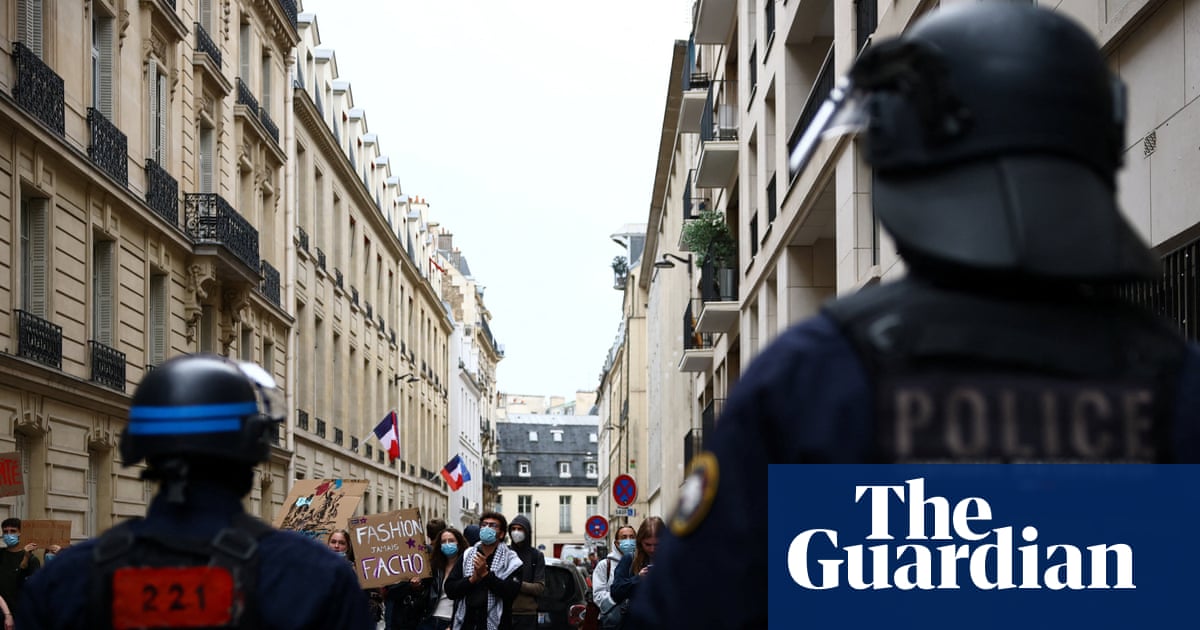
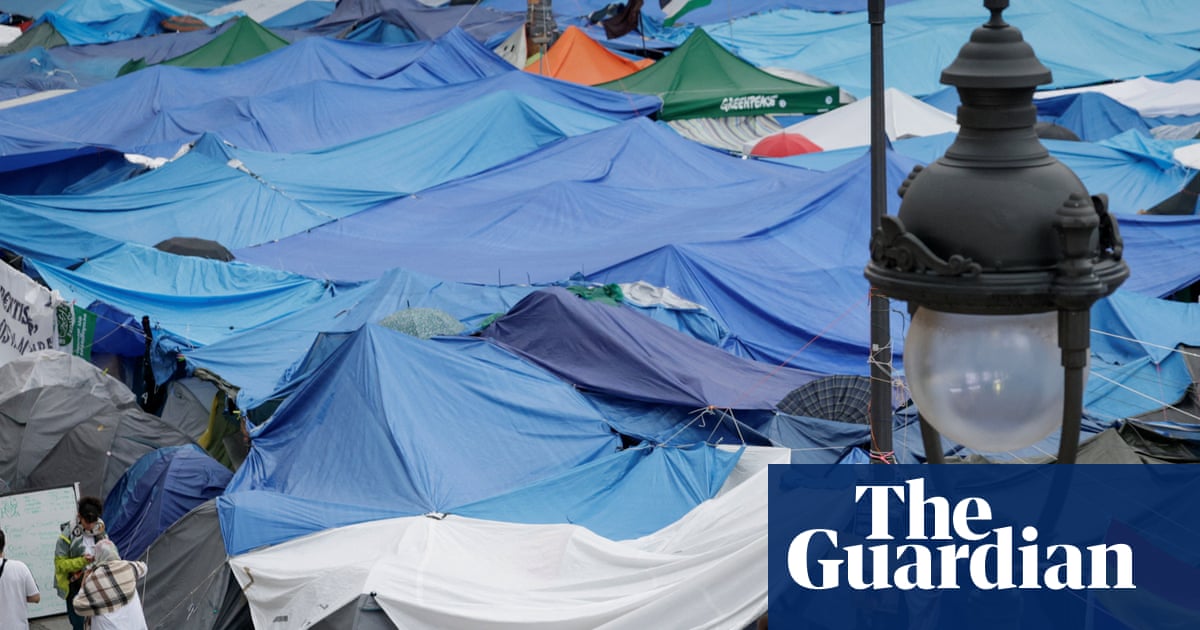
In response to these events, activists have established a large encampment in Madrid’s Puerta del Sol square. The site now contains more than 1,200 tents, organized with named streets, urban planning structures, and surveillance systems. Participants describe the camp as a functional community built within a week, aiming to keep housing at the forefront of public discourse. Social media documentation of daily life at the encampment has attracted significant attention, helping to sustain media coverage and public interest in the movement’s demands.
Protesters argue that the current political response has been insufficient. Activists from groups such as the Madrid Tenants’ Union and the Housing Union of Carabanchel contend that while the government has acknowledged the crisis, it has not taken decisive action against speculative investment firms and short-term rental markets. They view the encampment as a moral obligation, citing the Spanish constitution’s recognition of the right to decent and adequate housing. The demonstrators aim to translate their visible presence into concrete policy changes before the election concludes.
The timing of the election presents significant risks and opportunities for Prime Minister Sánchez. Polling data indicates that the most likely outcome is a rightwing coalition between the People’s Party and the far-right Vox party, which has historically opposed many of the Socialist government’s policies. However, the intense public focus on housing may provide Sánchez with a chance to retain power by aligning his platform with the demands of the protesting majority. The gamble relies on whether the ruling coalition can capitalize on the current momentum before political fatigue sets in.
Support for the encampment appears broad across demographic lines. Volunteers and visitors frequently bring food, water, and supplies to the site, expressing solidarity with the protesters’ cause. Organizers report that the majority of interactions are positive, with people of various ages stopping to offer encouragement. This grassroots support underscores the widespread nature of housing frustration in Spain, where rents have surged by 80% over the past decade and overall housing costs have risen by 63%. The economic pressure has intensified competition between local residents, tourists, and investment funds.
Looking ahead, activists are planning to maintain pressure through a potential general strike in November. They emphasize the need to organize working-class interests systematically rather than allowing the protests to fade after the initial wave of attention. The coming weeks will be critical as political parties adjust their campaigns to address housing concerns. Whether the election results in a change of government or a continuation of the current administration, the issue of housing affordability is now central to Spain’s political debate.
The situation remains fluid as voters prepare for the early ballot. While the immediate trigger was a specific eviction case, the underlying issues involve structural problems in the Spanish housing market. The interplay between public protest, legislative failure, and electoral strategy will determine the next phase of governance. Observers note that the ability of any administration to address these systemic challenges will likely define its legitimacy in the eyes of a frustrated electorate.
Sources behind this briefing
Go to the original reporting
- The Guardian World↗‘Now is the moment’: housing activists at Madrid encampment pin wary hopes on Spain’s early election