The short version
- An Army study from October 2024 found that shock gloves caused intense pain and immediate compliance in role-playing subjects.
- ICE signed a $16.7 million contract for 6,000 pairs of the devices in August, despite awareness of the military findings.
- Critics argue the agency is deploying tools designed to inflict pain without sufficient evidence of their safety for detainees.
Immigration and Customs Enforcement leaders were aware of a military study detailing the intense pain caused by electric-shock gloves before signing a contract to purchase thousands of the devices. The previously unreleased assessment, conducted at Fort Leavenworth in Kansas during October 2024, found that the technology induced immediate compliance among participants who played the role of combative prisoners. According to records obtained by the watchdog group American Oversight and shared with the Associated Press, agency officials reviewed these findings prior to finalizing a $16.7 million deal in August for 6,000 pairs of the equipment.
The study evaluated the effectiveness of the devices, branded as G.L.O.V.E. or Generated Low Output Voltage Emitter, in scenarios involving forced cell extractions and disturbances. Participants, including several large-statured men, stopped resisting within seconds of officers applying the gloves to their skin. The report noted that subjects experienced fatigue, soreness, and excessive apprehensiveness regarding future exposures. Authors of the study observed that merely seeing the device was sufficient to compel compliance, suggesting a profound psychological impact alongside the physical sensation.
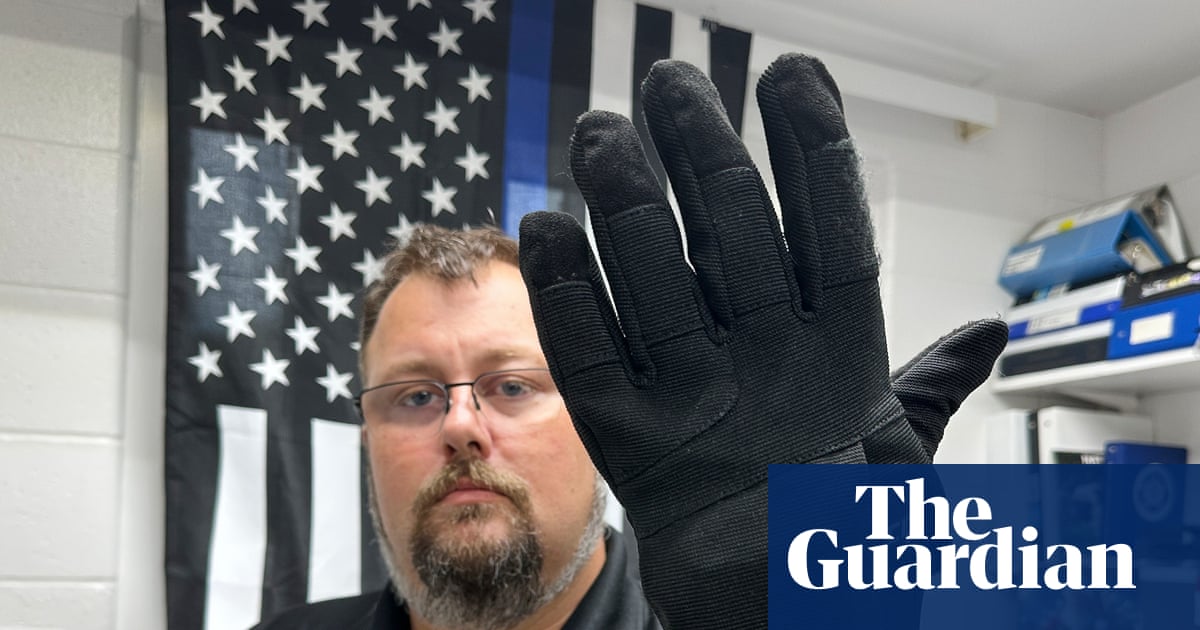
Manufactured by Compliant Technologies, a Lexington, Kentucky-based company owned by military veterans, the gloves operate differently than standard Tasers. Rather than causing neuromuscular incapacitation that freezes the body, the devices overload peripheral nerve endings in the skin to generate pain. The study indicated that environmental factors such as moisture or oil on the skin could intensify the shock, with one participant reporting discomfort lasting thirty minutes after exposure. This mechanism relies on inflicting significant sensory distress to achieve behavioral control.
ICE has characterized the gloves as distraction and de-escalation tools designed to enhance officer safety during arrests and deportations. Agency representatives argue that the rapid compliance induced by the devices reduces the likelihood of physical altercations, thereby preventing injuries to both guards and detainees. The military assessment supported this view in specific contexts, noting that the gloves increased efficiency during cell extractions by shortening the duration of physical encounters and reducing guard exhaustion. The study also suggested the technology boosted confidence among smaller or less trained team members.
Despite these operational claims, critics have raised alarms about the deployment of a tool explicitly designed to cause pain without comprehensive safety data for its intended civilian targets. Chioma Chukwu, executive director of American Oversight, stated that the military assessment demonstrates the capacity for intense pain but fails to establish safety for those subjected to it. This concern arises amid a broader hardline anti-immigration crackdown under the current administration, which has seen record numbers of arrests and detentions.
The controversy is compounded by previous incidents involving similar technology in local correctional facilities. In Kentucky, a 43-year-old man died after allegedly being shocked forty times with a combination of shock gloves and a Taser while in county jail custody. His widow is currently suing authorities over the incident. These cases have fueled arguments that expanding access to such devices could lead to further intimidation and brutality, particularly as ICE faces ongoing scrutiny for excessive force resulting in deaths and injuries nationwide.
The procurement process continues despite these concerns, with the contract requiring delivery of the gloves within six months. Jeff Niklaus, the owner of Compliant Technologies, declined to make himself available for an interview regarding the sale. Meanwhile, White House border czar Tom Homan indicated that field deployment could be delayed as ICE works through necessary training and policy adjustments. The agency released the study and related documents in response to a Freedom of Information Act lawsuit filed by American Oversight seeking records on use-of-force protocols.
The timing of the military exercise, which occurred during the final months of the Biden administration, contrasts with the current administration's accelerated acquisition strategy. While the study found that the gloves did not significantly change the time required to control inmates during escorts, they did reduce the physical effort needed from officers. This distinction highlights a shift in enforcement priorities toward minimizing officer exertion and maximizing immediate detainee compliance, even as questions about long-term health effects and ethical implications remain unresolved.
As ICE moves forward with integration plans, the debate centers on whether the efficiency gains justify the potential for harm. The agency maintains that the devices offer a safer alternative to other non-lethal options, potentially reducing the need for lethal force in volatile situations. However, advocates argue that the lack of rigorous safety testing for diverse populations, including those with medical conditions or heightened sensitivity, poses unacceptable risks. The outcome of ongoing legal challenges and internal policy reviews will likely determine how extensively these tools are utilized in immigration enforcement operations.
The situation underscores broader tensions regarding the militarization of border enforcement and the use of coercive technologies against detained individuals. While ICE emphasizes operational safety and de-escalation, critics point to the visceral nature of pain-based compliance as a step toward increased brutality. The release of the Fort Leavenworth study provides concrete evidence of the devices' impact, offering a factual basis for continued scrutiny of ICE's procurement decisions and use-of-force standards in an era of heightened immigration enforcement.
Sources behind this briefing
Go to the original reporting
- The Guardian World↗Electric-shock gloves ICE plans to use inflicted intense pain in army study