The short version
- SpaceX will construct a 125,000-acre launch complex in Louisiana, its largest facility to date, with construction slated to begin next year.
- The project is valued at approximately $100 billion and aims to support thousands of Starship flights annually for missions to orbit, the Moon, and Mars.
- Economic impact estimates include over 3,000 direct jobs with wages significantly above regional averages, alongside more than 8,100 indirect positions.
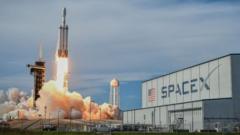
SpaceX has announced plans to construct its largest launch facility to date in Louisiana, a massive infrastructure project valued at approximately $100 billion. The site, designated as Starbase Louisiana, will occupy 125,000 acres and is scheduled to begin construction next year. This expansion marks a significant shift for the company, which currently operates primary facilities in Texas and Florida. The new base is intended to dramatically increase launch frequency, supporting thousands of Starship missions annually destined for Earth orbit, the Moon, Mars, and other deep-space targets.
The timing of this announcement coincides with SpaceX’s recent transition to a publicly traded company. Shares began trading on the Nasdaq in June during what was described as the largest stock market debut in history. Despite the initial surge, the stock has experienced volatility, dropping more than 30% from its post-debut highs. However, shares remain above the original $135 offer price. Investors are now scrutinizing the company’s ability to balance aggressive expansion plans with profitability expectations.
Economic officials in Louisiana have highlighted the substantial financial impact of the project on the region. The state’s Economic Development agency estimates that the facility will create more than 3,000 direct jobs. These positions are projected to offer average wages 192% higher than the current regional average salary. Additionally, the agency anticipates the creation of more than 8,100 indirect jobs through supply chain and supporting industries. The project is expected to establish Louisiana as a central hub for next-generation aerospace infrastructure.
The naming convention for the new site mirrors SpaceX’s existing operations in Texas. In 2025, residents in Cameron County approved incorporating a specific area of land into a city named Starbase, where the company already conducts testing and development. The Louisiana facility will share this name, reinforcing the brand identity across the company’s growing network of launch sites. This continuity suggests a strategic effort to standardize operations and branding as the company scales its physical footprint.
SpaceX has set an ambitious timeline for the new facility, aiming to launch its first Starship flight from the Louisiana base in 2029. This schedule implies a rapid construction phase given the project’s scale. The facility is designed to handle high-frequency launches, a capability that distinguishes it from traditional spaceports. By increasing launch capacity, SpaceX intends to expand access to space for various missions, including commercial payloads and government contracts.
The expansion comes amid broader strategic moves by Elon Musk and his affiliated companies. In August, SpaceX and Tesla announced plans to build a $16.8 billion artificial intelligence chip manufacturing complex in Texas, known as the Terafab. This facility aims to address growing demands for computing power needed for AI development and robotics technology. The simultaneous pursuit of aerospace infrastructure and advanced computing hardware underscores Musk’s integrated approach to technological advancement.
Musk has outlined long-term goals that extend beyond immediate commercial success. These include reaching Mars, developing sophisticated AI models, and launching data centers into space. The Louisiana facility is a critical component in achieving these objectives by providing the necessary launch capacity. However, the sheer scale of the investment raises questions about resource allocation and execution risk, particularly as the company navigates its new status as a public entity.
The project represents a significant commitment to the southern United States as a center for aerospace innovation. By expanding beyond Texas and Florida, SpaceX is diversifying its operational geography. This move may also reflect strategic considerations related to launch windows, regulatory environments, and logistical efficiency. As construction begins next year, the impact on local communities and the broader aerospace industry will likely become more apparent.
Investor confidence will remain a key factor in the project’s success. While the stock has shown resilience since its debut, the volatility highlights market uncertainty regarding SpaceX’s growth trajectory. The company must demonstrate that its expansion plans are financially sustainable while delivering on technological promises. The Louisiana facility serves as both a testament to SpaceX’s ambitions and a test of its ability to manage large-scale infrastructure projects.
Looking ahead, the completion of Starbase Louisiana could reshape the landscape of commercial spaceflight. With the capacity for thousands of annual launches, the facility may accelerate the pace of space exploration and commercialization. However, challenges related to construction timelines, environmental impact, and workforce development will need to be addressed. The next few years will be critical in determining whether SpaceX can meet its stated goals while maintaining financial stability.
Sources behind this briefing
Go to the original reporting
- BBC Science & Environment↗Musk's SpaceX to build $100bn launch facility in Louisiana

