The short version
- Solar generation accounted for nearly one-third of Utah's electricity in May, eclipsing natural gas and coal for the first time.
- New utility-scale projects, including facilities serving major data centers, have significantly expanded the state's renewable capacity.
- The shift reflects a long-term decline in coal usage and a growing economic role for solar jobs compared to fossil fuel sectors.
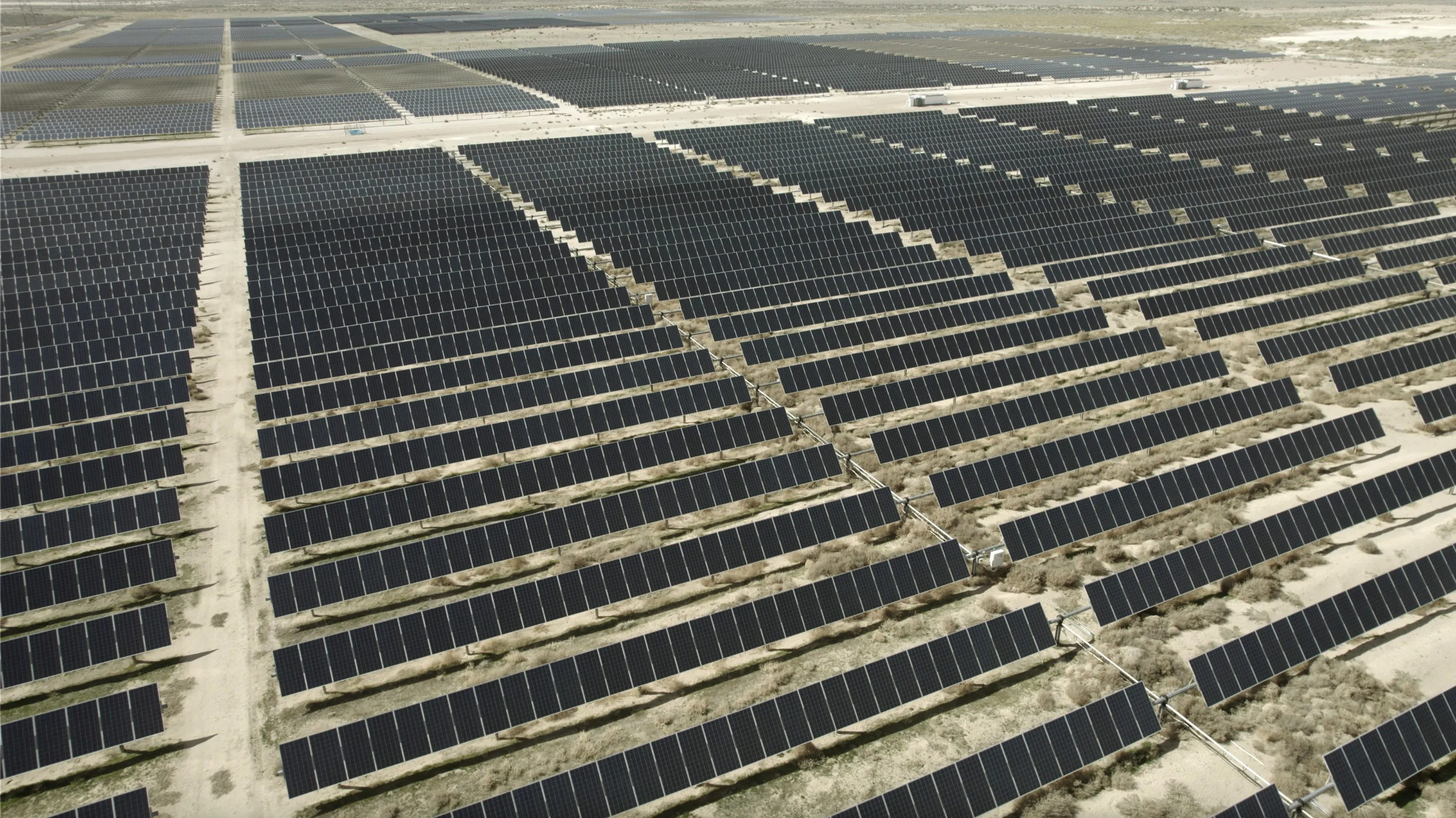
Utah’s electricity grid experienced a historic milestone in May 2026, when solar power generation exceeded output from any other single energy source. According to data analyzed by the global energy think tank Ember, photovoltaic systems produced nearly one terawatt-hour of electricity that month. This volume represented approximately 33 percent of the state’s total power generation, surpassing natural gas at 32 percent and coal at 28 percent. Wind energy contributed a smaller share, accounting for just 2 percent of the mix during this period.
This development marks the culmination of a multi-year transition away from fossil fuels in a state that once relied heavily on coal. In 2017, coal generated between 64 and 78 percent of Utah’s electricity depending on the month. By 2023, coal’s share had dropped below half of the total generation during certain seasons. The recent data indicates that coal now accounts for less than a third of the state’s power portfolio in spring months, signaling a structural change in how Utah meets its energy demands.
The surge in solar output is largely attributed to several major projects coming online in recent years. The Green River Energy Center, a 2,500-acre facility in central Utah, began operations this spring with 400 megawatts of solar capacity and an equal amount of battery storage. Additionally, the Faraday Solar project in Utah County started supplying up to 685 megawatts last fall, primarily to support a Meta data center. The Elektron Solar Project also contributed by delivering power to Salt Lake City, Park City, and Summit County starting in June 2024.
Energy experts view this shift as beneficial for both environmental health and economic stability. Dan Schroeder, a physics professor at Weber State University who monitors energy data, noted that the trend improves air quality and supports climate goals while boosting local employment. The solar industry currently supports nearly 8,000 jobs in Utah, according to the Solar Energy Industries Association. The state is home to 132 solar companies, including developers and manufacturers, with investors committing $1.5 billion to the sector in 2025 alone.
In contrast, employment in traditional fossil fuel sectors remains significantly lower. Oil and gas extraction accounted for 1,291 jobs in 2025, while coal mining employed 1,059 people in 2023, the most recent year with available data. Another 1,905 workers were employed in coal and petroleum product manufacturing last year. The disparity highlights a growing economic divergence between renewable energy development and legacy fuel industries within the state.
While solar led in May, electricity generation remains variable and complex. Solar output will not consistently represent a third of Utah’s portfolio every month due to seasonal and weather-dependent factors. However, Logan Mitchell, a climate scientist with Utah Clean Energy, suggested that such milestones will become more frequent. He pointed to California, where solar generated nearly 51 percent of electricity in May, as evidence that Utah has substantial room for further growth given its sunny, dry climate.
Wind power is also playing an increasingly significant role in the region’s energy landscape. Data from the U.S. Energy Information Administration shows that wind generation surpassed all other sources in PacifiCorp’s portfolio for Utah, Wyoming, and Idaho during December and January. This seasonal complementarity means wind peaks in winter while solar dominates in summer. Jona Whitesides, a spokesperson for Rocky Mountain Power, noted that new turbine investments, such as the 400-megawatt Rock Creek II facility added last fall, have contributed to this trend.
The broader national context supports these regional shifts. The U.S. Energy Information Administration projects that solar will account for about 51 percent of new utility-scale electricity generation added to the grid in 2026. The country is expected to add 43.4 gigawatts of solar capacity, 24.3 gigawatts of battery storage, and 11.8 gigawatts of wind power this year. In comparison, only 6.3 gigawatts of new natural gas capacity and zero new coal capacity are anticipated, underscoring a nationwide acceleration in renewable energy adoption.
Some of Utah’s generated electricity is exported to other states, while specific solar farms serve individual large customers like Meta. The combination of wind and solar growth suggests a fundamental restructuring of the regional grid. As Mitchell observed, the synergy between these two renewable sources indicates that the state may have reached a critical threshold in its energy transition, moving beyond incremental changes toward a sustained reliance on clean power.
Sources behind this briefing
Go to the original reporting
- Grist↗In a first, Utah got more power from solar than any other source