The short version
- States that voted for Donald Trump in the last presidential election accounted for approximately three-fourths of the nation's solar capacity additions in the second quarter of 2026.
- The surge is attributed to pro-business regulatory environments, abundant land availability, and rising electricity demand from data centers and manufacturing sectors in these regions.
- Federal tax credits for new solar projects expired in July 2026, creating uncertainty for future growth, particularly in states with less optimal sunlight or weaker state-level renewable mandates.
The landscape of American renewable energy development is shifting significantly toward states that supported Donald Trump in the most recent presidential election. According to a new report from the Solar Energy Industries Association, these regions dominated national solar construction during the first half of 2026. Eight of the ten states with the highest levels of solar building activity were carried by Trump voters. This trend highlights a divergence between federal political rhetoric and on-the-ground energy infrastructure trends.
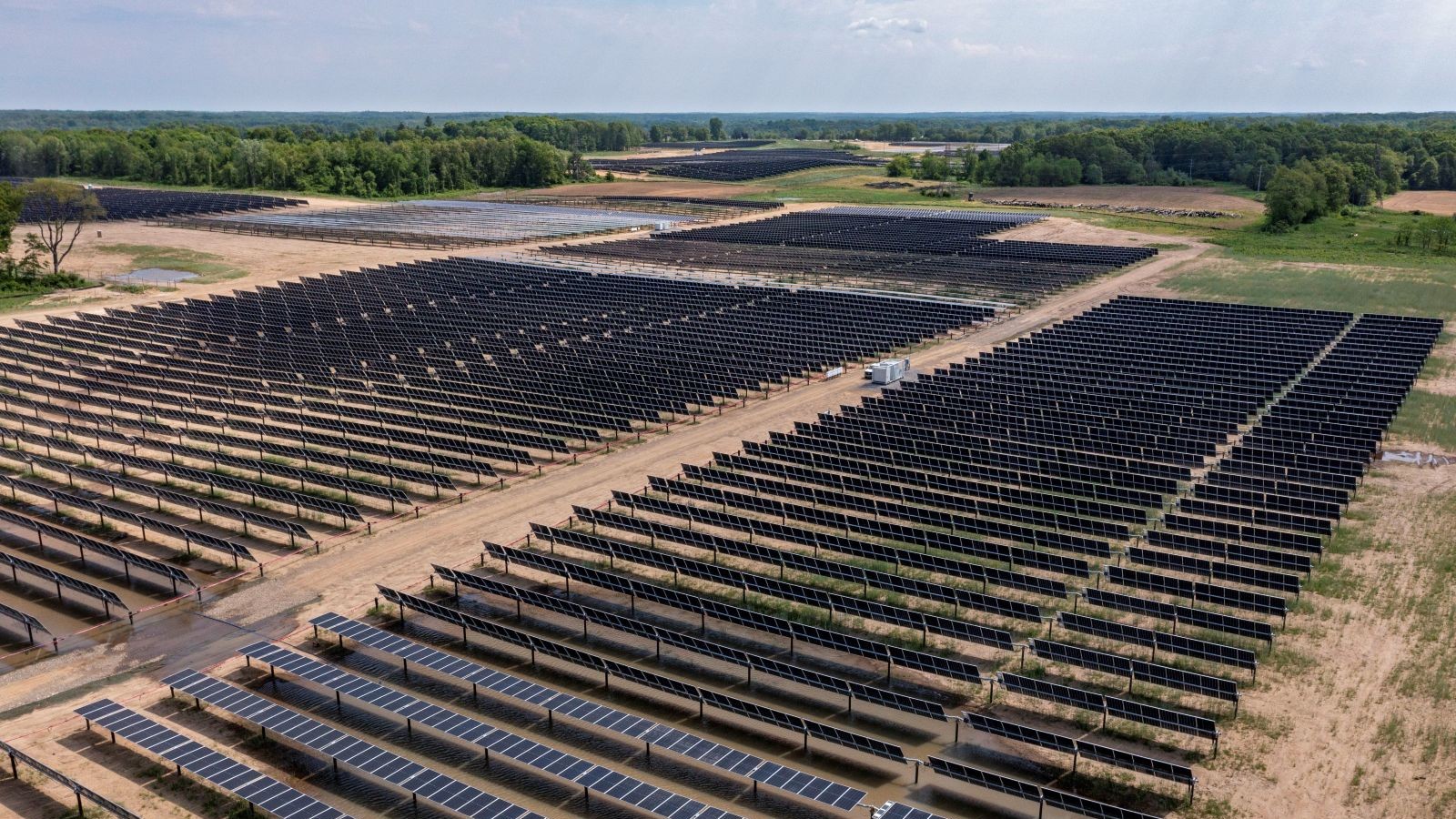
The scale of this expansion is substantial. The United States added more than eleven gigawatts of solar power capacity in the second quarter of 2026 alone. This figure represents a forty-five percent increase compared to the same period in 2025. States that voted for Trump contributed close to seventy-five percent of this growth. Texas and Florida, two of the largest states by population and consistent leaders in solar adoption, ranked first and third respectively in new installations.
Industry leaders attribute this surge to a combination of regulatory ease and economic demand. Tim Pawlenty, CEO of the Solar Energy Industries Association and a former Republican governor, noted that many red states possess a pro-build mentality. These regions often feature more available land and streamlined permitting processes for energy projects. Such conditions attract electricity-intensive industries, including manufacturing facilities and data centers, which require reliable and cost-effective power sources.
The economic drivers in these states are distinct from climate-focused motivations. While some policymakers may oppose solar energy for environmental reasons, the business case remains strong. The influx of industrial demand has created a market for quickly constructed, inexpensive energy solutions. Solar farms offer a viable option to meet this load, particularly in Sun Belt states like Arizona, Indiana, and Ohio, which have remained in the top ten for solar construction since 2024.
However, the sustainability of this growth faces headwinds due to changes in federal policy. Congress passed the One Big Beautiful Bill Act last year, which ended many federal tax credits for solar investments earlier than previously anticipated. Credits for most new solar farms expired on July 4, 2026. This deadline prompted a rush of construction activity in the second quarter as developers sought to secure incentives before they vanished.
The expiration of these credits introduces uncertainty for future projects, particularly for rooftop solar installations. Industry reports indicate that residential solar adoption has already begun to decline in 2026. Without federal financial support, the economics of solar become more dependent on local conditions. States with abundant sunlight may continue to see profitable development, while those with less optimal resources could struggle to maintain momentum.
Michigan illustrates this regional variability. Although it voted for Trump in 2024, the state has seen a rapid rise in solar construction, climbing from twenty-third place in 2024 to fourth in the first half of 2026. This growth is partly driven by state-level clean energy goals that mandate utilities generate fifty percent of their power from renewables by 2030. Additionally, demand from data centers has bolstered the market.
Experts suggest that the long-term viability of solar in states like Michigan will depend on these state mandates and industrial demand rather than federal subsidies. Michael Craig, an associate professor at the University of Michigan, noted that solar resources vary significantly by location. In areas with strong sunlight, tax credits are less critical to project feasibility. Conversely, regions with weaker solar potential may see a slowdown if they cannot rely on financial incentives or strict renewable energy standards.
Looking ahead, the solar industry faces a complex regulatory environment. While federal permitting processes and continued power demand remain crucial for growth, the loss of tax credits marks a significant shift. The current boom in Republican-led states demonstrates that market forces and state-level policies can drive renewable energy adoption even amidst federal opposition. Whether this trend will persist without financial incentives remains an open question as the industry adjusts to the new policy landscape.
Sources behind this briefing
Go to the original reporting
- Grist↗More than 70% of new solar is being built in states that voted for Trump