The short version
- Heavy rain triggered a software bug in hybrid power units, causing multiple cars to stall during formation laps at the Malaysian Grand Prix.
- Drivers Max Verstappen and Lewis Hamilton mocked the incident, comparing the stalled vehicles to toy cars used in pre-race entertainment.
- The FIA implemented a temporary software patch after a 53-minute delay, but officials have launched a broader review of engine regulations.
Formula One faced significant operational challenges at the Malaysian Grand Prix when a technical malfunction halted proceedings before the race could begin. The event, held at the Sepang circuit to replace the cancelled Bahrain Grand Prix, was already delayed by heavy rainfall. As the field attempted two formation laps behind the safety car on the wet track, multiple vehicles experienced sudden power failures. The incident exposed vulnerabilities in the sport's current hybrid engine regulations, drawing immediate scrutiny from competitors and officials alike.
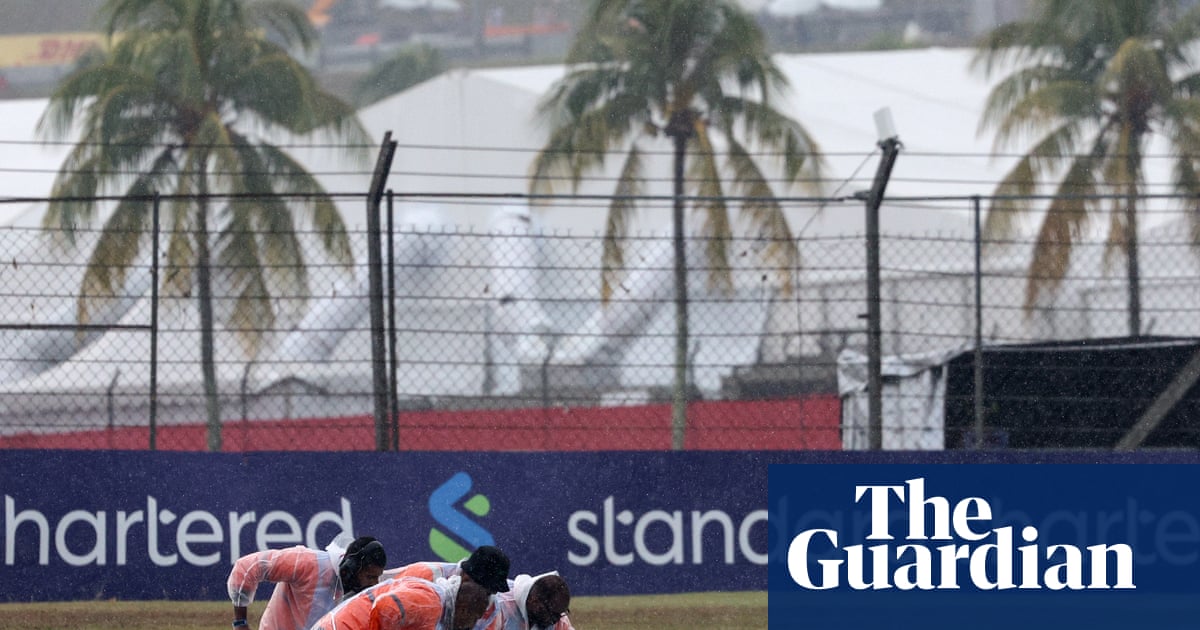
The disruption began as drivers navigated low-grip conditions at reduced speeds. Max Verstappen was the first to report an inability to accelerate, followed closely by Lewis Hamilton, who came to a complete stop. Hamilton required a forced reboot of his vehicle's systems to resume movement. Other competitors, including entries from Haas and Cadillac, also ground to a halt. The field fell into disarray, with cars losing their formation order, prompting officials to suspend the start entirely. The chaos underscored the fragility of the technology under specific environmental stressors.
Investigations revealed that the failure stemmed from an unanticipated software bug. The issue arose from a complex interaction between low engine speeds, poor traction, and the circuit layout, which overwhelmed the power delivery management systems. These engines, which utilize an almost equal split of electrical and combustion energy, rely heavily on software to regulate performance. In this scenario, the programming encountered parameters it could not process, leading to the widespread shutdowns. The FIA described the event as a glitch that required immediate intervention.
Officials spent 53 minutes developing and applying a software update to resolve the issue. The patch proved effective, allowing the race to proceed once conditions stabilized. Max Verstappen ultimately secured a dominant victory, marking his first win of the season. Lewis Hamilton recovered from a drop to seventeenth place to finish third. George Russell’s late retirement significantly impacted his championship prospects. Despite the entertaining racing that followed, the initial failure cast a long shadow over the event's execution.
Drivers responded to the incident with visible frustration and dark humor. Verstappen and Hamilton compared the stalled supercars to the Lego vehicles used in pre-race entertainment at Silverstone earlier in the year. Both drivers noted the absurdity of seeing high-performance machines reduced to stationary objects due to a coding error. Verstappen remarked on the confusion of looking in his mirrors to see other cars waiting, unsure if they were reacting to him or experiencing the same failure. The comparison highlighted the disconnect between the sport's technological ambitions and its operational reliability.
The FIA has announced a review involving teams and power unit manufacturers to address the underlying issues. However, critics argue that no quick fix is possible for regulations that many consider fundamentally flawed. Carlos Sainz questioned the strategic decisions made five years ago that led to this direction, suggesting that the current path was misconceived from the outset. The incident reinforced concerns among drivers about the level of control they have over their vehicles, particularly when software dictates performance parameters beyond their immediate influence.
Formula One leadership has previously defended the new format by citing fan engagement and entertainment value. Chief Executive Stefano Domenicali referenced a conversation with George Lucas to argue that new audiences are more interested in action than technical details. The organization believes the current product resonates with viewers who may not understand the complexities behind the scenes. However, the Sepang incident demonstrated that even casual observers can recognize when technology fails, potentially undermining the sport's image as the pinnacle of motor racing.
The broader implications of this event extend beyond a single race delay. Had the failure occurred during mid-race circulation rather than during formation laps, the consequences could have been more severe. The incident serves as a stark reminder of the risks associated with highly integrated hybrid systems. While the FIA and teams work to refine the regulations, the fundamental tension between technological innovation and competitive integrity remains unresolved. The review process will likely face pressure to balance performance enhancements with reliability standards.
As the season progresses, the focus will shift to whether similar issues arise in other conditions. The Malaysian Grand Prix highlighted the need for robust software testing in extreme weather scenarios. Drivers have expressed ongoing dissatisfaction with engine regulations that limit their ability to manage vehicle dynamics manually. The sport's governing bodies must address these concerns to maintain credibility among participants and fans. The outcome of the review will determine whether significant regulatory changes are implemented or if minor adjustments suffice.
Ultimately, the Sepang incident serves as a case study in the challenges of modern motorsport engineering. The reliance on complex software systems introduces new failure modes that were not present in previous eras. While the race itself provided competitive racing, the pre-race chaos overshadowed the sporting achievement. Formula One must reconcile its desire for technological advancement with the need for consistent and reliable operations. The lessons learned from this event will likely influence future regulatory decisions and technical developments within the sport.
Sources behind this briefing
Go to the original reporting
- The Guardian US↗F1 looks amateurish and incompetent after farcical scenes in Sepang | Giles Richards