The short version
- A chance social media image prompted experts to locate a previously unknown population of giant waterlilies in the Guainía region of Colombia.
- The newly identified species, named Victoria colombiana, is already considered critically endangered with an estimated wild population of just thirty to fifty plants.
- Conservation teams are working to secure official protection status and explore cultivation options to prevent the extinction of this ancient lineage.
A routine image shared on social media has triggered a significant botanical discovery in the Colombian Amazon, revealing a new species of giant waterlily that scientists say is already on the brink of extinction. The finding underscores how digital platforms can accelerate scientific inquiry while highlighting the fragility of biodiversity in remote regions. The plant, officially named Victoria colombiana, was confirmed as distinct from known species through analysis published in the journal Phytotaxa.
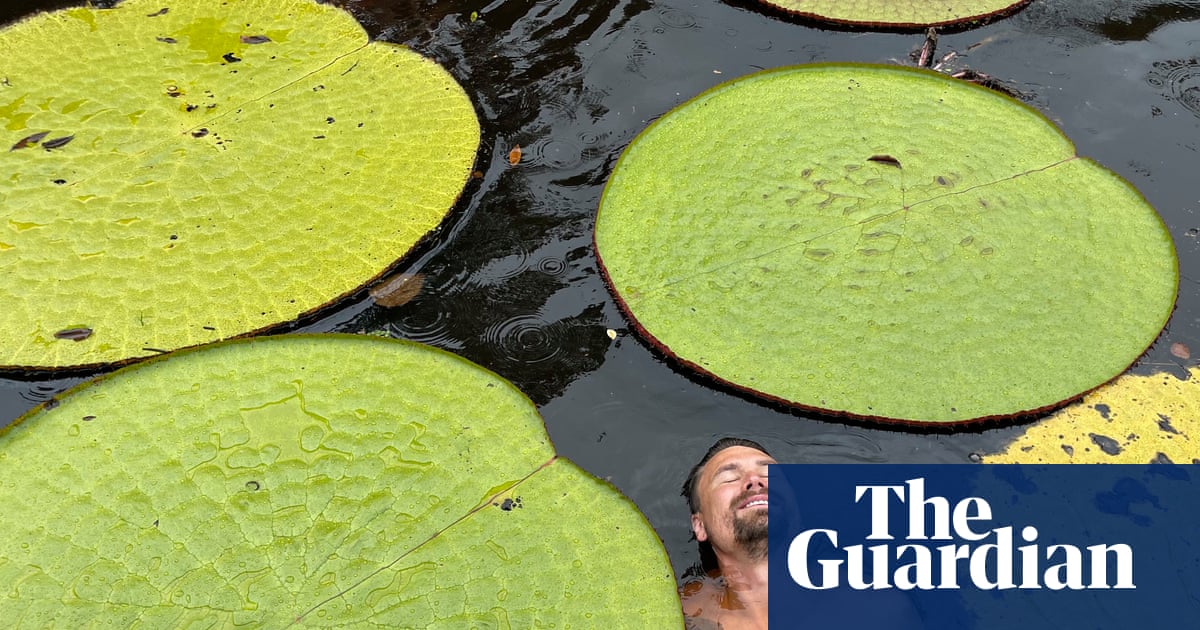
The chain of events began three years ago when Carlos Magdalena, a specialist at the Royal Botanic Gardens, Kew, encountered a photograph on Instagram. The image showed Jeremiah Harris, an American nursery owner, swimming among large aquatic plants in the Inírida River within Guainía department. Harris had initially misidentified the flora as Victoria amazonica, a common giant waterlily found elsewhere in South America. However, Magdalena recognized a discrepancy: the natural range of V. amazonica does not extend to this specific river system.
Suspecting the presence of an unknown variant, Magdalena contacted Harris to pinpoint the exact location. This initial digital exchange launched a multi-year effort involving satellite imagery analysis, permit acquisition, and fundraising. The process required navigating complex logistical challenges to verify the plant's existence in the field. It also demonstrated how horticultural expertise could bridge gaps left by traditional survey methods in inaccessible areas.
The verification expedition involved collaboration between Magdalena, researchers from the Bogotá Botanical Garden, and members of local indigenous reserves. The team spent five days navigating the flooded rainforest with limited success until their final hours. A local driver provided crucial guidance, leading them to a small lake deep within the jungle. They arrived under cover of darkness with only ten hours remaining before their scheduled departure.
Upon locating the population, the researchers collected samples necessary for formal taxonomic identification. The emotional weight of the discovery was noted by Magdalena, who described the moment as life-changing and fascinating. The plants themselves are part of an ancient lineage that predates the splitting of continents. These waterlilies are known for their massive leaves, which can span up to three meters and support significant weight, including small children.
Preliminary estimates suggest there are only between thirty and fifty individual Victoria colombiana plants remaining in the wild. This low number places the species in a critically endangered category even before formal assessment by the International Union for Conservation of Nature. Maarten Christenhusz, a plant taxonomist involved in the analysis, emphasized the rarity of discovering such a large and emblematic species today. He noted that its visibility from space serves as a stark reminder of how much remains unknown about Earth's biodiversity.
Current efforts focus on securing long-term conservation measures for the newly identified waterlily. Researchers are pursuing an official Red List designation to formalize its protected status. Additionally, plans are underway to establish a naturalized population in a more accessible lake within indigenous territory. This strategy aims to reduce pressure on the original site while ensuring genetic continuity.
Future steps include collecting seeds for cultivation in Bogotá and potentially at Kew Gardens. If successful, these horticultural efforts could provide a safeguard against total loss in the wild. The discovery highlights the intersection of traditional knowledge, modern technology, and scientific rigor. It also serves as an urgent call to protect remaining habitats before such unique species vanish entirely.
Sources behind this briefing
Go to the original reporting
- The Guardian US↗How a plant selfie in Colombian jungle led to ‘jaw dropping’ giant waterlily find