The short version
- Six journalists from the independent fact-checking outlet Matsadaash have been charged with terrorism offenses linked to the banned Muslim Brotherhood.
- Detainees and their legal representatives allege they were subjected to torture, forced confessions, and threats against family members while in custody.
- Egyptian authorities deny all claims of ill-treatment, stating forensic exams showed no injuries, as broader protests are organized for the upcoming weekend.
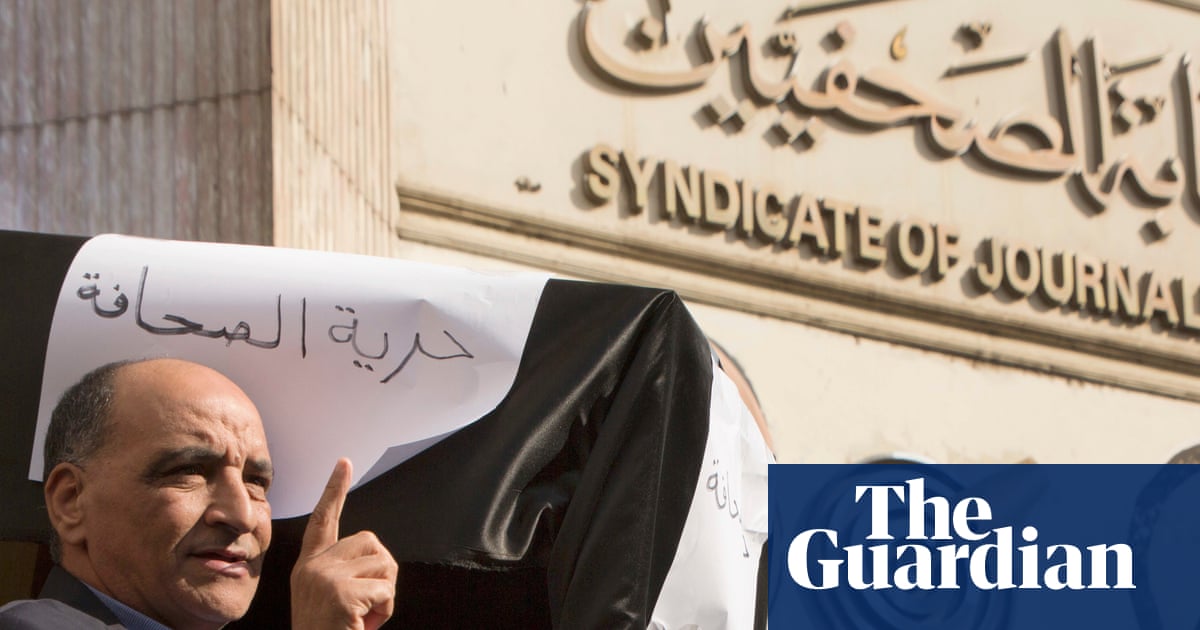
A significant escalation in tensions between Egyptian state authorities and independent media outlets is set to unfold this weekend, as journalists plan demonstrations in Cairo. The mobilization follows the arrest and subsequent charging of six reporters affiliated with Matsadaash, an investigative platform known for fact-checking and critical reporting. The planned protests represent a rare public display of solidarity within a profession that has faced increasing pressure, poor compensation, and job insecurity under the current administration.
The six individuals targeted by law enforcement are Abdallah Qadri, Mohamed Ashraf Abu Emeira, Mohamed Adel, Islam Barakat, Mohamed Mahmoud, and Omar Helal. They were apprehended in various locations, including their residences and public streets, by officers not wearing uniforms. Authorities initially detained them last week before formally lodging charges. One journalist was processed on Sunday, while the remaining five faced legal action late Wednesday. The accusations center on claims that the group operated without proper licensing and disseminated false information to support the Muslim Brotherhood, an organization designated as illegal in Egypt.
Serious allegations regarding the conditions of detention have emerged from the detainees and their legal counsel. Lawyers representing the journalists report that their clients were held blindfolded and handcuffed for extended periods. According to these accounts, the reporters endured physical beatings, electric shocks, and forced stripping. Furthermore, they claim to have been threatened with harm against their family members if they did not comply with authorities' demands.
A central point of contention involves the production of confessions. Legal representatives state that the journalists were compelled to read statements from prepared sheets during filmed sessions. These recordings reportedly involved multiple takes and utilized professional filming equipment, suggesting a coordinated effort to manufacture evidence. The detainees assert that these confessions were extracted under duress and do not reflect their actual views or actions.
Egyptian officials have firmly rejected these accusations of abuse. The interior ministry characterized the claims as baseless attempts by the detainees to evade legal responsibility. In a statement issued Wednesday evening, the public prosecution noted that three journalists who reported ill-treatment underwent forensic examinations. According to the prosecution, these medical assessments revealed no injuries or signs of violence, contradicting the lawyers' descriptions of physical abuse.
The crackdown appears to extend beyond the initial six arrests. Rasha Azab, another journalist, was questioned by the supreme state security prosecution regarding a social media post that criticized the interior ministry's handling of the Matsadaash detentions. Although she was released on bail, Azab faces charges related to using digital platforms to promote ideas associated with terrorist crimes. Her attorney, Mahienour El-Masry, indicated that prosecutors presented her with eleven identical complaints filed across different governorates concerning the same post.
Hadeer El-Mahdawy, a member of the protest organizing committee, expressed deep concern over the treatment of her colleagues. She emphasized the critical nature of the current moment for the profession, noting that journalists must utilize all available tools to defend their rights and protect what remains of independent media. The situation highlights a broader pattern of state action against press freedom in Egypt.
Lobna Darwish, representing the Egyptian Journalists’ Syndicate, underscored the severity of the allegations made by the Matsadaash team. She detailed the specific methods of coercion described by the detainees, including the psychological pressure applied through threats to their families. The syndicate's involvement signals institutional support for the accused journalists amidst a challenging legal and political environment.
The upcoming weekend protests aim to draw attention to these detentions and the alleged human rights violations. Organizers hope to demonstrate widespread rejection of the tactics used against independent reporters. As the case proceeds, the conflict between state security narratives and journalistic accounts of abuse remains unresolved, with forensic evidence cited by authorities clashing directly with testimonies provided by legal representatives.
This incident occurs within a context of deteriorating conditions for media workers in Egypt. Beyond the immediate legal threats, journalists face systemic issues including inadequate pay and precarious employment status. The arrest of the Matsadaash team is viewed by many in the industry as part of a coordinated effort to silence critical voices and consolidate state control over information dissemination.
Sources behind this briefing
Go to the original reporting
- The Guardian US↗Egyptian journalists plan weekend protest over detention of six colleagues