The short version
- Skydivers airborne near East Troy witnessed a single-engine aircraft crash and jumped directly to the scene.
- Jumpers with paramedic training provided critical care to an injured passenger before emergency vehicles arrived.
- All four occupants of the crashed plane survived, though three required hospitalization for their injuries.
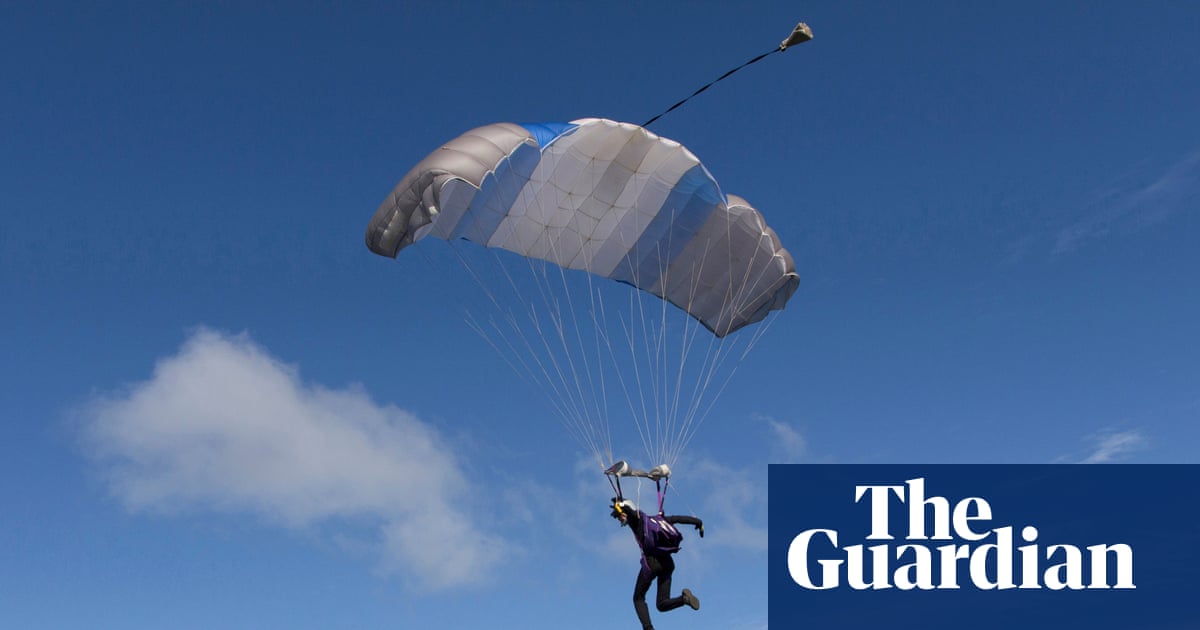
A rare convergence of aviation accident and emergency response capability unfolded in Wisconsin this past Sunday, when recreational skydivers witnessed a small aircraft crash and immediately intervened. The incident occurred near East Troy, where occupants of a jump plane from Skydive Milwaukee observed a single-engine airplane banking sharply before disappearing behind a tree line. Realizing the gravity of the situation, several experienced jumpers decided to abandon their scheduled recreational activities and drop directly toward the crash site.
The decision to act was driven by both proximity and specialized training among the skydiving group. John Bechtel, a veteran jumper with three decades of experience, noted that the timing was critical. Had the group departed five minutes earlier, they would have missed the event entirely; a delay of fifteen minutes would have prevented them from reaching the scene before official responders arrived. Instead, they found themselves in a unique position to provide immediate assistance in a location difficult to access by road.
Upon landing in the tall cornfield, the jumpers faced significant visibility challenges. Kevin Flynn, another member of the team, described using vocal cues similar to the game Marco Polo to locate the wreckage and survivors. He and Bechtel called out repeatedly until they received responses from those on the ground, allowing them to navigate through the dense vegetation to reach the aircraft. This rapid navigation was essential given that the crash site was not immediately visible from nearby roads.
Once at the scene, the jumpers utilized their background in emergency medical services to stabilize victims. One of the responders, who holds former paramedic credentials, attended to a woman suffering from a serious head injury. This intervention occurred before any ground-based ambulance crews could reach the isolated field. The presence of medically trained individuals at the exact moment of impact likely played a crucial role in preventing further deterioration of the victim's condition during those critical initial minutes.
The aircraft involved was identified as a Beechcraft 35-A33 Debonair, a model manufactured in 1961. Aerial footage captured by local news outlets showed the plane resting upright on the ground with one wing detached. Despite the severity of the structural damage, all four people on board survived the crash. Walworth County officials confirmed that three passengers were transported to hospitals for treatment, while the fourth individual received care at the scene and did not require hospitalization.
Jonah Johnston, the pilot of the Skydive Milwaukee aircraft, communicated with air traffic controllers immediately after witnessing the crash. He reported the location just south of East Troy and offered to drop skydivers who could potentially aid in rescue efforts. This coordination highlighted an unconventional but effective use of airborne assets in emergency response scenarios where traditional ground access is hindered by terrain or vegetation.
The National Transportation Safety Board has opened an investigation into the cause of the crash. An investigator arrived at the site on Sunday afternoon to begin examining the wreckage and gathering evidence. While the specific mechanical or operational failures leading to the accident remain unknown, the focus is now on determining why the aircraft lost control and crashed in the cornfield.
Skydive Milwaukee released a statement expressing gratitude for the actions of their community members. They emphasized that several participants were already airborne and trained as emergency medical technicians when the incident occurred. The organization highlighted the difficult accessibility of the crash site from public roads, underscoring why the aerial response was particularly valuable in this specific context.
Identities of the victims have not been released to the public. Local news affiliates reported that all survivors are expected to make full recoveries. The incident serves as a notable example of how specialized skills within recreational communities can intersect with emergency situations, providing immediate aid where traditional response times might otherwise be insufficient.
As the investigation proceeds, authorities will likely review flight data and witness accounts to piece together the sequence of events leading up to the crash. For now, the successful outcome stands as a testament to the quick thinking and medical expertise of the skydivers who happened to be in the right place at the right time.
Sources behind this briefing
Go to the original reporting
- The Guardian World↗Team of skydivers drop in to help survivors of a plane crash in Wisconsin