The short version
- Six Flags will add seatbelts to the Goliath rollercoaster in Georgia following the death of a rider who was ejected from his seat.
- The company has temporarily closed eight rides across five parks and commissioned an independent review of safety procedures for all attractions.
- This incident occurs as Six Flags faces ongoing litigation regarding alleged brain injuries linked to its X2 ride, which was permanently shut down in September.
Six Flags is altering the restraint systems on its Goliath rollercoaster at the Georgia location, a direct response to a fatal accident that occurred earlier this month. The decision marks a significant operational shift for the attraction, which previously relied solely on lap bars to secure passengers. Hassan Jihad Ibn Kariem, a 42-year-old educator and father, was ejected from his seat during a ride on the coaster. He fell approximately 165 feet before striking other cars on the track, an event that resulted in his death.
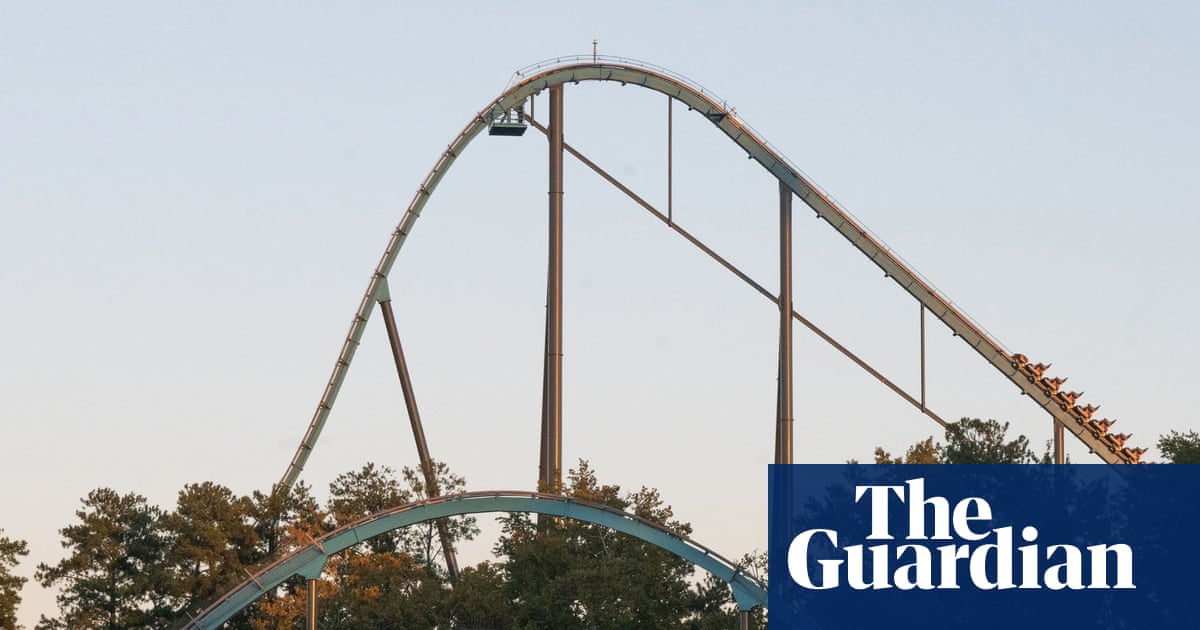
The Goliath is known for its intense drops, including an initial plunge of 165 feet followed by a second drop of 180 feet. The ride utilizes restraint technology designed by Bolliger & Mabillard, which typically features lap bars that lock over the rider’s waist. While this design has been standard for many thrill rides, the incident has prompted Six Flags to install seatbelts on Goliath and other coasters with similar restraint configurations. The exact scope of which additional rides will receive these modifications remains unclear at this time.
In the immediate aftermath of the tragedy, park officials temporarily suspended operations on Goliath. The safety concerns extended beyond the Georgia site, leading to the temporary closure of eight other rides across five different Six Flags parks. Authorities in Georgia have launched a formal investigation into the circumstances surrounding Kariem’s death. The probe aims to determine whether mechanical failure, procedural error, or other factors contributed to the ejection.
John Reilly, the chief executive officer of Six Flags, addressed the incident in a public statement, acknowledging the profound impact on employees and guests alike. He emphasized that safety has always been a fundamental component of the guest experience. Reilly stated that trust is earned through actions rather than words, committing the company to ongoing communication regarding their progress. He also announced that an independent review has been commissioned to evaluate safety procedures for all attractions within the chain.
The incident at Six Flags Over Georgia adds to a growing list of legal and operational challenges for the amusement park operator. The company is currently facing lawsuits related to alleged bodily harm sustained by riders on its X2 attraction at Magic Mountain. A recent investigation revealed a history of brain injuries associated with the ride, along with at least two deaths linked to its operation.
Plaintiffs in the litigation against Six Flags have accused the park of negligence and operating a defective coaster. Court documents indicate that a group of former riders claims they sustained traumatic brain injuries while riding X2. These allegations suggest systemic issues with ride safety or maintenance protocols, although the company has not admitted liability. The legal proceedings are ongoing, adding pressure on Six Flags to demonstrate improved safety standards.
In response to the controversies surrounding X2, Six Flags permanently shut down the ride in September. This closure was a decisive move to mitigate further risk and address public concern. However, the recent fatality at Goliath indicates that safety vulnerabilities may persist across other attractions. The installation of seatbelts is intended to provide an additional layer of security for riders, reducing the likelihood of ejection during high-intensity maneuvers.
The broader implications of these events extend beyond individual rides. The amusement industry relies heavily on public confidence in safety measures. Any incident involving serious injury or death can erode that trust and lead to increased regulatory scrutiny. Six Flags faces the challenge of balancing operational continuity with rigorous safety enhancements. The independent review will likely play a crucial role in shaping future policies and design standards for the company’s attractions.
As the investigation proceeds, families of victims and advocacy groups are calling for transparency and accountability. The temporary closures have disrupted operations at multiple parks, affecting revenue and guest experiences. Six Flags must navigate these immediate logistical challenges while addressing long-term safety concerns. The outcome of the Georgia probe and the ongoing lawsuits will likely influence how the company manages its fleet of rides in the future.
The addition of seatbelts to Goliath represents a tangible step toward rectifying identified risks. However, it remains to be seen whether this modification will be sufficient to prevent similar incidents on other coasters. The industry may see a broader trend toward more robust restraint systems as operators respond to heightened safety expectations. Six Flags’ commitment to accountability will be tested by the findings of the independent review and the results of the legal cases currently pending.
Sources behind this briefing
Go to the original reporting
- The Guardian US↗Six Flags to reopen Goliath rollercoaster – but now with seatbelts after recent rider death