The short version
- Rick Jackson is spending nearly $200 million of his own fortune to run for governor, positioning himself as a self-funded alternative to traditional party machinery.
- The candidate emphasizes his background in foster care and poverty to connect with working-class voters, contrasting his origins with those of President Trump.
- Despite softening his rhetoric on immigration after the primary, Jackson remains aligned with Trump on deportations and has appeared at rallies alongside the president.
The race for Georgia governor is shaping up as a test of whether a softer, billionaire-funded version of conservative politics can succeed in a key swing state. Republican candidate Rick Jackson, a healthcare magnate, is leveraging his personal wealth and distinct life story to appeal to voters who may be wary of the more combative style associated with President Donald Trump. With nearly $200 million spent from his own funds, Jackson has become one of the largest self-financing candidates in American electoral history, using that financial independence to craft a campaign narrative centered on personal redemption and fiscal responsibility.
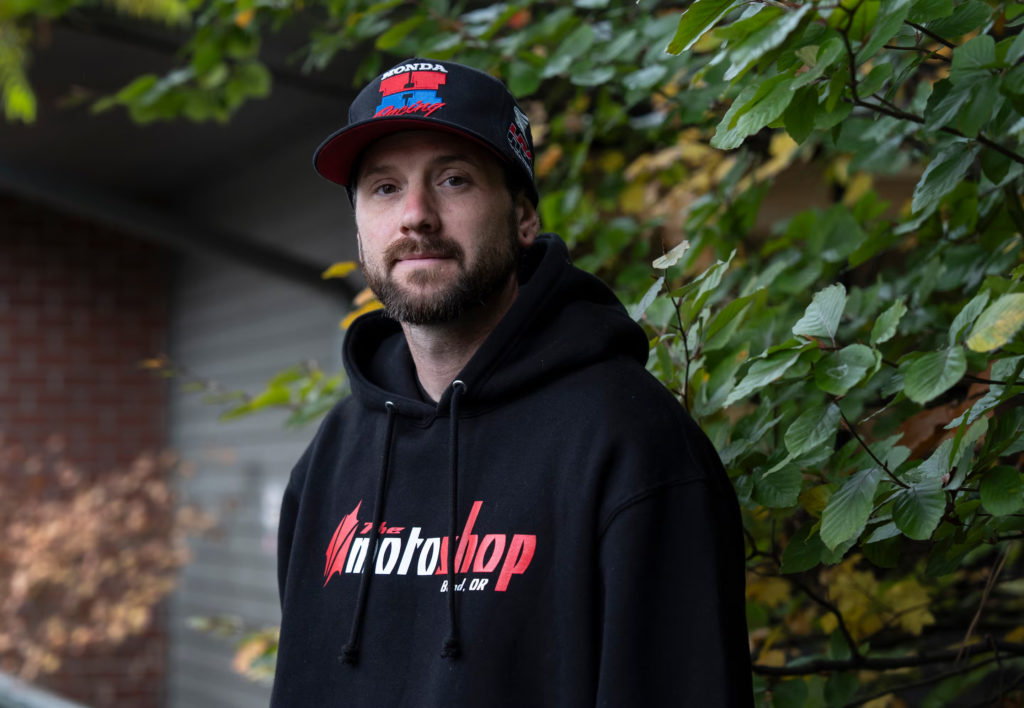
Jackson’s appeal rests heavily on his biography, which he describes as a journey from poverty to immense wealth. He frequently recounts spending his early years in foster care, living in projects, and attending multiple schools before launching his first business at age 21. This rags-to-riches trajectory stands in stark contrast to Trump, who was born into wealth. Jackson uses these details to argue that he understands the struggles of ordinary Georgians, claiming that his experiences with hunger and abandonment give him a unique perspective on economic hardship. He frames his spending not as a display of ego, but as a moral obligation derived from his faith and background.
The candidate’s messaging attempts to bridge the gap between elite wealth and working-class values by reframing his fortune as a tool for public good rather than personal indulgence. In interviews and campaign events, Jackson refers to his money as belonging to God, stating that his role is to create impact with it. He argues that his substantial financial investment in the campaign is intended to help millions of Georgians avoid struggle. This approach seeks to neutralize criticisms often leveled at billionaire politicians by presenting his wealth as a means to deliver business-style solutions to state governance issues.
Despite efforts to differentiate himself from Trump, Jackson has maintained significant alignment with the president on core policy issues, particularly immigration. During the primary phase of the election, he ran advertisements promising to make Georgia a national leader in deportations and used strong rhetoric against undocumented immigrants. Although he later shelved some of these ads after winning the runoff against Lt. Gov. Burt Jones, who had initially secured Trump’s endorsement, Jackson has not abandoned his hardline stance. He continues to support aggressive immigration enforcement, viewing it as essential to national security and cultural preservation.
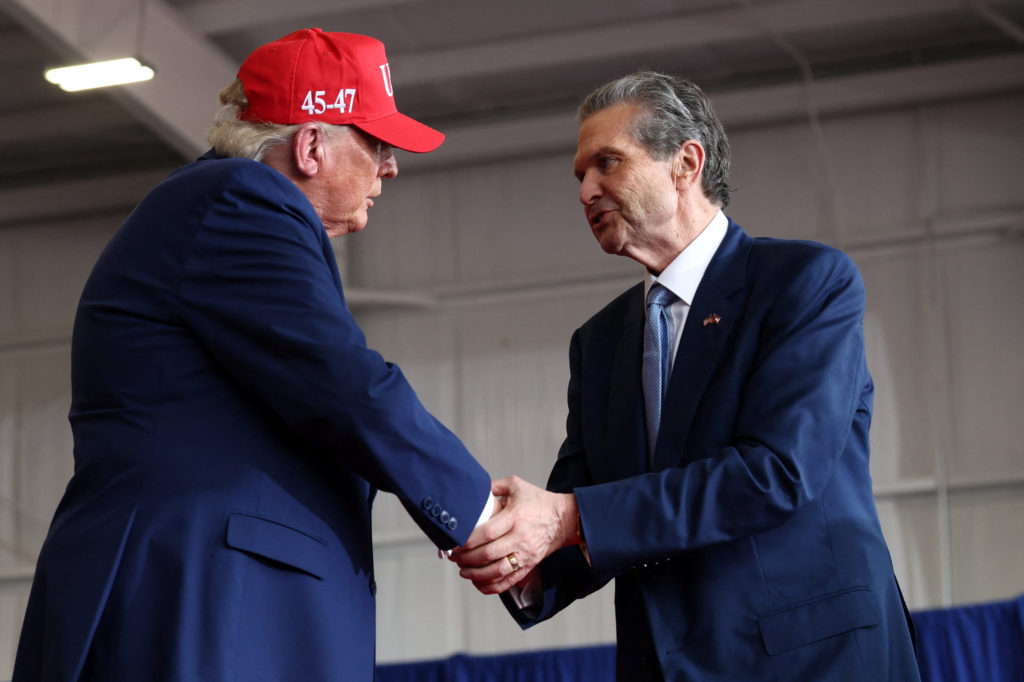
The campaign strategy involves a delicate balancing act between embracing Trump’s populist base and appealing to moderate voters who may be alienated by the president’s more confrontational tactics. Jackson has appeared at rallies with Trump, including a recent event in Perry, signaling his loyalty to the party’s current leadership. However, he also emphasizes his Southern tone and distinct persona, aiming to offer a familiar yet less polarizing face for conservative values. This dual approach reflects an attempt to capture both the fervent support of Trump’s base and the cautious consideration of independent voters in Georgia.
Democratic nominee Keisha Lance Bottoms, a former Atlanta mayor, has challenged Jackson’s narrative by questioning the sincerity of his altruistic pitch. She disputes the idea that his wealth translates into genuine concern for working-class issues, setting up a direct contest over the character and priorities of each candidate. The election will likely hinge on whether voters accept Jackson’s personal story as evidence of empathy or view it as a calculated political maneuver designed to mask the interests of corporate elites. This dynamic adds a layer of complexity to the traditional partisan divide in the state.
Jackson’s campaign has also utilized emotional appeals, including advertisements featuring his grandchildren and young adults who benefited from his charitable work with foster children. These spots aim to humanize him and counter perceptions of him as a cold or distant executive. By highlighting his role as a grandfather and benefactor, the campaign seeks to soften his image and build trust with voters who may be skeptical of his political inexperience. The use of family members and beneficiaries serves to reinforce the theme of personal connection and community investment.
As the November 3 election approaches, the focus remains on whether Jackson’s unique blend of wealth, personal narrative, and conservative policy positions can resonate enough to secure victory. His ability to walk the line between Trump-aligned populism and a more moderate, business-focused conservatism will be closely watched by political analysts. The outcome could have broader implications for how billionaire candidates approach future elections, particularly in swing states where voter sentiment is fluid and highly responsive to candidate persona.
The campaign’s heavy reliance on self-funding allows Jackson to operate with a degree of independence from traditional donor networks, potentially enabling him to take risks that other candidates might avoid. However, this strategy also raises questions about accountability and representation, as his financial autonomy may limit the influence of grassroots organizers and small-dollar donors. Voters will ultimately decide whether this model represents a refreshing change in political financing or a continuation of elite control over democratic processes.
In the final stretch of the campaign, both sides are intensifying their efforts to mobilize supporters and persuade undecided voters. Jackson’s team is focusing on reinforcing his message of stability and economic competence, while Bottoms’ campaign is likely to emphasize issues related to social services and equity. The contrast between their approaches highlights the broader ideological tensions within American politics, making Georgia a critical battleground for determining the direction of conservative governance in the coming years.
Sources behind this briefing
Go to the original reporting
- PBS NewsHour↗Republican billionaire Rick Jackson is walking a Trump tightrope in his quest to lead Georgia