The short version
- South Korea summoned Ukraine's top diplomat to demand an apology, alleging Kyiv violated a confidentiality agreement regarding the transfer of two North Korean prisoners of war.
- Ukrainian officials deny the existence of such an agreement, creating a public dispute that has drawn criticism from domestic political opponents of South Korean President Lee Jae Myung.
- The incident highlights Seoul's delicate balancing act between supporting Ukraine against Russian aggression and maintaining cautious relations with North Korea and Russia.
A significant diplomatic friction has developed between South Korea and Ukraine following the public disclosure of a prisoner transfer involving two North Korean soldiers. The dispute centers on conflicting narratives about whether the two nations agreed to keep the operation secret. Seoul has escalated tensions by summoning Ukraine’s most senior diplomat in the country to demand a formal apology, accusing Kyiv of undermining trust through its handling of the situation.
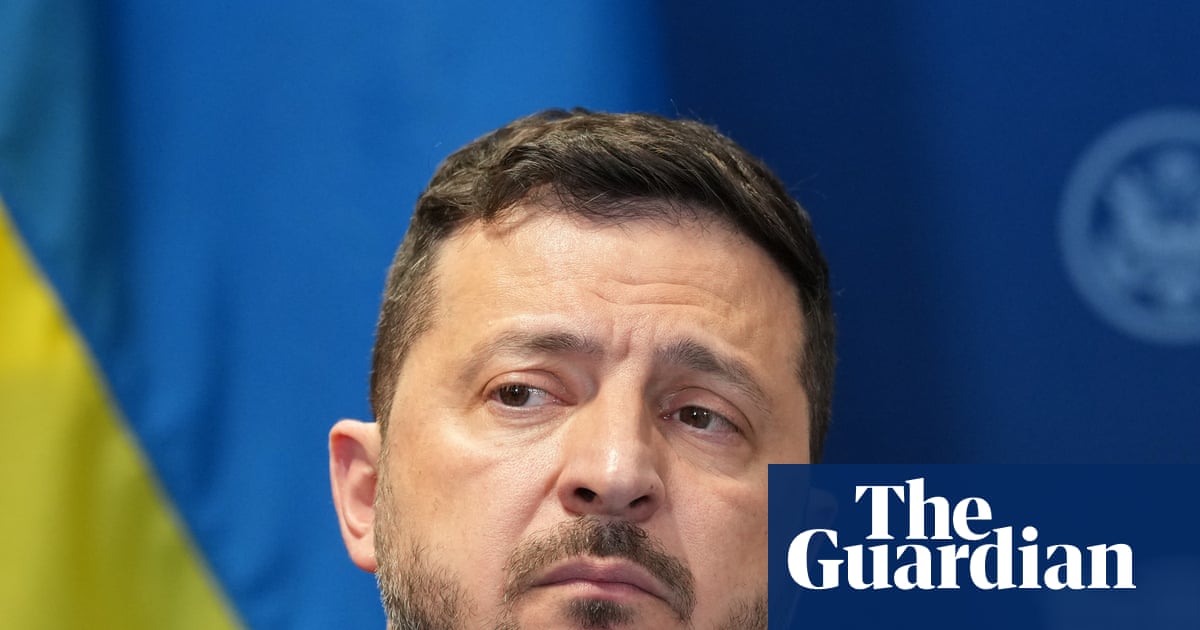
The controversy began after Ukrainian President Volodymyr Zelenskyy addressed the United Nations General Assembly last week. During his speech, he stated that his government had sent two prisoners of war to the Republic of Korea. These individuals were captured by Ukrainian forces in Russia’s Kursk region in January 2025. They were among thousands of troops dispatched by Pyongyang to support Moscow’s military operations. Both men reportedly expressed a desire to relocate to South Korea, which considers North Koreans to be its own citizens.
Prior to the UN address, President Zelenskyy and South Korean President Lee Jae Myung had reached an understanding in July to resolve the matter while respecting the soldiers’ free will. The pair arrived in South Korea via a third country earlier this month. Under standard procedures, North Koreans arriving in the South as defectors are typically questioned by the National Intelligence Service before being sent to state resettlement centers. However, sensitive cases may bypass these centers entirely.
South Korean officials assert that Kyiv requested secrecy regarding the transfer. Seoul claims it agreed to this condition to protect the safety of the two men and their families, as well as for broader diplomatic and security reasons. The South Korean foreign ministry stated that there was a clear agreement to handle the matter confidentially, though it did not confirm whether any written documentation exists. When asked directly, officials noted only that both sides had decided on confidentiality.
In response to Seoul’s allegations, Ukrainian adviser Dmytro Lytvyn denied the existence of a non-disclosure agreement. This denial has intensified the political fallout in South Korea. President Lee criticized Ukraine for breaking what he described as a binding agreement, calling the breach regrettable. Critics within Lee’s own political camp have seized on the incident to question his credibility, with some accusing him of misleading the public. The president’s approval ratings have recently dipped to 37.9%, adding pressure to his administration.
The South Korean foreign ministry characterized Kyiv’s statements as false and warned that such conduct seriously damages intergovernmental trust. The embassy in Seoul has not responded to requests for comment regarding the dispute. Meanwhile, North Korea has remained silent on the specific transfer. Pyongyang has historically glorified soldiers who died rather than face capture, making the survival and defection of two troops a sensitive issue. Analysts suggest the regime is unlikely to disclose the transfer domestically to avoid undermining its heroic narrative.
This diplomatic row underscores South Korea’s complex position in the broader geopolitical landscape. Since Russia launched its full-scale invasion of Ukraine in February 2022, Seoul has condemned Moscow’s actions and joined Western sanctions. In July, it pledged a $100 million support package to Kyiv. However, South Korea has maintained a cautious distance from direct military involvement, refusing to send lethal weapons to Ukraine in line with its policy against supplying arms to countries at war.
Seoul’s foreign policy is further complicated by its economic ties and security concerns regarding its neighbors. Before the war, Russia was one of South Korea’s largest trading partners. Additionally, the Lee administration has expressed interest in improving relations with Pyongyang. The current dispute has shifted some domestic support for Ukraine into open criticism. Lawmakers from the opposition Democratic Party have argued that there is no strategic need to support Kyiv and have urged an immediate review of aid packages. The incident illustrates the difficulties of navigating alliances when regional security interests diverge.
Sources behind this briefing
Go to the original reporting
- The Guardian US↗Why is South Korea so angry with Ukraine over two North Korean prisoners of war?