The short version
- The US Senate voted 51-47 to reject a resolution mandating a State Department report on violence in the West Bank, including the deaths of nine American citizens since 2022.
- The measure, led by Sen. Chris Van Hollen, failed along largely partisan lines, with Sen. John Fetterman joining Republicans in opposition while Sen. Rand Paul supported it.
- Proponents argue the lack of accountability for these deaths violates US values and laws governing military aid recipients, citing rising settler violence and displacement.
The United States Senate on Tuesday evening declined to advance a resolution that would have compelled the State Department to produce a detailed report regarding violence in the occupied West Bank. The measure, which sought to address the deaths of nine American citizens by Israeli settlers or security forces since 2022, failed to secure the necessary majority support. The final vote was 51 to 47 against advancement, reflecting a sharp partisan divide on how Washington should respond to human rights concerns in the region.
Led by Maryland Democrat Chris Van Hollen, the resolution utilized Section 502B of the Foreign Assistance Act, a provision allowing senators to demand human rights reports from nations receiving US military aid. If passed, the legislation would have given the State Department thirty days to submit findings on the specific killings and broader conditions in the territory, including the detention of Palestinian children. The bill attracted twenty-four Democratic sponsors, including prominent figures such as Vermont Senator Bernie Sanders and New Hampshire Senator Jeanne Shaheen.
The voting pattern underscored significant internal party dynamics. While most Democrats supported the measure, Pennsylvania Senator John Fetterman broke ranks with his colleagues to vote against it alongside Republicans. Conversely, Kentucky Republican Rand Paul voted in favor of the resolution. This alignment highlights the complex and shifting nature of congressional support for Israel, with some Democrats moving toward greater scrutiny of Israeli actions while some Republicans express dissent from their party’s traditional stance.
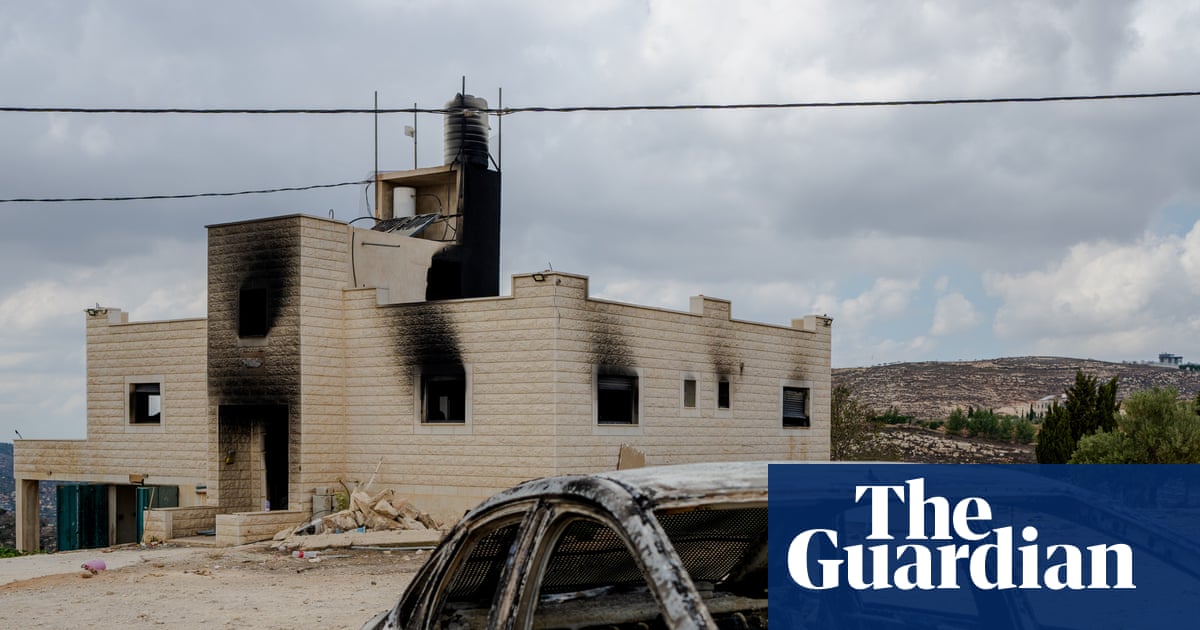
Van Hollen emphasized that none of the nine American deaths have resulted in accountability from either the Israeli or US governments. The victims include Sayfollah Musallet, a twenty-year-old from Florida who was beaten to death by settlers in July 2025 while visiting family in Sinjil, and Khamis Ayyad, a forty-year-old father from Illinois who died of smoke inhalation after settlers set fire to homes in Silwad. Other victims include two seventeen-year-olds shot dead in early 2024, a twenty-six-year-old Seattle resident shot by troops, and a fourteen-year-old from New Jersey who was shot multiple times.
The list of deceased Americans also includes journalist Shireen Abu Akleh, killed in 2022, and Omar Assad, an elderly man who died after being bound and gagged by Israeli soldiers. Van Hollen argued that the failure to investigate these cases represents a breach of responsibility toward US taxpayers and their values. He questioned how many more Americans must die before the executive branch fulfills its duty to ensure aid recipients adhere to legal and ethical standards.
The vote occurred against a backdrop of escalating violence documented by human rights organizations. Human Rights Watch reported in August that settler attacks, combined with rapid settlement expansion, had displaced approximately 5,900 people across 107 Palestinian communities since January 2023. United Nations figures indicated that displacement rates in the first four months of 2026 exceeded those for all of 2025, signaling an intensification of the crisis.
A March UN report covering the twelve months leading up to October 2025 recorded 1,732 settler attacks resulting in injuries or property damage. The report concluded that settlement expansion had forced more than 36,000 Palestinians from their homes. These statistics were cited by proponents of the resolution as evidence that current diplomatic approaches are insufficient to address the growing humanitarian impact on both Palestinian residents and American citizens living in or visiting the area.
This legislative effort follows a series of previous attempts by Democrats to restrict military aid to Israel. In November 2024, eighteen senators backed Bernie Sanders’ effort to block arms sales. More recently, in April, forty of the forty-seven Democratic senators voted to halt a $295 million sale of bulldozers, which critics argued would be used for home demolitions. Another measure blocking a $152 million sale of 1,000-pound bombs garnered thirty-six votes. All these measures failed due to unified Republican opposition.
Despite the rejection of this latest resolution, pressure from lawmakers continues. In August, forty-five Democratic senators signed a letter to Israeli Prime Minister Benjamin Netanyahu urging him to take action to protect Americans in the West Bank. The ongoing debate reflects a broader realignment within the Democratic Party, where historical support for Israel is increasingly being weighed against concerns over human rights violations and the lack of accountability for violence affecting US citizens.
The failure of the resolution leaves the question of accountability unresolved. Without a mandated State Department report, there is no official federal assessment of the circumstances surrounding these deaths or the broader human rights situation in the West Bank. Critics argue that this inaction undermines US credibility and moral authority on the global stage, while supporters of the status quo maintain that existing diplomatic channels are sufficient to address security concerns without congressional interference.
Sources behind this briefing
Go to the original reporting
- The Guardian US Politics↗US Senate blocks resolution demanding accountability over Israeli violence in West Bank