The short version
- Songwriters Bruce Woodley and Dobe Newton confirmed that no permission was granted for the use of their track at the Brisbane conference.
- The authors stated the song's message of diversity conflicts with the anti-immigration rhetoric presented by speakers such as Pauline Hanson.
- Copyright experts describe unauthorized political use of music as a persistent enforcement challenge, likening it to a game of whack-a-mole.
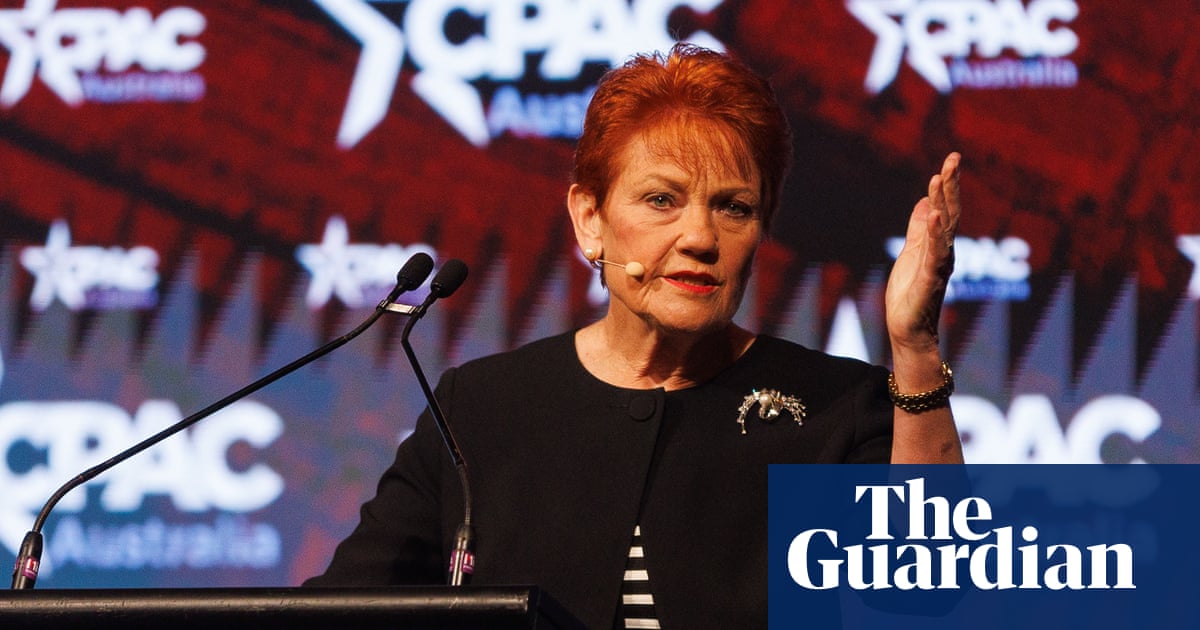
The organizers of the Conservative Political Action Conference in Brisbane faced immediate backlash from the creators of a beloved Australian anthem after playing their song without authorization. Bruce Woodley and Dobe Newton, who co-wrote 'I Am Australian' in 1987, confirmed that they did not grant permission for the track to be performed during the event's opening ceremony. The performance occurred on Saturday, following renditions of the national anthem and 'Waltzing Matilda,' and was listed in the official conference program agenda.
Woodley explicitly stated on Monday that no request for approval had been made or received regarding the use of his composition. Newton echoed this sentiment, emphasizing that he would never endorse associating the music with the purposes served by the conference. The song, known for its lyrics celebrating unity in diversity, includes the line 'We are one, but we are many, and from all the lands of earth we come.' The authors argued that this theme stands in direct opposition to the anti-immigration viewpoints expressed by several speakers at the event.
The controversy is not an isolated incident involving these songwriters and right-wing political figures. Newton revealed that Pauline Hanson had previously attempted to use the same track during an earlier election campaign. In response, Woodley and Newton engaged a solicitor to send a threatening letter regarding potential legal action. According to Newton, this intervention caused Hanson to reconsider her plans at that time. He expressed bewilderment at the recurring attempts to link their work with such political agendas, questioning what planet these organizers inhabit.
During the 2023 referendum on establishing an Indigenous voice to parliament, both the yes and no campaigns approached Woodley and Newton regarding the use of the song. The authors maintained their stance against political exploitation of their work during that period as well. The 1997 recording of the track, featuring late Seekers singer Judith Durham, Air Supply’s Russell Hitchcock, and Yothu Yindi leader Dr M Yunupingu, has since become a cultural standard. It was added to the National Film and Sound Archive registry in 2023 and has been used with permission for other causes, including advertisements by the Australian Republican Movement during the 1999 referendum.
Mark Callaghan, leader of the band Ganggajang and a board member of copyright management organizations APRA-AMCOS, confirmed that the unauthorized use at CPAC was illegal. He stressed that public performances, particularly in political contexts, require explicit permission and approval. However, Callaghan noted that enforcing these rights is difficult and often feels like playing whack-a-mole. He cited his own song, 'Sounds of Then (This is Australia),' as another example of music frequently misused for commercial and political purposes without consent.
The broader issue extends beyond individual cases to a systemic problem on the internet. Callaghan explained that content creators often upload political posts accompanied by popular Australian songs like 'I Am Australian' or Icehouse’s 'Great Southern Land.' This practice implies a connection or endorsement that does not exist, creating confusion and diluting the artists' control over their intellectual property. The ease of digital distribution makes it challenging to track and stop every instance of infringement, leaving rights holders with limited practical recourse.
The song's history includes legitimate use in major national and sporting events, where its message of inclusivity aligns with the celebratory nature of the occasions. Its inclusion in the CPAC program, however, drew sharp criticism from the authors who view the conference's platform as fundamentally at odds with their artistic intent. The discrepancy between the song's lyrical content and the political messaging of the event underscores the sensitivity surrounding cultural symbols in polarized political environments.
Organizers of the Conservative Political Action Conference have been contacted for comment regarding the unauthorized performance. As of now, no official response has been provided to clarify whether the use was an oversight or a deliberate choice. The incident highlights the ongoing friction between copyright holders and political entities that seek to leverage cultural touchstones for rhetorical effect. Without clear communication channels or respect for intellectual property rights, such conflicts are likely to persist in future political gatherings.
The reaction from Woodley and Newton serves as a reminder of the importance of securing proper licenses for public performances. While the song has been embraced by various groups over the decades, its authors remain vigilant against uses that contradict their values. The legal and ethical implications of this incident may encourage other artists to be more proactive in protecting their work from unauthorized political appropriation. Until enforcement mechanisms improve, creators will continue to face challenges in maintaining control over how their art is utilized in public discourse.
Sources behind this briefing
Go to the original reporting
- The Guardian World↗‘What planet is she on?’: the Seekers take aim at CPAC over use of I am Australian