The short version
- Raphaël Glucksmann has been selected as the social democrat candidate for France's 2027 presidential election following a decisive victory in the Socialist party primary.
- The new candidate faces significant polling deficits against far-right leader Marine Le Pen and radical left figure Jean-Luc Mélenchon, complicating his path to nomination.
- Glucksmann emphasizes environmental policy and pro-European values while attempting to reunite a fractured centre-left that has struggled with recent electoral defeats.
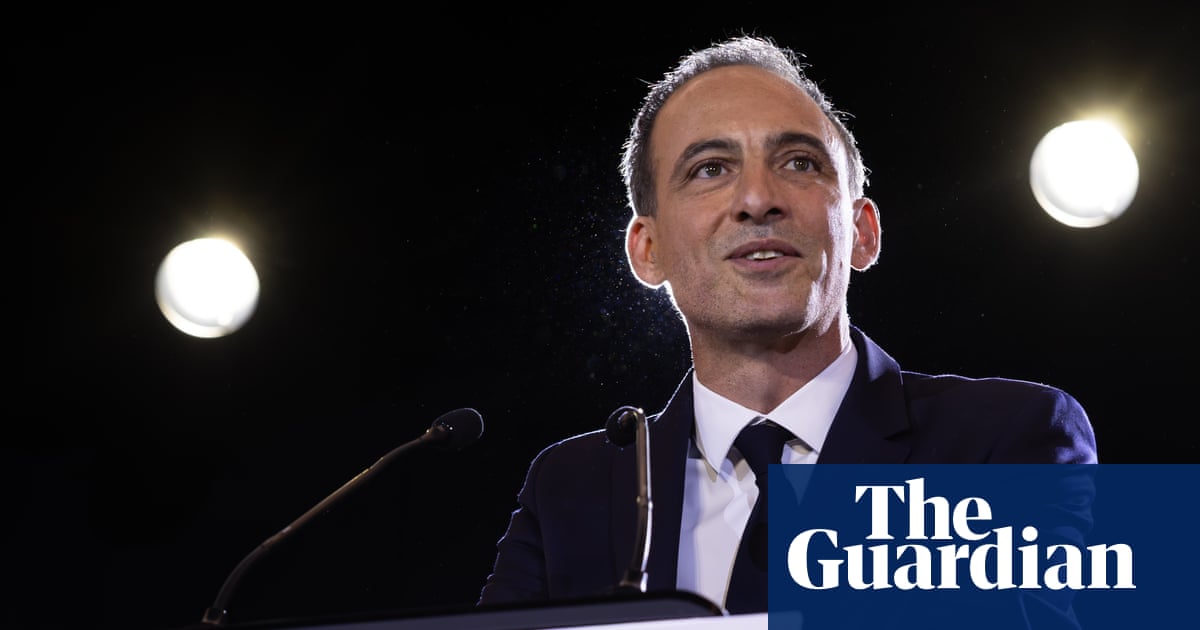
Raphaël Glucksmann has emerged as the designated candidate for the social democratic faction in France’s upcoming 2027 presidential election, securing victory in a primary contest organized by the Socialist party. The European parliament member and essayist framed his selection as a critical juncture for French politics, urging his coalition to engage in what he described as an existential struggle to prevent the far right from seizing executive power. His announcement marks a significant shift in the landscape of the centre-left, which has suffered consecutive crushing losses in recent presidential contests and now seeks to rebuild its electoral viability under new leadership.
Glucksmann’s campaign platform centers on restoring pride in social democracy through a renewed focus on environmental policy and international solidarity. He characterized the current political climate as a historic moment where the far right stands at the gates of power, necessitating a brutal and unprecedented campaign effort. The candidate argued that the centre-left must shed a spirit of defeatism and regain a form of radicality it has lost, particularly in addressing the climate emergency. His approach aims to reconnect with working-class voters who have drifted away from traditional social democratic parties, while also appealing to those who previously supported President Emmanuel Macron.
Despite his rhetorical emphasis on unity and urgency, Glucksmann faces substantial headwinds in public opinion polls. Current data places him significantly behind Marine Le Pen, the frontrunner from the far right, as well as Édouard Philippe, a centre-right contender and former prime minister under Macron. More critically for his immediate prospects, Glucksmans trails Jean-Luc Mélenchon, the radical left politician whose party, La France Insoumise, has positioned itself as the dominant force within a divided left wing. Mélenchon’s movement boycotted the Socialist primary, reflecting deep fractures within the broader left coalition that Glucksmann now hopes to bridge or overcome.
The selection of Glucksmann represents a structural change for the Socialist party, which will not field its own independent presidential candidate for the first time since its founding in 1969. Instead, it has backed Glucksmann, who founded the smaller Place Publique party, to lead the charge. This move underscores the party’s reliance on external alliances and its attempt to leverage Glucksmann’s reformist, centrist tone to broaden its appeal. However, this strategy has drawn criticism from some on the left who view him as too moderate or detached from grassroots concerns, labeling him a Parisian intellectual rather than a representative of everyday struggles.
Glucksmann has acknowledged these criticisms but defended his background as an asset rather than a liability. He stated that his experience allows him to explain complex political moments with nuance rather than relying on simplistic slogans. His international profile includes work documenting the aftermath of genocide in Rwanda and advising former Georgian president Mikheil Saakashvili, highlighting his long-standing commitment to pro-European and pro-Ukraine stances. These positions align with his broader vision of a France that remains firmly integrated within European institutions and active in global affairs, distinguishing him from more isolationist or nationalist competitors.
The personal cost of this political endeavor is evident in the steps taken by Glucksmann’s partner, Léa Salamé, a prominent presenter on French public television. She has stepped down from her role hosting the flagship evening news program to avoid conflicts of interest and support his campaign. This decision underscores the high stakes involved in the race and the personal sacrifices required at this level of political engagement. It also signals the seriousness with which Glucksmann is approaching the challenge of revitalizing a party that has struggled to maintain relevance in recent years.
Looking ahead, the path to victory remains steep for the centre-left coalition. Glucksmann must not only consolidate support within his own ranks but also persuade voters who have abandoned traditional left-wing parties in favor of Macron’s centrist movement or Mélenchon’s radical alternative. His ability to articulate a compelling vision that bridges these divides will be crucial in determining whether the centre-left can mount a credible challenge to the far right. The coming months will test his capacity to translate intellectual arguments into political momentum, especially as the campaign intensifies and public attention focuses on policy specifics rather than broad themes.
As the election cycle progresses, the dynamics between these competing factions will likely evolve, with each candidate seeking to capitalize on weaknesses in their opponents’ platforms. Glucksmann’s emphasis on environmental urgency and European integration offers a clear ideological counterpoint to Le Pen’s nationalist agenda and Mélenchon’s more confrontational style. Whether this positioning resonates with enough voters to alter the current polling trends remains uncertain, but his selection signals a determined effort by the social democrats to reassert themselves in French politics after years of marginalization.
Sources behind this briefing
Go to the original reporting
- The Guardian World↗French centre left must wage ‘existential battle’ to prevent far right winning presidency