The short version
- The tower provides real-time data on carbon exchange at Scotland's largest saltmarsh, marking the first such installation in the country.
- Researchers aim to use this evidence to include saltmarshes in the UK Greenhouse Gas Inventory and support habitat restoration efforts.
- The project highlights the dual role of these ecosystems in supporting biodiversity and providing natural flood defense against rising sea levels.
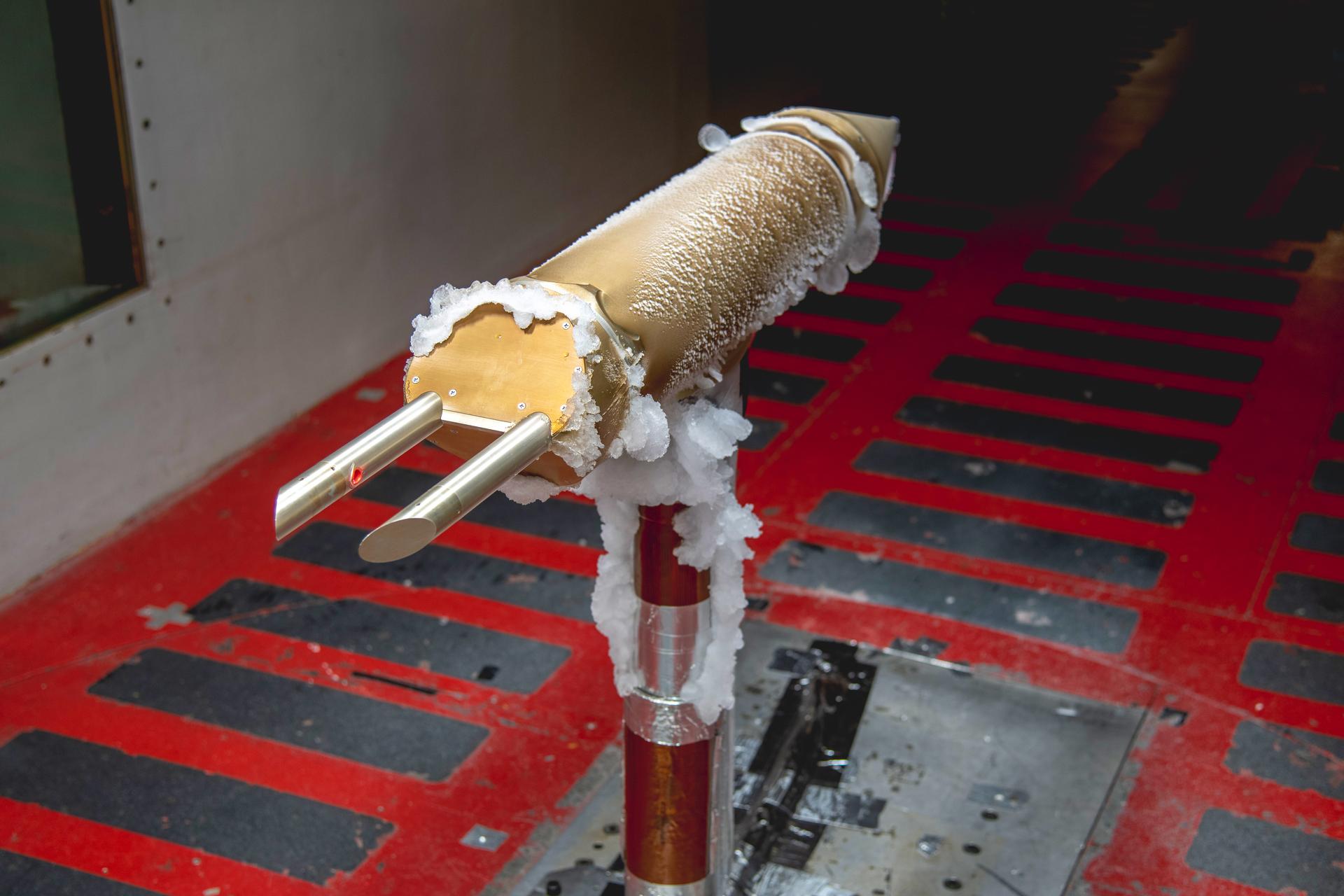
A new scientific instrument has been deployed at Caerlaverock on the Solway Firth to measure the carbon exchange capabilities of Scotland’s largest saltmarsh. This flux tower represents the first of its kind installed in Scottish coastal wetlands, offering researchers a direct method to track how much atmospheric carbon dioxide these ecosystems absorb. The installation marks a shift toward empirical measurement for habitats that have historically been undervalued in national climate accounting.
The initiative is a collaborative effort involving the UK Centre for Ecology and Hydrology, NatureScot, WWF-UK, and the Scottish government. By capturing real-time data on carbon flux, the project seeks to clarify the specific contribution of saltmarshes to climate mitigation. This information is critical for updating the UK Greenhouse Gas Inventory, which currently lacks comprehensive data on the carbon storage potential of these coastal zones.
Saltmarshes function as significant carbon sinks through two primary mechanisms. The vegetation draws down carbon dioxide via photosynthesis, while the root systems trap carbon-rich sediments during incoming tides. These processes allow the marshes to store substantial amounts of carbon in both biomass and soil. Understanding the precise rate of this sequestration is essential for evaluating the effectiveness of conservation strategies.
The urgency of this research is underscored by the dramatic decline of similar habitats across the United Kingdom. Approximately 85 percent of UK saltmarshes have disappeared since the mid-19th century. This loss resulted from land reclamation for agriculture and development, the construction of coastal flood defenses, pollution degradation, and erosion driven by rising sea levels. The remaining marshes are therefore both rare and ecologically significant.
Corallie Hunt, a coastal habitats adviser for NatureScot, described the tower’s installation as an important milestone. She emphasized that real-time measurement strengthens the scientific basis for protecting and restoring these areas. By quantifying the carbon storage potential, the project provides tangible evidence to support policy decisions aimed at safeguarding remaining wetlands.
Annette Burden, a wetland scientist with the UK Centre for Ecology and Hydrology, noted that this site is the most northerly addition to a network of flux towers around the UK coast. The data collected will help standardize understanding of saltmarsh roles in climate mitigation across different geographic regions. This consistency is vital for creating accurate national inventories and comparing ecosystem performance.
Beyond carbon sequestration, these wetlands provide critical ecological services. Tom Brook, an ocean conservation specialist at WWF, highlighted the area’s importance for biodiversity. The Solway Firth supports thousands of migratory birds and rare species such as the natterjack toad. The complex habitat structure offers breeding grounds and feeding areas that are increasingly scarce in other coastal environments.
The marshes also serve a protective function for human communities. By absorbing wave energy, they reduce the impact of flooding and storm surges on inland areas. This natural defense mechanism becomes increasingly valuable as extreme weather events become more frequent. The data from the tower will help quantify these benefits, reinforcing the argument for maintaining natural coastal buffers rather than relying solely on engineered structures.
The findings from this project are expected to influence future conservation priorities. By demonstrating the measurable value of saltmarshes in carbon storage and flood protection, researchers hope to strengthen calls for habitat restoration. The success of this initial installation may lead to similar monitoring efforts at other sites, expanding the dataset available for climate modeling.
As the tower begins collecting data, it will provide a baseline for long-term monitoring. This continuous record will allow scientists to observe how the marsh responds to seasonal changes and potential environmental stressors. The integration of this local data into national frameworks could reshape how coastal ecosystems are valued in broader climate strategies.
Sources behind this briefing
Go to the original reporting
- BBC Science & Environment↗Carbon tracking tower put on Scotland's largest saltmarsh