The short version
- Mark Steele resigned from his role as vice-president of RSPCA New South Wales due to ethical concerns regarding the certification of meat chickens.
- Critics argue that fast-growing breeds cause significant health issues for birds, yet these remain dominant in the Australian market under current welfare labels.
- While new standards are set for 2031, they do not mandate slower-growing breeds, leaving a gap between consumer trust and animal welfare outcomes.
Mark Steele, the vice-president of RSPCA New South Wales, has resigned from his position on the organization’s board. Steele, who served as a volunteer member since 2021 and previously held a non-executive director role with RSPCA Australia until March, announced his departure via a public statement in late September. His exit marks a significant internal challenge for one of Australia’s most prominent animal welfare groups, stemming from deep disagreements over the integrity of its certification program for poultry.
Steele expressed profound discomfort with the RSPCA Certified scheme, which currently labels approximately 97 percent of chicken sold in Australia. He stated that he felt ashamed to be associated with a brand that certifies meat chickens raised under conditions he believes do not meet genuine welfare standards. For Steele, the presence of the RSPCA logo on packaging creates a misleading impression for consumers who expect the birds to have lived good lives and died humanely, an expectation he argues is not met by the current industry norms.
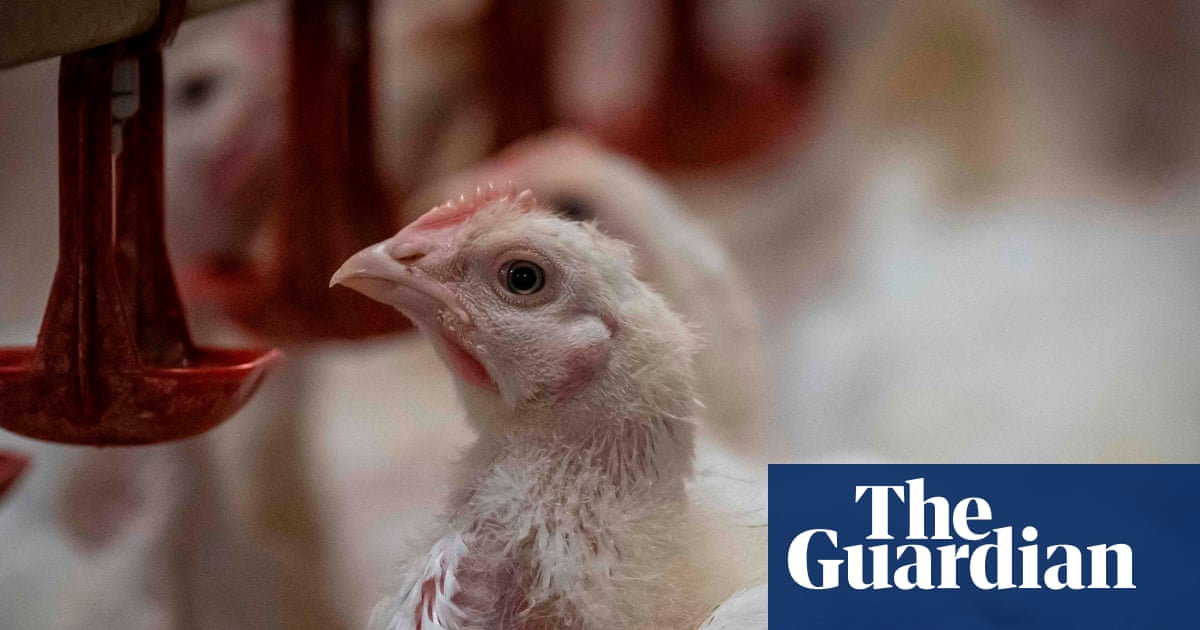
The controversy centers on the biological realities of modern poultry farming in Australia. Nearly all of the 800 million chickens slaughtered annually for meat belong to one of two fast-growing breeds. These birds reach slaughter weight in just four to six weeks, a rapid development timeline that animal welfare experts say places severe stress on their cardiovascular, skeletal, and dermatological systems. Jed Goodfellow, director of policy at the Australian Alliance for Animals, noted that such growth rates push avian biology to its limits, resulting in widespread health complications.
Chicken consumption has surged in Australia over the past three decades, doubling in volume and now accounting for nearly half of all meat eaten in the country. The average Australian consumes about 55 kilograms of chicken per year. This high demand has entrenched fast-growing breeds as the industry standard, despite growing awareness of their welfare implications. Steele’s resignation underscores a widening gap between the ethical promises implied by certification labels and the physical realities experienced by the animals.
In response to mounting pressure, the RSPCA recently upgraded its animal welfare standards for meat chickens. These new regulations, which producers must implement by January 1, 2031, to retain certification, include measures such as reduced stocking densities, variable lighting in sheds, and the elimination of electrical water bath stunning during slaughter. However, these updates do not address the core issue of breed growth rates. The organization has instead introduced a voluntary “enhanced” welfare category that encourages the use of slower-growing breeds, but this tier lacks a distinct consumer label and is not mandatory.
Steele characterized the new standards as a minor improvement but criticized the lack of a definitive timeline for phasing out fast-growing birds. He argued that without clear labeling or mandatory transitions, consumers remain unaware of the welfare compromises inherent in certified products. The absence of a specific identifier for enhanced welfare chicken means shoppers cannot easily distinguish between conventional and higher-welfare options, perpetuating the confusion Steele believes undermines the RSPCA’s credibility.
The debate highlights broader tensions within animal welfare advocacy regarding how to balance industry feasibility with ethical rigor. While the RSPCA aims to encourage gradual change through voluntary measures, critics like Steele contend that this approach fails to protect animals or inform consumers adequately. Melina Tensen, the RSPCA’s senior scientific officer, acknowledged the organization’s long-term goal of replacing fast-growing breeds with slower alternatives. She emphasized that consumer spending acts as a powerful signal to retailers, urging the public to voice support for more humane practices.
As the 2031 deadline approaches, the effectiveness of the RSPCA’s strategy will likely face increased scrutiny. The resignation of a senior board member signals internal dissent and raises questions about whether voluntary guidelines are sufficient to drive meaningful reform. For now, the certification badge remains on the vast majority of chicken products in Australia, continuing to shape consumer perceptions while the underlying welfare issues persist. The coming years will test whether industry practices can evolve to meet the ethical standards implied by the label.
Steele’s departure is not just a personal decision but a public statement on the limits of current certification models. By stepping down, he has drawn attention to the disconnect between marketing and reality in the poultry sector. The RSPCA faces the challenge of reconciling its mission with the economic realities of mass production, all while maintaining trust among donors and consumers who rely on its endorsements. The outcome of this struggle could influence animal welfare standards across other sectors as well.
The situation remains fluid as stakeholders weigh the costs and benefits of transitioning to slower-growing breeds. While European markets have seen increased adoption of these healthier options, Australian producers have been slower to change. The lack of a clear consumer-facing label for enhanced welfare chicken further complicates efforts to drive demand. Until these structural issues are addressed, the debate over what constitutes true animal welfare certification is likely to intensify.
Sources behind this briefing
Go to the original reporting
- The Guardian World↗RSPCA NSW director quits over welfare standards for RSPCA-branded chicken