The short version
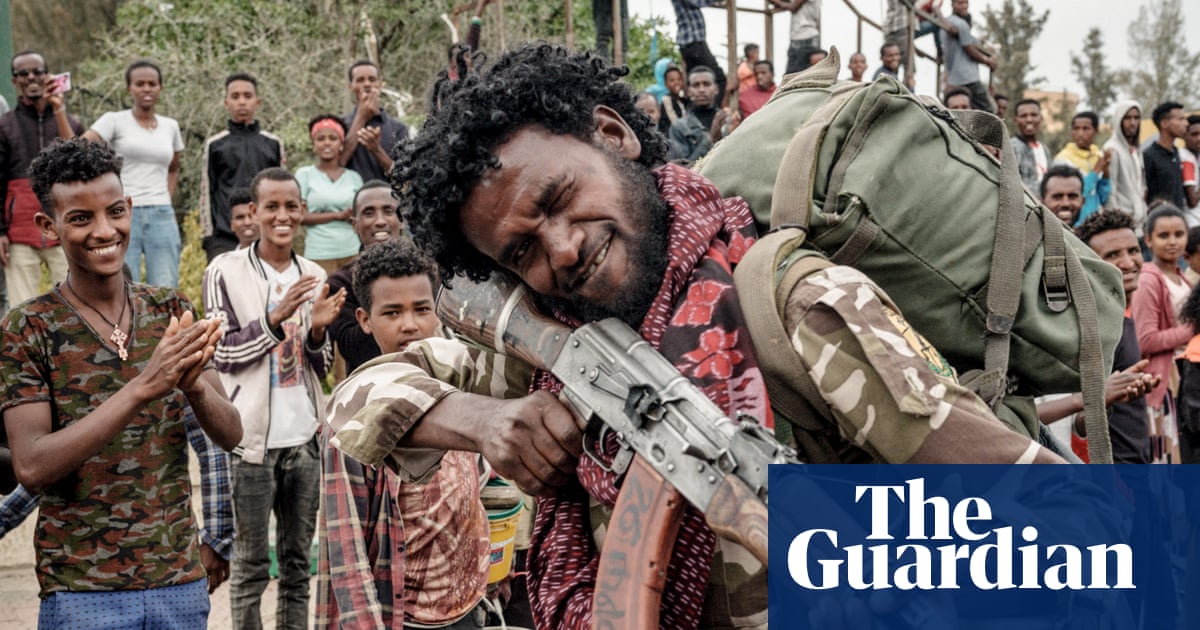
- Renewed fighting between the federal government and Tigrayan forces has shattered the Pretoria peace agreement, leading to reports of forced conscription targeting boys as young as fifteen.
- A new military alliance involving Eritrean troops and Amhara militias now supports the TPLF, while federal actions include freezing bank accounts and cutting communications in the region.
- Civilians face severe economic hardship due to withdrawal limits and soaring prices, with many trapped in Mekelle after flights were suspended and roads became unsafe.
The fragile peace that had held in northern Ethiopia since late 2022 has collapsed, plunging the Tigray region back into violent conflict. Hostilities resumed on September 23 following months of escalating tensions, marked by an attack launched by the Tigray People’s Liberation Front (TPLF). The group stated this offensive was a response to drone strikes conducted by the federal government. This breakdown in the Pretoria agreement signals a significant deterioration in regional stability and raises immediate concerns about the safety of civilians who had begun to rebuild their lives after the devastating war between 2020 and 2022.
Reports emerging from the region describe a systematic campaign of forced recruitment by armed groups aligned with the TPLF. Witnesses indicate that men and boys are being rounded up from streets and public transportation hubs, with targets ranging in age from fifteen to sixty-five. Individuals attempting to avoid service have found little recourse; some tried to present medical certificates to prove unfitness for duty, but recruiters reportedly ignored such documentation, seizing anyone physically capable of fighting. Those with financial means have resorted to bribing officers to secure exemptions for themselves and their children, highlighting the desperation gripping local communities.
The composition of the forces involved in this new phase of conflict has shifted dramatically. The Eritrean Defence Forces and Amhara militias, which were previously aligned with the federal government and accused of serious atrocities during the earlier war, have switched sides. These groups are now fighting alongside the TPLF against Ethiopian federal forces. This realignment complicates the humanitarian landscape, as actors previously condemned for war crimes and crimes against humanity are again engaged in active combat operations within a region already traumatized by mass violence.
Economic pressure on the civilian population has intensified through measures imposed by the federal government. Bank accounts in Tigray were abruptly frozen, leaving residents unable to access their funds. Although banks have since reopened, they operate under strict daily withdrawal limits of 2,000 birr, an amount that falls far short of covering basic needs given skyrocketing food prices. Long queues form outside financial institutions as people struggle to secure enough cash for survival. The inability to receive money or medicine from relatives outside the region has further isolated those trapped within the conflict zone.
Communication blackouts have compounded the crisis, cutting off internet and phone services in Tigray for periods of time. These disruptions were ordered by TPLF authorities, leaving families desperate for news of loved ones separated by the fighting. The lack of reliable information channels makes it difficult to assess the full scale of casualties or coordinate aid efforts. For those who managed to flee before the situation deteriorated, the experience has been marked by fear and uncertainty, with many heading toward Addis Ababa in hopes of safety.
Air travel to and from the region has also been suspended. Ethiopian Airlines halted flights after Tigrayan forces seized the airport in Mekelle, the regional capital. This move effectively stranded many residents who had planned to leave or were attempting to return home. The suspension of air services, combined with ground insecurity, has created a near-total blockade for civilians seeking to escape the violence. Those remaining in Mekelle report feeling trapped, with no clear path to safety and limited resources to sustain themselves.
The human toll of the previous conflict remains a stark backdrop to these developments. Estimates from the British government suggest that between 300,000 and 800,000 civilians died during the 2020-2022 war. United Nations experts have documented grave atrocities committed by Ethiopian army units, Eritrean forces, and Amhara militias, including acts amounting to war crimes and crimes against humanity. Tigrayan forces were also accused of committing abuses during that period. The return to violence threatens to undo any progress made in accountability and reconciliation, potentially leading to another cycle of retribution and suffering.
As fighting spreads, the risk of a fresh humanitarian catastrophe grows. The combination of forced conscription, economic strangulation, communication blackouts, and military realignments creates a volatile environment with little prospect for immediate resolution. International observers are closely monitoring the situation, concerned that the breakdown of the peace deal could lead to widespread displacement and further violations of international law. Without diplomatic intervention or a ceasefire, the civilian population faces an uncertain future marked by fear, poverty, and violence.
Sources behind this briefing
Go to the original reporting
- The Guardian World↗Tigray rebel groups ‘forcibly recruiting boys as young as 15’ as fighting spreads