The short version
- Cristiano Ronaldo has left the Portugal national team training camp in Copenhagen after coach Jorge Jesus confirmed he would not start against Denmark.
- The decision follows a similar benching during a recent victory over Norway, where Ronaldo remained on the substitute list for the entire ninety minutes.
- Jesus maintains there is no personal rift, attributing the situation to tactical choices and acknowledging the disappointment of warming up without playing.
Cristiano Ronaldo has abruptly departed from the Portugal national team’s training facility in Copenhagen, ending his participation in the current squad cycle. The departure occurred on Wednesday, shortly after head coach Jorge Jesus addressed the media to confirm that the veteran forward would not feature in the starting lineup for Thursday’s Nations League fixture against Denmark. Ronaldo announced his exit via social media, stating he had spoken with the president of the Portuguese Football Federation before leaving the camp.
The incident marks a significant escalation in tensions surrounding the thirty-four-year-old captain’s role within the national setup. Jesus had previously indicated that Ronaldo would remain on the bench for the recent match against Norway, a decision that saw the player spend the entire game as an unused substitute. Following that 2-1 victory in Oslo, Ronaldo bypassed the post-match celebrations with teammates and supporters, heading directly to the locker room. The coach described this behavior not as insubordination, but as a natural reaction to the frustration of preparing for a match without ultimately taking the field.
Jesus sought to downplay the severity of the situation during his press conference, insisting that no formal incident had occurred between him and the star player. He emphasized that he had informed Ronaldo prior to the Norway game that he would not start, though he might be introduced late in the contest. The coach ultimately decided against making that substitution, a choice he characterized as routine tactical management rather than a disciplinary measure. He noted that any athlete who warms up for twenty or thirty minutes only to remain on the bench would feel unhappy, framing Ronaldo’s reaction as understandable human emotion rather than professional misconduct.
Despite these assurances of harmony, the dynamic shifted when Jesus reiterated his plans for the Denmark match. The coach stated he intended to start Milan striker Gonçalo Ramos, who had scored the winning goal against Norway. Jesus explained that Ronaldo would only enter the game if tactical necessity demanded it, otherwise remaining on the bench. This confirmation appeared to be the final catalyst for Ronaldo’s decision to withdraw from the squad entirely.
Ronaldo’s statement expressed a commitment to revealing his full reasoning to the Portuguese public in due course, while wishing luck to his teammates and the national side. He emphasized his long-standing dedication to the country, framing his departure as a necessary step following the coach’s public comments. The Portuguese Football Federation issued a brief confirmation that Ronaldo had not participated in training sessions, validating the reports of his absence from group activities.
In the days leading up to Wednesday, Ronaldo had been conducting individual training sessions rather than joining the main group. Jesus clarified that these solo workouts focused on physical mobility and strengthening exercises, contradicting some media speculation that the player had refused to train altogether. The coach had expected Ronaldo to rejoin the team for Wednesday’s session at Parken Stadium, but the forward arrived via the team bus only to leave shortly after the press conference without stepping onto the pitch.
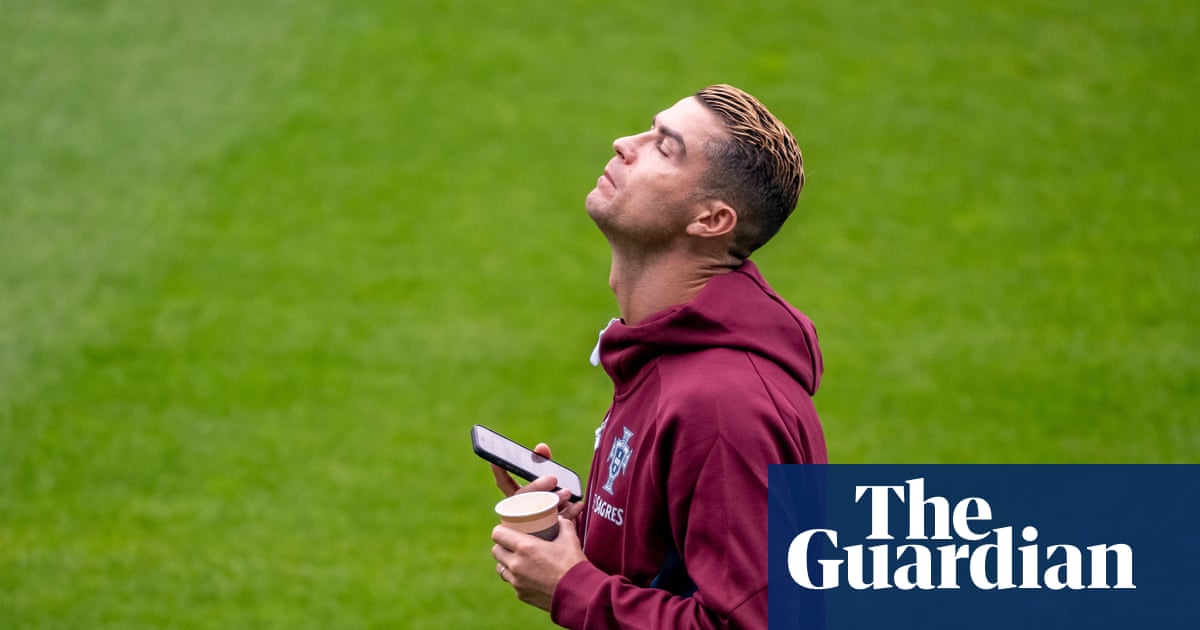
Visual evidence from the stadium showed Ronaldo exiting alongside two members of the backroom staff, a scene that underscored the abrupt nature of his withdrawal. Reports also indicated that his private jet was preparing for departure from Copenhagen, signaling the finality of his exit from this international window. The situation highlights the growing challenges faced by national teams in managing aging superstars whose expectations may no longer align with evolving tactical strategies.
At forty-one years old, Ronaldo has previously suggested that the current season could be his final year in professional football. As Portugal’s all-time leading goalscorer and most capped player, with 146 goals in 234 appearances, his status remains unparalleled. However, the shift toward younger attacking options like Ramos reflects a broader transition within the squad. The resolution of this conflict will likely influence not only the upcoming match against Denmark but also the future composition of the national team.
The immediate consequence is that Portugal must prepare for their Nations League clash without their most famous player. Jesus faces the task of managing the squad’s morale and tactical setup in Ronaldo’s absence, while also navigating the public relations fallout from the high-profile departure. The coming days will reveal whether this marks a temporary disagreement or a more permanent separation between the club legend and his national team.
Observers will be watching closely to see how the Portuguese Football Federation handles the aftermath of this split. The incident raises questions about the limits of authority for coaches managing players with immense global stature. As the match against Denmark approaches, the focus remains on whether the team can maintain its competitive edge without the veteran forward, and what Ronaldo’s next steps will be in his final chapter of professional football.
Sources behind this briefing
Go to the original reporting
- The Guardian US↗Cristiano Ronaldo walks out on Portugal after being dropped from starting lineup