The short version
- Donald Trump suggested during a rally that Iran might destroy Los Angeles and San Diego, sparking widespread outrage among residents and political figures in both cities.
- Critics across the political spectrum, including Governor Gavin Newsom and Republican veterans, condemned the remarks as irresponsible and potentially treasonous given the strategic importance of the areas.
- Local leaders argue the comments reflect a broader presidential fixation on undermining West Coast progressivism rather than addressing substantive national issues.
Donald Trump’s recent suggestion that Iran could eliminate Los Angeles and San Diego has triggered a wave of condemnation from residents, politicians, and military veterans across California. The remarks, made during a rally in Nebraska on Monday night, were met with shock and anger as people woke to another day of extreme heat in the region. While the president framed the scenario as a hypothetical possibility involving foreign adversaries, the reaction on the ground has been uniformly negative, with many viewing the comments as a dangerous escalation in rhetoric that trivializes the safety of American citizens.
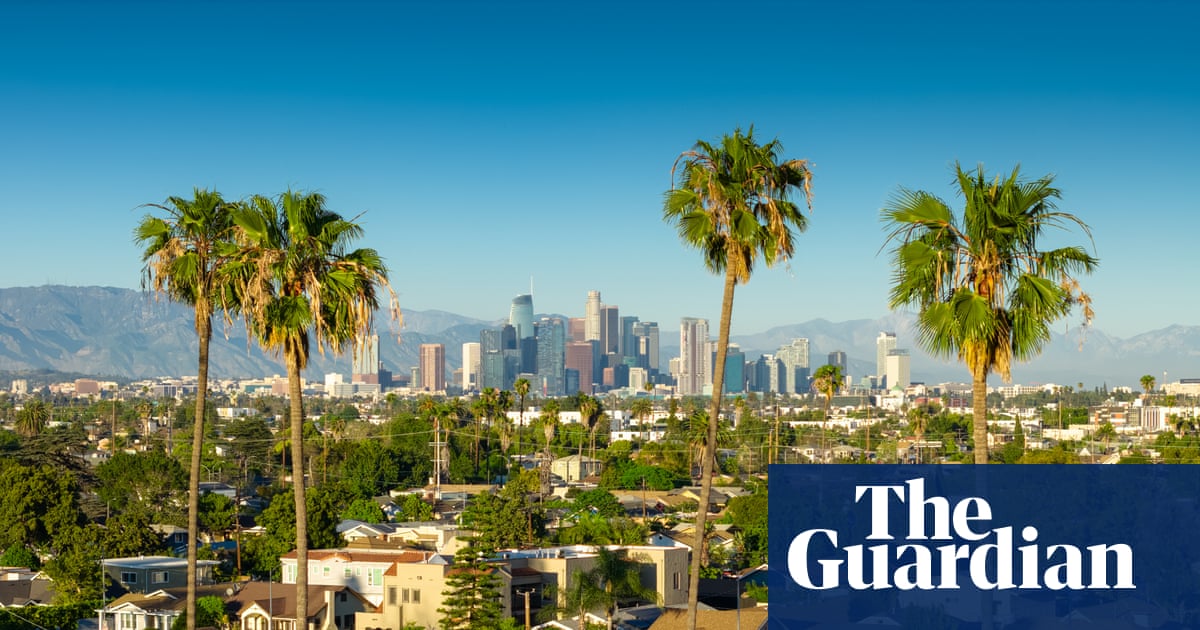
In Los Angeles, the response has been characterized by a mix of disbelief and frustration. Jessica, a hair stylist who asked to use only her first name due to concerns for her family’s safety, expressed deep dismay upon seeing the news on social media. She described the president’s attitude as hostile toward Democratic states and immigrant communities, noting that such rhetoric feels like a personal attack on the diversity that defines the city. Her reaction reflects a broader sentiment among Angelenos who feel targeted by federal policies and political discourse over the past several years.
Governor Gavin Newsom issued a sharp rebuke of the president’s words, labeling them dangerous and potentially treasonous. He emphasized that placing a target on two of the nation’s largest cities, one of which houses a major naval hub, is irresponsible leadership. Newsom’s criticism underscores the severity with which state officials view the implications of such statements, particularly given the strategic significance of Southern California’s infrastructure and population centers.
San Diego residents have reacted with particular intensity, given the city’s heavy military presence. Home to roughly 250,000 veterans and a quarter of all active-duty Marines, the region relies heavily on defense spending, which accounts for 22% of its gross regional product. Gil Field, communications director for San Diego Veterans for Peace, described the president’s comments as irrational and horrifying. He noted that while there are always concerns about military targets in wartime, suggesting that American cities should be sacrificed is a disservice to the community and contradicts the values of service members who protect them.
The criticism in San Diego has crossed party lines, with Republican naval veteran Jim Desmond also condemning the remarks. Desmond, who is running for Congress, stated that his duty was to keep Americans safe, not to treat cities as acceptable collateral damage. He emphasized that no American city is expendable and that families should never be viewed as secondary considerations in geopolitical conflicts. This bipartisan opposition highlights how the comments have alienated even those who might otherwise support the president’s broader agenda.
Local leaders in Los Angeles argue that the president’s focus on these cities stems from a desire to undermine West Coast progressivism and diversity. Jens Midthun, president of the downtown Los Angeles neighborhood council, described the remarks as evidence of an obsession with tearing down the region’s cultural and political identity. He pointed out that despite the negative portrayal in political speeches, Los Angeles remains a vibrant economic powerhouse enriched by diverse diaspora communities from around the world.
The timing of these comments has added to the tension, coinciding with a record-breaking heatwave that has already strained local resources and public patience. Residents like Midthun expressed frustration that the president continues to focus on attacking California rather than addressing pressing national issues. The juxtaposition of extreme weather conditions with inflammatory political rhetoric has only heightened the sense of instability and concern among those living in the affected areas.
As the debate continues, the incident serves as a stark reminder of the deep divisions within American politics and the impact of presidential rhetoric on public sentiment. While some may dismiss the comments as campaign strategy, others see them as a genuine threat to the safety and dignity of millions of Americans. The coming days will likely bring further analysis and reaction, but for now, the immediate response from California is clear: such suggestions are unacceptable and dangerous.
Sources behind this briefing
Go to the original reporting
- The Guardian World↗LA and San Diego residents ‘horrified’ by Trump’s comment: ‘obsessed with us’