The short version
- Senator Jim Justice calls for the administration to reassess its immigration tactics, citing concerns about overreach and negative impacts on rural communities.
- Major livestock associations warn that intense enforcement actions are creating a chilling effect on legal, skilled agricultural workers essential to beef production.
- Data from West Virginia suggests a significant portion of recent arrests involved individuals with no prior criminal history, fueling debates over the efficacy and fairness of current operations.
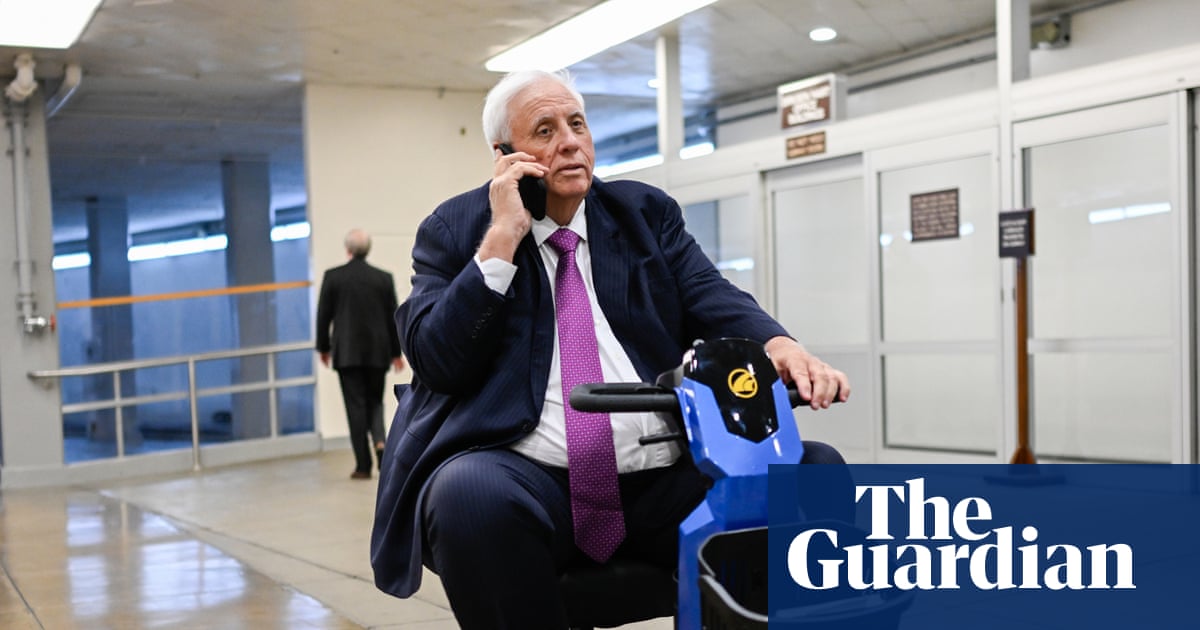
A prominent Republican senator has publicly urged the Trump administration to reconsider its aggressive approach to immigration enforcement, marking a notable fracture within the party’s base. Jim Justice, representing West Virginia, suggested that federal authorities should pause their current tactics to evaluate potential errors and adjust their strategy accordingly. His comments signal a growing unease among some conservative lawmakers regarding the practical consequences of strict border and interior enforcement policies.
Justice emphasized the need for accountability in government operations, stating that improvement requires acknowledging when actions may be misguided. He expressed concern that enforcement agents might become overly zealous, leading to the removal of long-term residents who have integrated into their communities over many years. This perspective challenges the administration’s signature policy platform, which has relied heavily on robust immigration crackdowns to satisfy voter demands for stricter border control.
The senator’s remarks follow a series of condemnations from major agricultural organizations across the United States. Representatives from the Kansas Livestock Association, Oklahoma Cattlemen’s Association, and Texas Cattle Feeders Association issued a joint statement highlighting the detrimental impact of Immigration and Customs Enforcement activities on rural economies. These groups argue that the current enforcement climate is causing significant disruption to the beef production sector and the broader cattle supply chain.
Specifically, these industry leaders point to a chilling effect on legal, documented workers who possess specialized skills necessary for modern farming operations. The uncertainty surrounding federal raids has made it difficult for ranchers to retain essential labor, threatening the stability of food production systems. This economic argument adds a new dimension to the political debate, shifting focus from purely ideological concerns about border security to tangible impacts on domestic food supply and agricultural profitability.
Dairy farmers are also voicing similar anxieties about the trajectory of federal enforcement in rural areas. Rick Naerebout, head of the Idaho Dairymen’s Association, warned that a concentrated effort to target agricultural workers could severely compromise the nation’s ability to produce sufficient food. His comments underscore the widespread nature of this concern, extending beyond cattle ranching to other critical sectors of the farming industry that rely heavily on immigrant labor, both documented and undocumented.
Data from West Virginia provides further context for Justice’s position. An investigation by the American Civil Liberties Union revealed that approximately three-quarters of the more than 593 individuals arrested during a specific operation in January had no criminal record. This statistic challenges the narrative that enforcement efforts are primarily targeting dangerous criminals, suggesting instead that many arrests involve individuals with clean backgrounds who have lived in their communities for extended periods.
Justice’s stance aligns him with other Republicans who are beginning to distance themselves from the administration’s hardline immigration rhetoric ahead of upcoming midterm elections. Congresswoman Maria Elvira Salazar of Florida recently released campaign materials criticizing the extent of enforcement efforts, indicating that this dissent is not isolated but part of a broader trend within the party. These internal conflicts may reshape the political landscape as lawmakers balance loyalty to the president with the practical concerns of their constituents.
West Virginia’s agricultural sector remains a key factor in this debate, with over 22,700 ranchers operating mostly family-owned businesses in the state. The potential disruption to these operations could have lasting economic repercussions for rural communities that depend on farming and livestock production. As the administration faces increasing pressure from both industry leaders and political allies, the question of how to balance enforcement goals with economic stability becomes increasingly urgent.
The White House has not yet responded to requests for comment regarding Justice’s criticisms or the broader backlash from agricultural groups. However, the mounting pressure suggests that the administration may need to recalibrate its approach to avoid alienating key segments of its base. The coming months will likely see continued tension between the desire for strict immigration control and the practical realities of maintaining a functional agricultural workforce.
This developing situation highlights the complex interplay between policy enforcement and economic impact in rural America. As more Republicans voice concerns about the methods and outcomes of current immigration strategies, the administration faces a difficult balancing act. The resolution of this conflict could have significant implications for future policy decisions and the political fortunes of both the president and his congressional allies.
Sources behind this briefing
Go to the original reporting
- The Guardian US Politics↗Republican urges Trump administration to ‘step back’ and rethink immigration agenda