The short version
- Protests and vigils in Antigua are demanding reparatory justice from King Charles III and Prime Minister Andy Burnham ahead of the Commonwealth heads of government meeting.
- While the UK government has ruled out financial liability, it has signaled openness to listening to calls for a formal apology through structured dialogue.
- Caribbean leaders describe the summit as a critical juncture for reparations negotiations, even though the topic remains off the official agenda.
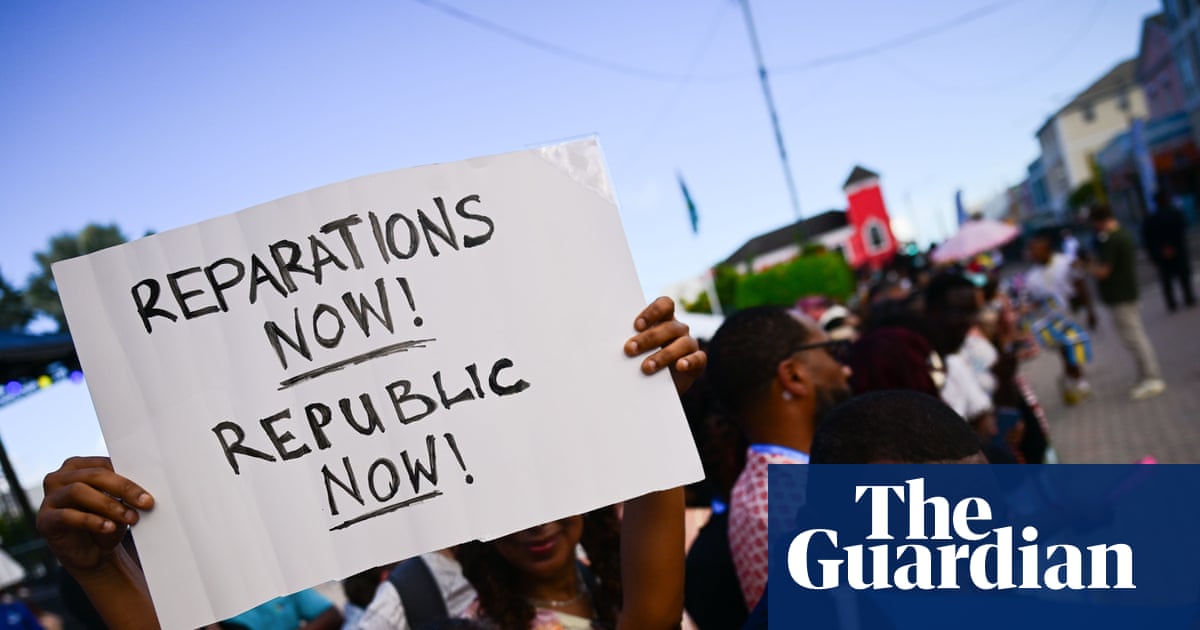
The upcoming Commonwealth heads of government meeting in Antigua and Barbuda is set to be overshadowed by intense public demonstrations demanding accountability for the transatlantic slave trade. Activists have organized a series of events, including billboards, placards, T-shirts, letters, and a candlelight vigil, all designed to ensure that British leaders cannot ignore the issue during their visit to St John’s. The central message from these campaigners is clear: they view this gathering as an opportunity to confront the United Kingdom regarding its historical role in enslaving millions of Africans and colonizing African and Caribbean nations.
James Knight, representing Citizens for Reparatory Justice, stated that the demonstrations are a necessary response to what he described as an insulting announcement from the British government and King Charles III. According to Knight, the decision to declare there will be no apology or reparations before arriving at a meeting where such matters have been requested is deeply insensitive. He emphasized that the protests aim to express deep indignation at this stance, arguing that the issue of reparatory justice is one that Caribbean nations are determined to pursue regardless of official resistance.
Despite the firm position against financial compensation, UK Prime Minister Andy Burnham has taken a step further than previous leaders by publishing an article in The Guardian. In it, he offered a structured dialogue with those affected by the slave trade and stated he is open to listening to calls for a formal apology on behalf of the British state. However, this gesture falls short of the demands set by campaigners like Knight. Burnham maintained that contemporary British citizens should not be held liable for historical wrongs, reinforcing the government’s long-standing refusal to pay reparations.
The Commonwealth summit, typically a collegial gathering of leaders from 56 member countries, will be surrounded by events focused on reparations. Although these issues are not part of the official agenda, organizers have launched a global reparations caravan intended to combine advocacy, demonstrations, and culture. This initiative aims to make the topic difficult for attendees to bypass. Hilary Beckles, chair of the Caribbean Community reparations commission, described the gathering as the first round of reparations negotiations and emphasized that the absence of a dedicated official event does not diminish the priority of the issue.
Beckles noted that reparatory justice is the number one item for Caribbean nations at this meeting. He characterized the summit as the Chogm of reparations, suggesting that the location in the Caribbean inherently elevates the importance of these discussions. Various organizations supporting the reparations movement, including the Repair Campaign, Leigh Day law firm, Open Society Foundations, TrustAfrica, and the UK’s all-party parliamentary group for Afrikan reparations, plan to convene outside the main meeting to discuss the matter. Caribbean leaders are also expected to push the issue during closed-door sessions.
Efforts to secure unanimous Commonwealth agreement for foreign ministers to advance discussions on historical harms through structured dialogue have so far failed. The Caricom reparations commission revealed that they were unable to achieve this consensus, highlighting the diplomatic challenges involved in addressing these historical grievances. Meanwhile, Buckingham Palace has attempted to distance the monarch from government policy on reparations. A letter seen by The Guardian stated that questions regarding the UK’s position on reparations are matters for the British government, not the monarchy.
This response followed a letter from Dorbrene O’Marde, chair of the Antigua and Barbuda reparations support commission, who criticized blanket statements against apologies from both the government and the monarchy as shameful. O’Marde argued that despite strong declarations about the suffering caused by slavery and calls for acknowledgment, there has been no progression toward action. He suggested that the UK relies on verbal gymnastics to avoid making an apology, noting that officials appear schooled not to admit fault.
Looking ahead, the tension between official British policy and Caribbean demands is likely to remain a focal point of the summit. While the UK government maintains its stance against financial liability, the growing international support for reparations and the visibility of protests in Antigua suggest that the issue will continue to gain traction. The outcome of these interactions may set the stage for future negotiations and influence how historical injustices are addressed within the Commonwealth framework.
Sources behind this briefing
Go to the original reporting
- The Guardian World↗‘Reparations now’: King and Burnham face protests at Antigua Commonwealth summit