The short version
- Avanti West Coast distributed more than £20 million in passenger refunds between May and August, a figure that rivals its annual profits from previous years.
- Total compensation claims across the UK rail network rose nearly 10 percent to 9.1 million in 2026, with approval rates remaining high at 80 percent.
- Operators attribute rising costs to extreme weather events, infrastructure failures, and increased passenger awareness of automatic refund schemes.
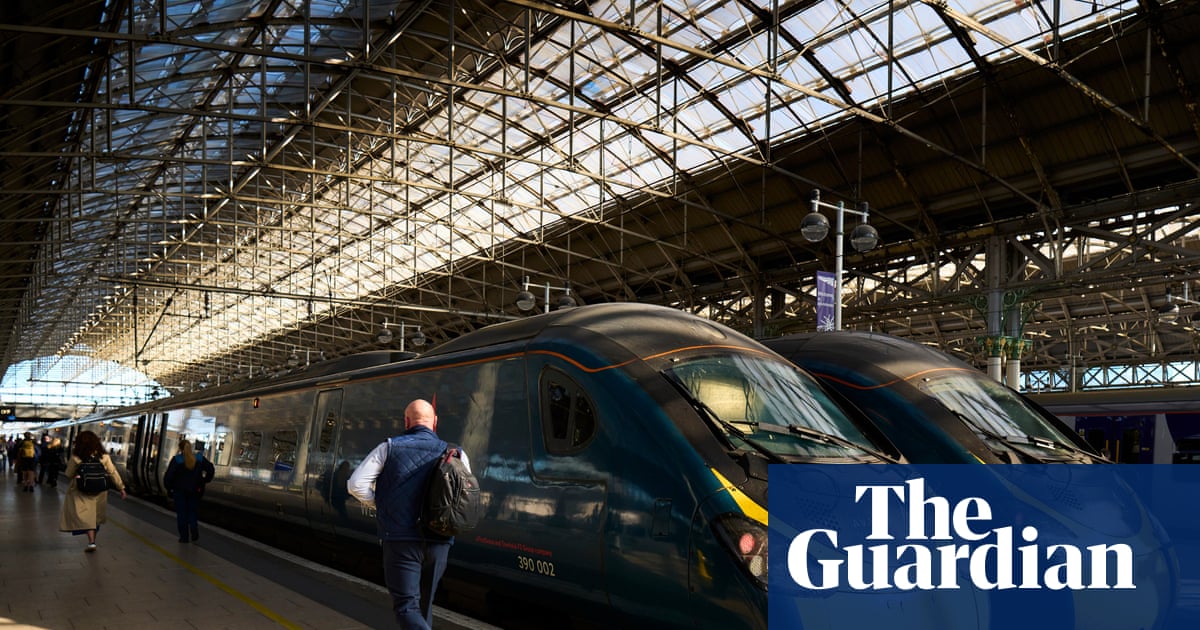
Avanti West Coast has distributed more than £20 million in refunds to passengers over a three-month summer period, marking a significant escalation in compensation costs for Britain’s intercity rail services. The operator paid out approximately £9.3 million in the four weeks leading up to late July, an amount comparable to its annual profits for each of the preceding two years. A further £12.2 million was disbursed in the subsequent eight weeks. This surge contributes to a projected total compensation bill exceeding £70 million for the current financial year, reflecting broader trends of increased disruption and higher claim volumes across the national railway network.
The rise in payouts is part of a wider industry pattern where compensation costs have climbed steadily. Official figures from the Department for Transport indicate that total passenger compensation for delays reached £150 million across all operators in the 2024-25 period, an eight percent increase from the previous year. Avanti accounted for roughly 27 percent of this total, paying out £40.5 million during that timeframe. While most train operators have not yet published their latest financial data, Avanti’s figures highlight the growing financial burden associated with service reliability issues.
Several factors are driving the increase in compensation claims. Fare inflation has raised the monetary value of individual refunds, while concerted efforts to inform passengers about their rights have led to higher participation in delay repayment schemes. The process for claiming compensation has become increasingly automated, with some operators now proactively issuing refunds to affected travelers without requiring manual applications. This shift toward automation aims to streamline the process and maintain customer confidence despite service interruptions.
Operational challenges played a central role in the summer disruptions. Heatwaves severely impacted railway infrastructure, leading to track defects, points failures, speed restrictions, and issues with train cooling systems. During July, fewer than half of Avanti’s trains ran on time, with passengers experiencing an average delay of 19 minutes. Specific incidents, such as a large herd of cows entering the tracks for several hours, further contributed to the disruption. Avanti stated that it was directly responsible for only 23 percent of these delays, attributing the majority to Network Rail, other operators, or external factors like trespassing.
The structure of rail funding has also evolved since the pandemic, with train operators receiving fees from the Department for Transport rather than relying on fare revenue. Under this model, taxpayers absorb any profits or losses related to ticketing income and refunds. Avanti is scheduled to be taken into public ownership next year as part of the formation of Great British Railways. This transition aims to simplify compensation processes, with plans to introduce an easier-to-use service for claiming refunds under the new unified system.
Other major operators are also facing increased compensation liabilities. Great Western Railway and London North Eastern Railway were among the highest refunders in 2025, paying back £29.7 million and £28 million respectively. GWR cited repeated heatwaves and unprecedented temperatures as primary drivers for its rising costs, noting that these conditions affected both trains and infrastructure. The operator emphasized that maintaining transparency through frequent announcements and social media updates helps preserve passenger trust during periods of disruption.
Data from the Office of Rail and Road shows that the total number of compensation claims filed across Great Britain reached 9.1 million in 2026, up nearly 10 percent year on year. Approximately 80 percent of these claims were approved. Long-distance operators typically handle the largest sums because passengers are more likely to claim when fares are expensive and delays exceed the 60-minute threshold for full refunds. Avanti and GWR are notable for offering partial refunds after just 15 minutes, whereas LNER compensates only after 30-minute delays.
Despite the high volume of claims, resolution times have improved significantly. Most train operators now resolve more than 99 percent of claims within 20 days, according to rail regulator data. Research from the Department for Transport suggests that about half of disrupted passengers claim compensation, with an increasing number expressing satisfaction with the process and outcomes. A spokesperson for the department stated that efforts are underway to tackle the root causes of disruption while making it quicker and easier for passengers to receive refunds under the upcoming Great British Railways framework.
Sources behind this briefing
Go to the original reporting
- The Guardian World↗Avanti West Coast paid out £20m in ‘delay repay’ passenger refunds this summer