The short version
- The Environment Agency objects to the development, citing immediate dangers to human life from flooding and unacceptable risks of water contamination.
- Critics highlight that evacuation routes rely on forest tracks near watercourses, which would likely become impassable during heavy rainfall events.
- Local residents and conservation concerns focus on potential harm to wildlife habitats and the quality of streams used for recreation.
A major development proposal for Hamsterley Forest in County Durham has faced a formal objection from the Environment Agency, which argues that the plans present a clear danger to human life. The regulatory body contends that the designated site for a new campsite lies within a floodplain at the bottom of a valley, creating conditions where visitors could be trapped during severe weather events. This intervention marks a significant hurdle for Forestry England and Forest Holidays, who have submitted applications to transform parts of the woodland into a commercial leisure destination.
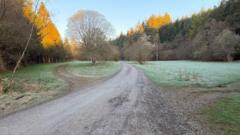
The core of the regulatory concern centers on the physical layout of the proposed camping area. According to the agency’s assessment, standard flood warnings would likely arrive too late to facilitate a safe evacuation of all campers. The primary exit routes from the site consist of forest tracks that run alongside or cross small watercourses. In the event of heavy rain, these paths could become hazardous or completely impassable, leaving guests stranded in rising waters. The agency emphasized that this configuration creates an unacceptable risk to both life and property.
Beyond the immediate safety concerns regarding flooding, the Environment Agency raised serious objections related to environmental protection. The plans include the use of a non-mains foul water drainage system, which regulators argue poses an unacceptable risk of polluting local waterways. Specifically, there are fears that wastewater could contaminate Bedburn Beck and Euden Beck, streams that flow through the area. The agency noted that insufficient consideration has been given to how these discharges might degrade water quality, potentially impacting ecosystems downstream.
Local residents have echoed these environmental anxieties, with some noting direct personal stakes in the outcome of the planning decision. Marc Shepherd, a resident whose garden is traversed by Bedburn Beck, expressed concern that his family’s recreational use of the stream could lead to illness if wastewater were discharged into the watercourse. His testimony underscores the broader community apprehension about how industrial-scale leisure facilities might alter the natural character and safety of the local environment.
The proposed development is extensive, encompassing seventy cabins, a campsite, dining facilities, retail spaces, and staff accommodation. Forestry England intends to utilize former farmhouse land for the camping ground and new visitor infrastructure, while Forest Holidays plans to construct cabins within sections of commercial woodland. Additionally, Adventure Forest has submitted separate plans for a treetop rope course in Windy Bank Wood. Together, these projects represent a significant shift in how this nearly 5,000-acre woodland is managed and accessed by the public.
Hamsterley Forest, established by Forestry England in the 1920s, has long served dual purposes as a site for timber production and a popular destination for walkers and cyclists. The introduction of large-scale commercial amenities raises questions about the balance between economic development and conservation. The Environment Agency pointed out that the current applications lack adequate information regarding the potential impact on local wildlife, particularly species such as water voles and otters. There is also concern about noise and disturbance affecting existing habitats.
Durham County Council has acknowledged the gravity of the regulator’s objections but declined to comment extensively while the application remains live. Planning manager Stephen Reed stated that all issues raised by the Environment Agency would be carefully considered alongside other responses during the planning process. This procedural stance leaves the final decision pending, with no immediate indication of whether the developers will revise their plans to address the safety and environmental concerns.
The opposition to the project reflects a broader tension in rural land management between generating revenue through tourism and preserving ecological integrity. With hundreds of objections already recorded against the £36 million scheme, the planning authority faces pressure to weigh economic benefits against documented risks. The Environment Agency has recommended relocating the entire campsite to an area with lower flood risk, suggesting that the current design is fundamentally flawed in its approach to safety.
As the review process continues, stakeholders await clarification on how the developers intend to mitigate the identified hazards. Without substantial modifications to address the floodplain location and drainage systems, the project may face rejection or significant delays. The outcome will likely set a precedent for how similar developments are evaluated in sensitive environmental zones across the region.
For now, the forest remains open to its traditional users, but the shadow of potential construction looms over the landscape. The debate highlights the increasing scrutiny placed on large-scale leisure projects that intersect with vulnerable natural systems. Whether the plans will be approved, modified, or denied depends on how effectively the applicants can respond to the regulator’s stringent safety and environmental standards.
Sources behind this briefing
Go to the original reporting
- BBC Science & Environment↗Agency says forest campsite could 'risk life'

