The short version
- Only sixty percent of participating facilities successfully masked and isolated simulated patients during an unannounced drill.
- Staff frequently failed to ask specific questions about animal exposure, despite clear cues provided by actors.
- Inconsistent use of personal protective equipment among clinicians raised concerns about transmission risks in waiting areas.
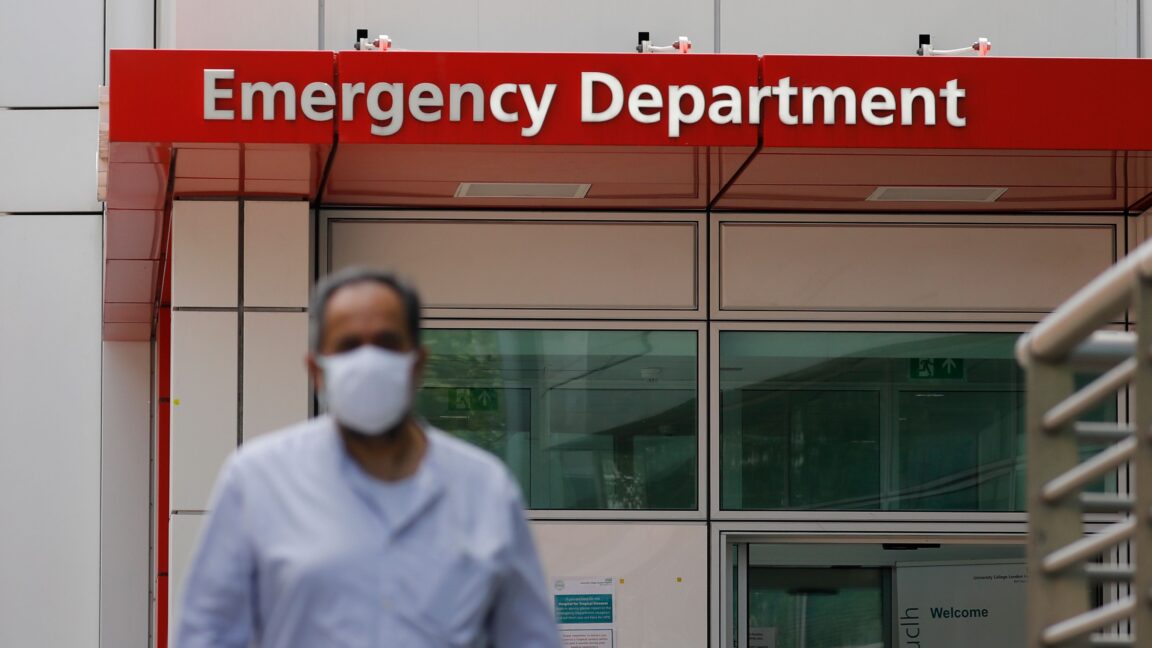
A comprehensive test of regional healthcare readiness has exposed significant vulnerabilities in the initial response to potential pandemic threats. Health officials in New York orchestrated a series of unannounced drills between January and June 2026, deploying actors to seventy-three facilities across New York City, upstate New York, New Jersey, and the U.S. Virgin Islands. The exercise aimed to evaluate how quickly and effectively medical staff could identify, mask, and isolate individuals presenting with symptoms suggestive of a high-consequence infectious disease.
The results were largely discouraging. Only forty-four of the seventy-three facilities, representing sixty percent, met the basic criteria for passing the drill by both masking the patient and moving them to an isolation room. While this might appear acceptable at first glance, it constitutes a failing grade in the context of public health emergency preparedness. The failures were not evenly distributed; emergency departments performed slightly worse than outpatient clinics and urgent care centers, with only about fifty-five percent of ERs successfully completing both required actions.
The drill utilized professional actors trained to mimic symptoms of an H5 bird flu infection, a virus type considered to have pandemic potential. These individuals presented with fever, weakness, and conjunctivitis, using makeup and eye drops to enhance the realism of their condition. Crucially, each actor volunteered a specific narrative: they had recently handled a sick duck found in a park without wearing gloves, and the bird subsequently died. This detail was designed to trigger inquiries about avian exposure, a key diagnostic clue for health workers.
Despite these clear indicators, staff at only seven of the seventy-three facilities asked questions specifically related to bird flu exposure. The vast majority of clinicians missed this critical opportunity to gather epidemiological data that could have accelerated the identification of a potential outbreak. While ninety-three percent of facilities did screen the actors for general symptoms like fever and cough, the failure to probe deeper into the source of illness suggests a gap in clinical suspicion or training regarding zoonotic diseases.
Timing was another major area of concern. For those facilities that did manage to mask and isolate the patients, speed was often lacking. Fewer than half achieved masking within one minute of the patient’s arrival, and less than half moved the individual to an isolation room within ten minutes. The median time to mask was two minutes, while the median time to isolation was eleven minutes. In some outpatient clinics, the process took significantly longer, with at least one facility taking nearly an hour to isolate the simulated patient.
The safety of healthcare workers themselves was also called into question by the findings. Clinicians interacting with the actors displayed inconsistent adherence to recommended personal protective equipment protocols. Only twenty-five percent of staff wore the full suite of recommended gear, including gloves, masks, gowns, and eye protection. Conversely, six percent wore no protective equipment at all, and nineteen percent failed to wear a mask or respirator. This lack of compliance increases the risk of infection transmission among medical personnel.
Internal communication protocols also showed weaknesses. Recommended procedures dictate that staff should notify internal Infection Prevention and Control teams when encountering potentially infectious patients. However, only fifty-five percent of facilities reported notifying or planning to notify these specialized staff members. The authors of the study, published in the Morbidity and Mortality Weekly Report, emphasized that waiting areas can become high-risk zones for virus transmission if such measures are not implemented promptly and correctly.
It is important to note that these findings may actually overestimate the region’s true level of preparedness. Not all invited facilities agreed to participate in the drills, and those that declined might have performed even worse. Additionally, while the exercises were intended to be unannounced, some locations may have received advance warning, potentially boosting their performance scores. The study authors concluded that there is an urgent need for enhanced training to ensure earlier identification, masking, and isolation of febrile patients with potential pandemic threats.
The lessons from this drill come at a critical time, following the global disruptions caused by the COVID-19 pandemic, which highlighted systemic weaknesses in health infrastructure. While national and global strategies are often discussed, local execution remains the first line of defense against emerging pathogens. The data suggests that without immediate improvements in training and protocol adherence, healthcare facilities remain vulnerable to rapid spread during the early stages of an outbreak.
Moving forward, health officials will likely focus on addressing the specific gaps identified in this study. This includes reinforcing the importance of detailed patient history taking, particularly regarding animal exposures, and ensuring strict compliance with PPE usage. The findings serve as a stark reminder that preparedness is not static and requires continuous evaluation and improvement to protect both patients and healthcare workers from future infectious disease threats.
Sources behind this briefing
Go to the original reporting
- Ars Technica↗Patient-zero drill put health facilities to the test—40% of them failed