The short version
- Amazon pledged over $1 billion for communities near data centers while ending nondisclosure agreements to increase transparency.
- Environmental advocates criticize the plan for omitting details about a massive new power plant in Texas expected to generate significant emissions.
- Critics argue the financial commitment is negligible compared to Amazon’s total infrastructure spending and fails to address core pollution concerns.
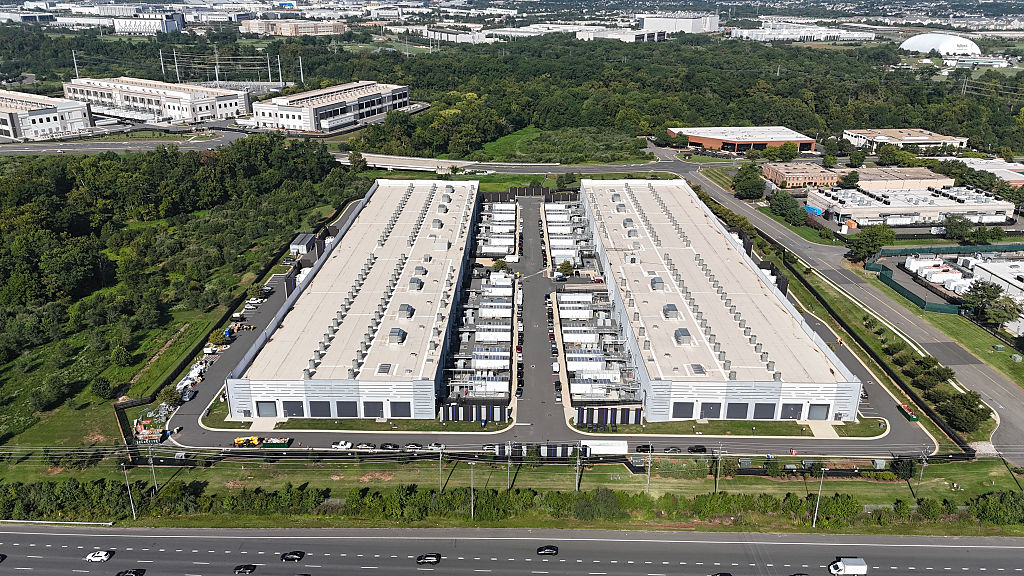
Amazon Web Services has announced a new initiative designed to ease tensions with communities hosting its expanding data center network. The company committed to donating more than $1 billion over the next five years to support local priorities in areas adjacent to these facilities. This financial pledge accompanies a policy shift ending the use of nondisclosure agreements during the construction process, a move intended to foster greater transparency between the corporation and residents.
Matt Garman, CEO of Amazon Web Services, stated that communities would have autonomy in deciding how to allocate these funds. The money can be directed toward education, job training, energy affordability, water preservation, and other local needs. Garman emphasized that the company aims to ensure data centers do not increase local power bills or deplete water supplies. He also highlighted a goal to become 'water positive' by 2030, claiming that three-quarters of current projects have already achieved this status.
The announcement comes amid growing public resistance to the rapid expansion of artificial intelligence infrastructure. Garman framed the backlash as being fueled by misinformation and foreign disinformation campaigns seeking to hinder American technological progress. He argued that calls for moratoriums on new data centers could allow competitors like China to gain an advantage in frontier AI development. The company’s strategy appears aimed at reassuring the public that expansion can proceed safely while addressing legitimate community concerns.
However, environmental organizations have responded with sharp criticism, dismissing the initiative as inadequate damage control. Stand.Earth, a global nonprofit advocating for environmental protections, described the announcement as misleading corporate propaganda. The group argued that the pledge fails to address the most significant harms caused by Amazon’s build-out, particularly regarding air pollution and energy consumption. They characterized the donations as a minimal cost to continue exploiting communities rather than a genuine effort to remediate damage.
A central point of contention is Amazon’s involvement in constructing a new power plant in Pecos, Texas. Experts project this facility will become the largest source of climate pollution in the United States. Stand.Earth noted that Amazon’s community commitments make no mention of this plant or its environmental impact. The facility is expected to emit 33 million tons of harmful air pollution annually, using energy equivalent to what powers more than 1.9 million homes. Critics argue that ignoring this massive emission source undermines the company’s claims about investing in carbon-free energy.
Disputes also surround the operational reality of data center backup generators. Amazon has stated that most generators remain idle, running for only about ten hours per year. This narrative is intended to alleviate fears regarding diesel emissions and noise pollution in residential areas. However, Stand.Earth cited instances where Amazon facilities relied on diesel backup power for days at a time. These discrepancies suggest that the actual environmental footprint of these operations may be more severe than the company’s public statements indicate.
The scale of the financial commitment has also drawn scrutiny. Garman noted that Amazon contributed a similar amount to data center communities over the previous three years. Critics point out that this sum is negligible compared to the company’s overall infrastructure spending. With Amazon investing $220 billion in data centers in 2026 alone, the $1 billion community pledge represents a tiny fraction of total expenditure. Advocates argue this disparity reveals a lack of proportional responsibility for the environmental and social costs imposed on host communities.
While the elimination of nondisclosure agreements is viewed as a positive step toward transparency, many fundamental issues remain unresolved. Stand.Earth highlighted that the water restoration promises do not account for the massive water footprint associated with the energy infrastructure powering the data centers. Additionally, concerns persist regarding potential contamination from emerging cooling technologies that may release forever chemicals into local ecosystems. These unaddressed risks suggest that community trust may not be easily restored through financial pledges alone.
The debate underscores a broader conflict between rapid technological expansion and environmental stewardship. As Amazon pushes forward with its infrastructure plans, the company faces increasing pressure to demonstrate tangible accountability beyond public relations initiatives. The effectiveness of this new strategy will likely depend on whether it can address the specific, localized harms identified by residents and advocates. Until then, skepticism regarding the sincerity and sufficiency of these commitments is expected to persist.
Looking ahead, the outcome of this initiative may influence how other tech giants approach community relations in their own expansion efforts. If Amazon’s model fails to quell opposition, it could signal a need for more comprehensive regulatory frameworks or stricter corporate accountability measures. The coming months will reveal whether financial contributions and transparency pledges are sufficient to mitigate the growing backlash against data center proliferation.
Sources behind this briefing
Go to the original reporting
- Ars Technica↗Amazon’s $1B plan to combat data center backlash draws more backlash