The short version
- Tom Watson, founder of Futura Energy Group, is alleged to have operated an X account that doxxed RNLI workers and diversity advocates.
- The campaign involved scraping professional data to create a database targeting individuals involved in Channel rescue operations and minority hiring.
- Targets report significant distress and police involvement, while critics argue the activity undermines community safety and organizational effectiveness.
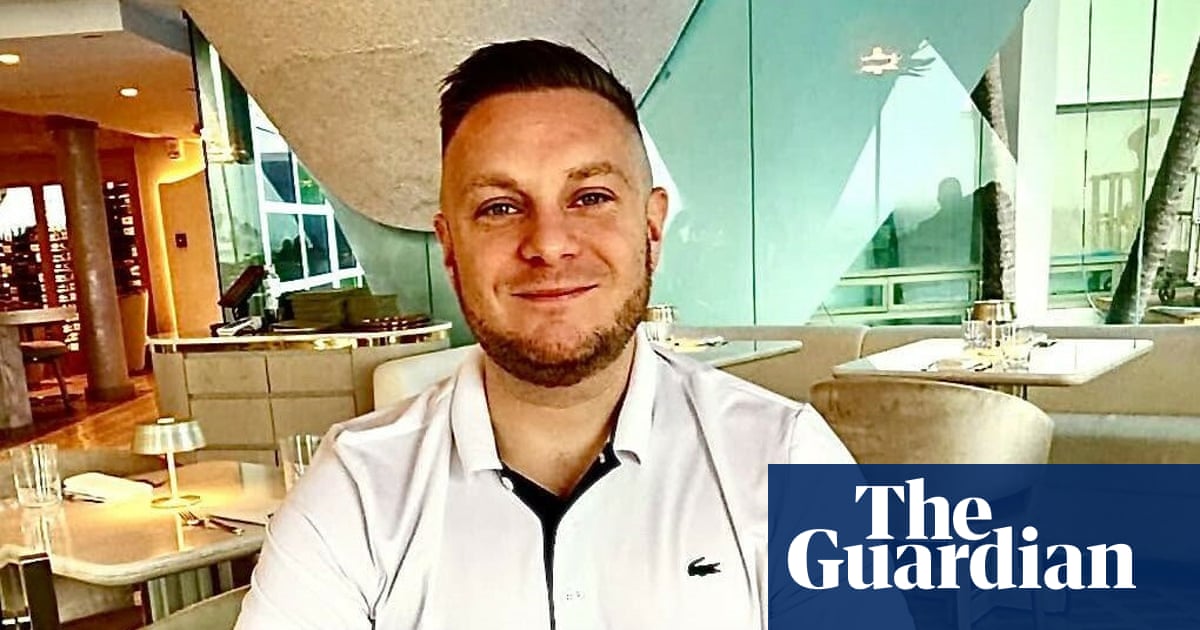
A recruitment firm executive based in Worcester has been identified by campaigners as the likely operator behind a coordinated online harassment campaign targeting staff at the Royal National Lifeboat Institution (RNLI) and advocates for racial equality. The allegations center on Tom Watson, founder of Futura Energy Group, who is accused of managing an X account known as Big Time Charlie. This account gained prominence in recent weeks by publishing private information about individuals involved in rescuing migrants crossing the English Channel, as well as business leaders who prioritize hiring from black, Asian, and minority ethnic backgrounds.
The campaign appears to have utilized artificial intelligence tools to scrape professional data from platforms such as LinkedIn. This harvested information was compiled into a database referred to as Traitorbase, which listed names and personal details of those deemed targets by the account’s operator. The RNLI staff faced intense scrutiny and abuse online after far-right activists directed their anger toward the organization for its humanitarian rescue efforts. The digital harassment extended beyond the lifesaving charity to include local politicians and corporate executives who support diversity initiatives.
Hope Not Hate, a campaign group monitoring extremism, publicly named Watson as the individual behind the Big Time Charlie account. Following this disclosure and subsequent inquiries from news organizations, the X profile was deactivated. Prior to its removal, the account had amassed nearly 50,000 followers and maintained a history of posting content aligned with hard-right political figures. The account frequently expressed support for Rupert Lowe, a prominent right-wing MP, and claimed financial contributions to his Restore Britain party. It also indicated membership in the Cromwell Club, a donor group associated with that political movement.
Evidence linking Watson to the anonymous account includes archived records showing the profile originally bore his name. Additionally, the account regularly referenced locations consistent with Watson’s professional movements. For instance, posts from July indicated the user was in Zurich and shared photographs taken at the Vitznauerhof hotel. Two days later, Watson posted similar images from the same location on his own LinkedIn profile. The account also frequently mentioned being in Puerto Rico, which aligns with Futura Energy Group’s stated base of operations according to its corporate social media presence.
The impact of these actions has been felt by individuals across various sectors. Chantelle Lunt, a Green Party councillor in Merseyside, reported that her personal details were published on a spreadsheet alongside other activists involved with Stand Up to Racism. She filed a police report after discovering the exposure, noting the severe anxiety caused by seeing strangers engage with and encourage the dissemination of her private information. Lunt described the current climate as horrendous, emphasizing the danger when such data is actively circulated among hostile groups.
Other targets included business owners whose executives were named for their involvement in minority hiring practices. One targeted entrepreneur described the experience as bizarre and unpleasant, noting that while no immediate physical harm occurred, the intrusion was unexpected and distressing. The individual highlighted the unfair burden placed on business leaders who must now contend with such digital aggression simply for adhering to inclusive hiring standards. This reflects a broader pattern of intimidation aimed at discouraging corporate diversity efforts.
Charity representatives have condemned the campaign as a cynical attempt to spread misinformation and sow division within communities. They argue that these tactics distract organizations from their core missions of helping vulnerable populations. The time and resources spent combating bigotry and correcting false narratives detract from direct program work that improves lives in the UK. Critics assert that social media platforms, media outlets, and political leaders share a responsibility to clamp down on such divisive content.
The incident underscores growing concerns about the intersection of professional data privacy and online extremism. As recruitment firms like Futura Energy Group operate in specialized sectors such as artificial intelligence talent acquisition, the potential for misuse of professional networks becomes more pronounced. The rapid deactivation of the account following public exposure suggests a reactive approach by platforms rather than proactive prevention. Legal and ethical questions remain regarding how effectively current regulations protect individuals from coordinated digital harassment campaigns.
What comes next involves ongoing investigations into the extent of the data breach and the legal liabilities of those involved. Authorities are likely to assess whether criminal thresholds for harassment and data misuse have been met. Meanwhile, organizations targeted by such campaigns are reviewing their security protocols to better shield staff from similar attacks. The case highlights the urgent need for clearer guidelines on platform accountability when users leverage automated tools to facilitate real-world intimidation.
This situation also reflects broader societal tensions surrounding immigration and diversity in the UK. The targeting of RNLI staff specifically links humanitarian aid with political controversy, illustrating how charitable acts can become flashpoints for ideological conflict. As digital tools make it easier to aggregate and disseminate personal information, the vulnerability of public servants and private citizens alike increases. The response from civil society groups indicates a growing awareness of these threats and a demand for stronger protections against organized online abuse.
Sources behind this briefing
Go to the original reporting
- The Guardian World↗Recruitment boss accused of being behind ‘doxxing’ campaign against RNLI and anti-racism activists