The short version
- More than a quarter of the original Central Committee members were absent from the fifth plenum, marking the highest number of empty seats in modern Chinese history.
- The purges have significantly reduced the Central Military Commission to just two members, with Zhang Shengmin promoted as the sole military representative on the politburo.
- Analysts note that the widespread removals may limit the pool of suitable candidates for promotion at the upcoming 21st Party Congress in 2027.
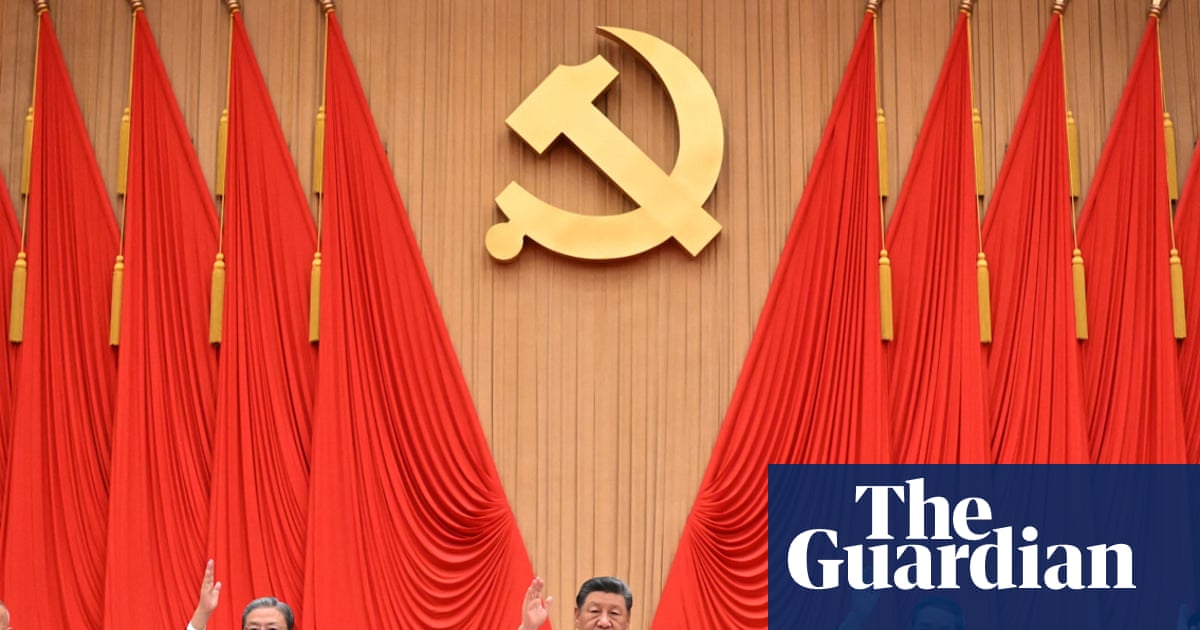
The conclusion of China’s fifth plenum this week was defined by an unprecedented absence of key figures, signaling a dramatic escalation in internal disciplinary actions under President Xi Jinping. A record thirty-three members were expelled from the Chinese Communist Party during the gathering, leaving more than twenty-five percent of the original Central Committee cohort unrepresented. This marks the highest number of vacant seats at such a high-level meeting in modern Chinese history, serving as a stark visual indicator of the scale of recent political purges.
The attendance figures reveal a significant contraction in the party’s upper echelons. Only two hundred seventy-nine full and alternate members of the Central Committee were present, down from the three hundred seventy-six originally named in 2022. While some absences remain unexplained, the confirmed expulsions include high-profile officials such as Zhang Youxia, formerly the second-in-command in the military hierarchy, and Ma Xingrui, the former party secretary for Xinjiang. These removals underscore a shift toward targeting individuals at the very top of both the party and state apparatus.
The theme of the plenum was party governance, reflecting Xi’s long-standing focus on rooting out corruption since assuming power in 2012. However, the intensity of the campaign has increased markedly in recent years. Earlier this year, Xi described the fight against corruption as a never-ending journey and called for the uprooting of sick trees within the ranks. This rhetoric suggests growing frustration with perceived lapses in discipline among those who wield absolute authority over Chinese society and the state.
The impact on the military leadership has been particularly severe. A series of purges has effectively gutted the seven-man Central Military Commission, the ruling body of the People’s Liberation Army. The commission now consists of only two members: Xi Jinping himself and Zhang Shengmin, the military’s anti-graft chief. Zhang was promoted to the politburo during this week’s plenum, making him the sole military member of the party’s highest ruling body. This consolidation of power raises questions about the balance between civilian oversight and military influence within the central leadership.
Observers have noted that the focus on strict internal discipline may serve dual purposes. Neil Thomas, a senior fellow at the Asia Society thinktank, suggested that the empty seats highlight Xi’s vision for rigorous party control. However, the targeting of high-ranking officials has led to speculation about whether the anti-corruption campaign is also being used to remove political rivals or punish disloyalty. The line between genuine disciplinary action and political consolidation remains blurred, adding complexity to the interpretation of these events.
The plenum also set the stage for the 21st Party Congress, which is expected to take place in the second half of 2027. This five-year cycle will see Xi Jinping likely secure a fourth term as party leader, positioning him as the longest-ruling leader of Communist China since Mao Zedong. The congress will involve refreshing the ranks of the Central Committee and the politburo, but the extensive purges may complicate this process. Many analysts believe that the wide-ranging nature of the recent expulsions has left few suitable candidates available for promotion to senior roles.
The implications of these personnel changes extend beyond immediate leadership adjustments. The reduction in the number of experienced officials could affect policy continuity and decision-making processes within the party. As Xi consolidates his authority, the remaining members of the Central Committee may face increased pressure to align closely with his directives. The absence of dissenting voices or alternative power centers could lead to a more centralized form of governance, potentially impacting how China addresses domestic and international challenges in the coming years.
While the official narrative emphasizes the necessity of strict discipline to maintain party integrity, the scale of the purges suggests a deeper restructuring of the political landscape. The removal of key figures from both the military and regional leadership positions indicates a comprehensive effort to eliminate potential sources of opposition or instability. As China prepares for the next party congress, the legacy of these expulsions will likely shape the composition and dynamics of the new leadership team, influencing the direction of Chinese politics well into the future.
Sources behind this briefing
Go to the original reporting
- The Guardian World↗China expels a record number from Communist party amid Xi’s intensified purges of top officials