The short version
- A government report indicates that feral deer populations have expanded in both number and territory across most Australian states between 2020 and 2025.
- South Australia is the only jurisdiction to receive positive marks for control efforts, having launched a significant eradication program in 2022.
- Experts warn that without sustained investment, deer could become as damaging an invasive species as feral pigs, costing agriculture hundreds of millions annually.
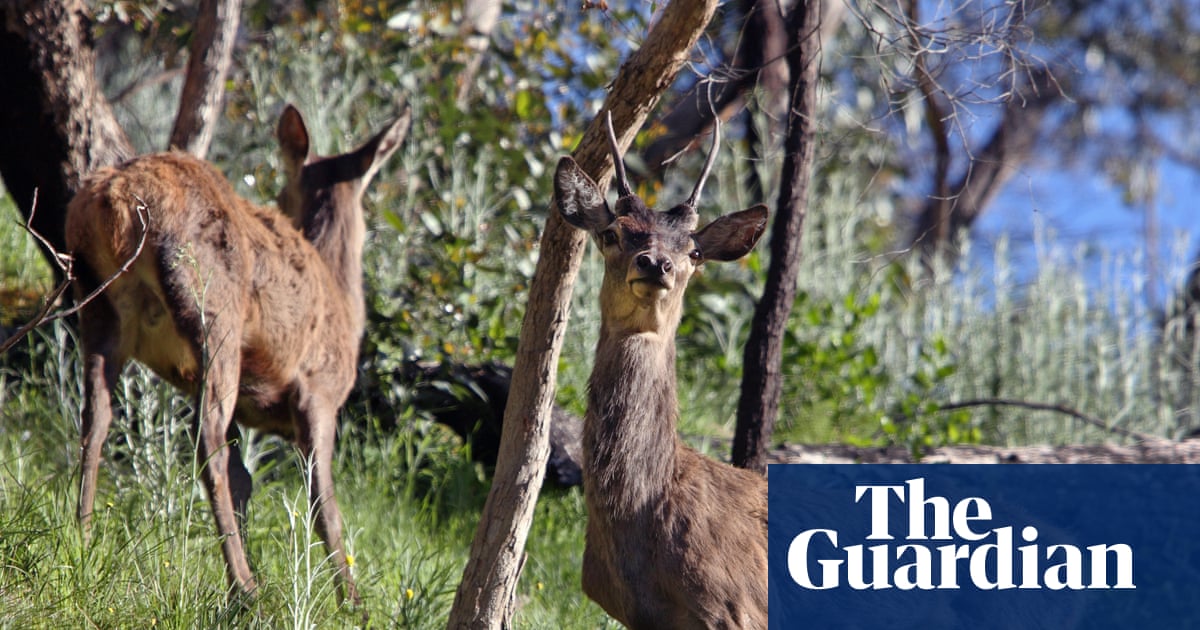
A recently assessed government report highlights a growing crisis involving feral deer in Australia, describing the situation as a systemic failure by most jurisdictions to curb the spread of these invasive animals. The evaluation, which covered the five-year period from 2020 to 2025, reveals that deer populations have increased significantly in both density and geographic range. This expansion has led to more frequent encounters with humans, including incidents in urban fringes and bushland areas, while simultaneously inflicting substantial economic damage on agricultural sectors.
The financial toll of this ecological shift is considerable. The report estimates that feral deer currently cost Australian farmers more than $91 million annually in lost production and management expenses. These figures represent a baseline that experts argue will worsen without immediate intervention. The animals are classified among the country’s most rapidly increasing invasive pests, posing threats not only to crop yields but also to native wildlife, road safety, and culturally significant sites.
Assessment results vary dramatically by region, with South Australia emerging as the sole success story. Under a traffic-light rating system used by the National Vertebrate Pest Coordinators, South Australia received green marks in all four assessed categories. This positive outcome follows the launch of an ambitious statewide eradication plan in 2022. In contrast, New South Wales and Tasmania received red ratings across all categories, indicating severe failures in control measures. Queensland and the Australian Capital Territory performed slightly better but still received predominantly negative scores.
The disparity in outcomes underscores the effectiveness of targeted funding and strategic planning. South Australia’s approach began after projections indicated that annual agricultural damage from deer would surge from $36 million to $241 million by 2031 if left unchecked. The state invested approximately $4 million in an eradication program, which has led to a massive decline in deer numbers. However, officials note that the remaining populations are retreating to urban edges where culling is more complex and costly.
Experts emphasize that the current trajectory in other states mirrors early stages of the feral pig problem, which has long plagued Australian agriculture. Advocates for invasive species management argue that deer lack the same level of public recognition as pigs but pose comparable risks. They suggest that timely intervention could still contain or even reverse the spread in many regions, preventing a continent-wide ecological and economic disaster.
Despite progress in South Australia, complete eradication remains a long-term goal requiring further investment. Officials estimate an additional $10 million over ten years is necessary to achieve functional eradication in the state. This cost is viewed as a prudent investment compared to the potential hundreds of millions in damages that would result from inaction. The success in South Australia demonstrates that containment is possible, even if total elimination across the entire continent may not be feasible.
Critics of current national policies point to chronic underfunding as the root cause of the widespread failure. While some states have made minimal efforts, others have struggled with fragmented strategies and insufficient resources. The report serves as a stark warning that without coordinated action and adequate financial commitment, deer will continue to encroach on agricultural lands and urban environments, exacerbating conflicts between wildlife management and human activity.
Looking ahead, the challenge lies in scaling successful models like South Australia’s to other regions. While total eradication may be unrealistic nationwide, containing spread and mitigating impacts are achievable goals. The coming years will likely see increased pressure on governments to allocate resources toward deer control, balancing immediate agricultural needs with long-term environmental preservation. The current data suggests that the window for effective intervention is narrowing.
The broader implications extend beyond economics to include biodiversity conservation and public safety. As deer populations grow, they compete with native species for resources and alter habitat structures. Additionally, encounters between humans and deer in suburban areas raise concerns about traffic accidents and property damage. Addressing these issues requires a multifaceted approach that integrates scientific research, community engagement, and robust policy frameworks.
Ultimately, the report serves as both a critique of past inaction and a roadmap for future efforts. By highlighting the successes and failures across different jurisdictions, it provides valuable insights into what works and what does not. The message is clear: proactive management is essential to prevent feral deer from becoming an unmanageable burden on Australia’s environment and economy.
Sources behind this briefing
Go to the original reporting
- The Guardian World↗Feral deer will become Australia’s next feral pig problem without prompt action, report warns