The short version
- A hidden colony of the rare dark-bordered beauty moth was located at Wallington estate in Northumberland, marking the first sighting there since 1952.
- The find provides essential insurance for the species, which faces significant threats to its only other known English population in Yorkshire due to climate change and wildfire.
- Conservationists believe this discovery challenges previous assumptions about suitable habitats, potentially revealing more undiscovered colonies across northern England.
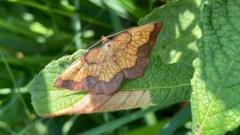
A significant conservation milestone has been reached with the confirmation of a hidden population of the dark-bordered beauty moth at Wallington estate in Northumberland. This species, characterized by its custard and chocolate coloration, had not been recorded at this specific location for more than seventy years. The rediscovery marks a pivotal moment for British lepidopterists, who have long monitored the precarious status of this insect across northern England and Scotland.
For decades, conservation efforts focused almost exclusively on Strensall Common in Yorkshire, which served as the sole known site for the moth in England. However, that population has faced severe pressures in recent years. Climate change impacts and a devastating wildfire have contributed to a steady decline in numbers at Strensall, raising concerns about the long-term viability of the species in the region. The isolation of that single colony meant that any further loss could have resulted in the moth’s functional extinction in England.
Dr. Dave Wainwright, head of conservation at Butterfly Conservation, described the finding as a profound relief after years of searching. He has dedicated his career to locating new colonies of this elusive species, beginning his work with the organization in 2004. Despite visiting Wallington estate during that initial period and finding no evidence of the moth, he returned recently with renewed hope. Within minutes of arriving at the site on his most recent visit, a specimen was located, confirming the presence of an active population.
The significance of this discovery extends beyond mere presence; it fundamentally alters the understanding of where these moths can survive. Previously, conservationists relied on the environmental conditions at Strensall Common to define what constituted a suitable habitat. Wallington presents a different ecological profile, suggesting that the dark-bordered beauty may thrive in environments previously considered suboptimal or unsuitable. This realization opens up new avenues for surveying other potential sites across the Northumberland and Cumbria border region.
Conserving the dark-bordered beauty remains a complex challenge due to its specialized dietary requirements. The caterpillars feed exclusively on two specific plant species: aspen and creeping willow. This narrow ecological niche makes the moth highly vulnerable to habitat fragmentation and changes in vegetation management. The loss of these host plants directly threatens the survival of any colony, necessitating careful stewardship of the surrounding landscape to ensure food sources remain available for future generations.
The National Trust, which manages Wallington estate, has indicated plans to expand potential habitats for the moth within the property. By actively managing the land to support aspen and creeping willow growth, they aim to strengthen the newly found colony and provide a secure refuge. This proactive approach is critical given the historical context of habitat loss that drove the species into decline across much of its former range in northern England.
Dr. Wainwright noted that the discovery validates long-held suspicions that other colonies might exist in the region. The success at Wallington provides tangible evidence that the moth has persisted in hidden pockets, surviving despite broader environmental pressures. This finding injects new optimism into conservation strategies, shifting the focus from solely protecting a single declining site to actively searching for and securing multiple populations.
The implications of this rediscovery are far-reaching for biodiversity efforts in the UK. It demonstrates that even species thought to be nearly extinct in certain areas may still hold on in overlooked locations. As climate change continues to reshape ecosystems, identifying these resilient pockets becomes increasingly important. The Wallington colony serves as a vital insurance policy, ensuring that the dark-bordered beauty retains a foothold in England while researchers work to understand and mitigate the threats facing its counterparts in Yorkshire.
Sources behind this briefing
Go to the original reporting
- BBC Science & Environment↗Hidden moth population found after 70 years

