The short version
- Vivek Ramaswamy confirmed his campaign is no longer airing an attack ad that utilized testimony from Amy Acton’s estranged mother regarding her childhood.
- The advertisement faced widespread criticism for exploiting allegations of sexual abuse and neglect, despite Donald Trump defending the spot at a joint rally.
- Acton responded by addressing her own history of trauma directly with voters, framing the ad as a desperate tactic to distract from policy issues.
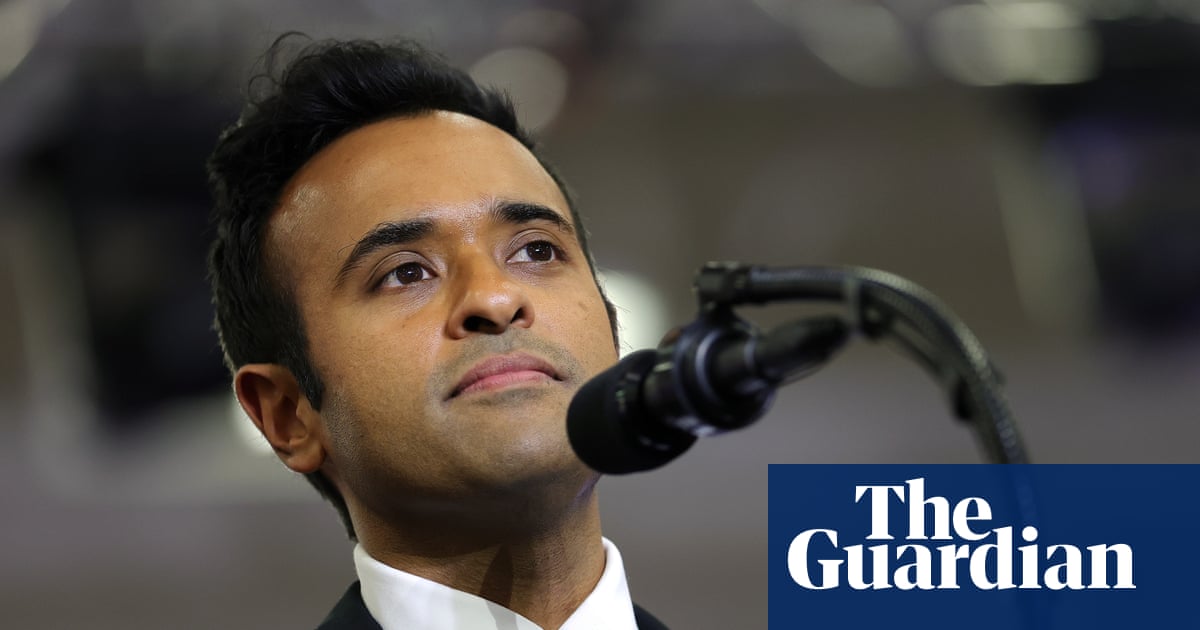
Vivek Ramaswamy, the Republican nominee for governor of Ohio, has confirmed that his campaign is no longer broadcasting an attack advertisement that drew significant public condemnation. The spot featured Donna Arthur, the estranged mother of Democratic opponent Amy Acton, and centered on allegations regarding Acton’s childhood. Ramaswamy stated during a press interaction in Vandalia that the ad had run its intended course and that the campaign was shifting focus to four new advertisements. He expressed a desire for the final stretch of the election to concentrate on policy matters rather than short-form negative messaging, while also criticizing Acton for declining to debate him.
The controversy stems from court records and past interviews indicating that Arthur lost custody of her daughter in 1978 after her second husband, Cledith Arthur, was charged with raping the child between the ages of ten and twelve. In a 2020 interview with an anti-abortion organization, Arthur claimed she was unaware of her husband’s prior accusations of rape before marrying him. However, legal documents from that era suggest Arthur had fled the state with her husband after the daughter made the allegations. The original sixty-second version of Ramaswamy’s ad included claims from Arthur that Acton had lied about living in a tent during her childhood; court records indicate the family did indeed reside in a tent at the time of the arrest.
Ramaswamy’s campaign initially announced plans to spend four million dollars on the advertisement, despite pushback from both political parties. The decision to air the spot drew sharp criticism for its reliance on the trauma of a child sexual abuse survivor. Some individuals involved in the production process reportedly expressed discomfort after learning that Arthur has struggled with mental health challenges and was recently found living in her car with numerous cats. These details, reported by NBC News and Zeteo, added to the ethical concerns surrounding the ad’s content and its potential to exploit vulnerable personal histories for political gain.
Former President Donald Trump offered robust support for Ramaswamy’s strategy, defending the advertisement at a rally held in Ohio on Wednesday. Trump refused to acknowledge that the serious nature of the child rape allegations undermined the credibility of Arthur’s testimony or the appropriateness of using it in a political context. His endorsement highlighted a divide within the Republican base regarding the boundaries of negative campaigning, particularly when it involves sensitive personal tragedies. Ramaswamy’s reference to thirty-second ads reflected an edit made to remove specific claims about tent living, though the core narrative remained focused on discrediting Acton through her mother’s account.
Amy Acton’s campaign responded swiftly to the backlash by releasing a new advertisement that questioned the lengths to which Ramaswamy would go to win office. The counter-ad accused Ramaswamy of exploiting the sexual abuse of a child and spending millions to mislead voters about Acton’s background. Acton herself addressed the issue at a public event on Thursday, acknowledging her difficult childhood openly with supporters. She described experiencing abuse and neglect as a child, noting that she and her brother were frequent subjects of children’s services investigations and lived in a tent during winter months.
Acton framed Ramaswamy’s attack as an intentional exploitation of her past trauma, characterizing it as a desperate move to salvage a struggling campaign. She asserted that such tactics would not succeed in swaying Ohio voters, who are increasingly focused on substantive policy differences rather than personal attacks. The incident has intensified scrutiny of the ethical standards in modern political advertising, particularly regarding the use of family members’ testimonies and historical legal records. As the election nears its conclusion, the focus remains on whether this controversy will overshadow policy debates or serve as a defining moment in the race.
The broader implications of this episode extend beyond Ohio, raising questions about the role of former presidents in endorsing controversial campaign strategies. Trump’s defense of the ad underscores the ongoing influence of his political brand within the Republican Party, even as some voters and officials express discomfort with the methods employed. Meanwhile, Ramaswamy’s pivot to policy-focused messaging suggests an attempt to mitigate damage from the negative publicity. The effectiveness of this shift will depend on voter response in the coming days, as both campaigns prepare for the final push before Election Day.
Observers note that the use of personal trauma in political attacks has become a contentious issue in recent elections, with critics arguing it undermines democratic discourse and exploits vulnerable individuals. Supporters of such tactics often contend that they reveal hidden truths about candidates’ backgrounds, though this argument faces skepticism when the sources are estranged family members with questionable credibility. In Ohio, where the gubernatorial race is closely watched, the fallout from Ramaswamy’s ad may influence undecided voters who prioritize integrity and respect for personal boundaries. The coming weeks will reveal whether this controversy alters the trajectory of the campaign or fades into the background as policy issues take center stage.
Sources behind this briefing
Go to the original reporting
- The Guardian World↗Vivek Ramaswamy discontinues attack ad that prompted wave of revulsion