The short version
- Qantas cancelled a Rome-to-Perth flight to allow for extensive decontamination of a Boeing 787 Dreamliner after bedbugs were found in the economy cabin.
- Passengers affected by the disruption received accommodation and were rebooked on alternative flights within two days of their original scheduled departure.
- Parasitologists indicate that bedbugs are likely transported via luggage or clothing from infested locations, posing a logistical challenge rather than a direct health threat.
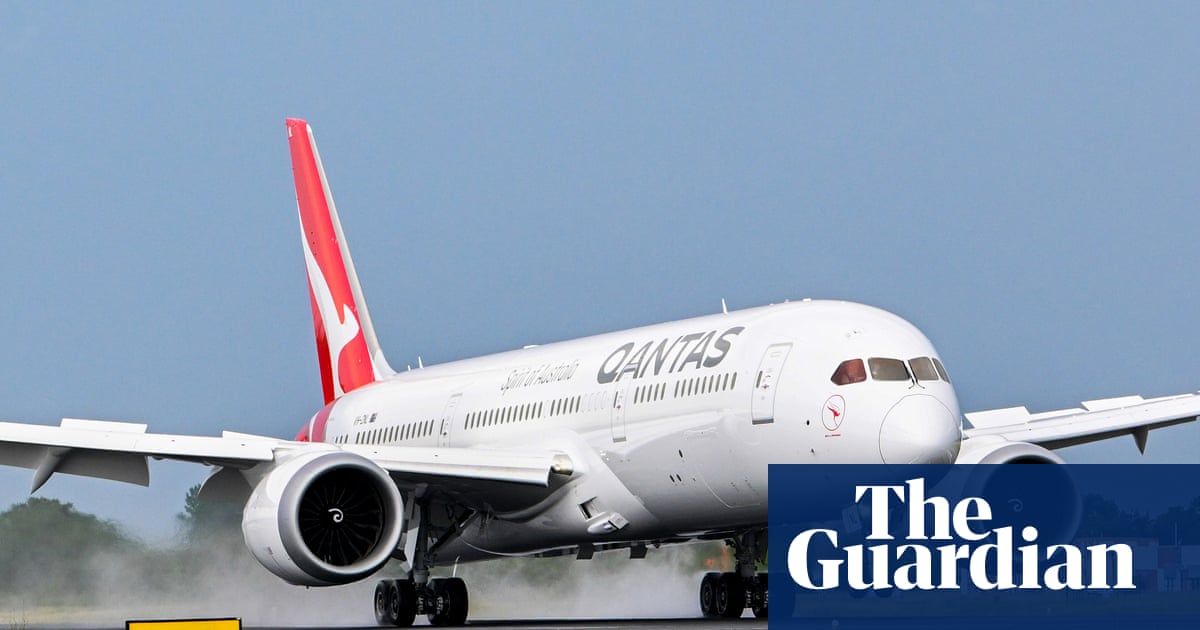
Qantas has removed a Boeing 787 Dreamliner from its operational fleet in Rome following the discovery of bedbugs on board. The aircraft, which had arrived from Perth on flight QF5 on October 9, was taken out of service immediately upon landing in the Italian capital. This decision resulted in the cancellation of the return service scheduled for October 10, disrupting travel plans for passengers who had booked the Rome-to-Perth leg.
The infestation was identified in the front section of the economy cabin. A source familiar with the incident confirmed that parasitic insects were detected during routine checks or inspections after the flight's arrival. Qantas stated that the cancellation was necessary to allow engineers and maintenance teams to perform a thorough deep clean of the aircraft. The airline described the issue as being confined to a small number of seats, emphasizing that the response was precautionary and aimed at maintaining high hygiene standards.
In response to the disruption, Qantas issued an apology to affected customers. The airline arranged for accommodation for those stranded in Rome and facilitated rebooking on alternative flights. All impacted passengers were secured new travel arrangements within forty-eight hours of their original departure time. This rapid response aims to minimize the inconvenience caused by the unexpected grounding of the aircraft.
Bedbugs are small, flightless insects that feed on the blood of mammals, including humans. While their bites can cause itching and irritation, experts note that they do not transmit diseases or pose a direct danger to human health. However, these parasites are notoriously difficult to eradicate once established. They can survive for long periods without feeding and often hide in crevices, bedding, and other dark spaces, making detection and elimination challenging for airlines and hospitality providers alike.
Prof Michelle Power, a parasitologist at Macquarie University, provided insight into how such infestations likely occur on commercial aircraft. She suggested that the bedbugs were probably brought onto the plane by passengers in their luggage or on their clothing. Travelers visiting hotels or other accommodations with existing infestations may inadvertently transport the insects, which are attracted to the scent of human garments and seek out dark, confined spaces.
The presence of bedbugs on a long-haul flight highlights the challenges of maintaining pest-free environments in global travel hubs. Qantas maintains that its aircraft cabins undergo regular cleaning and are treated with disinfectant every fifty days as a standard precautionary measure. Despite these protocols, the mobility of passengers and goods means that pests can still find their way into aircraft interiors, requiring immediate and intensive intervention when discovered.
The incident underscores the logistical complexities airlines face in managing biological contaminants. Unlike mechanical failures, which are often predictable and diagnosable through routine maintenance checks, pest infestations can be sporadic and difficult to trace back to a specific origin point. The grounding of the aircraft demonstrates the airline's commitment to passenger comfort and hygiene, even at the cost of operational efficiency and schedule reliability.
Looking ahead, Qantas will likely review its cleaning procedures and inspection protocols to prevent similar occurrences. While bedbugs are not considered a public health crisis, their presence can significantly impact customer satisfaction and brand reputation. The airline's swift action to rebook passengers and provide accommodation reflects an effort to mitigate negative perceptions and maintain trust with its clientele.
Experts also note the socioeconomic dimensions of bedbug management. Wealthier travelers who move frequently may inadvertently spread infestations across borders, while individuals facing economic hardships may lack access to effective pesticides or the resources needed to implement heat treatments required to kill the insects. This disparity adds a layer of complexity to pest control efforts in shared spaces like airplanes.
As Qantas resumes operations with other aircraft, the grounded Boeing 787 will undergo extensive decontamination before returning to service. The incident serves as a reminder of the invisible challenges inherent in international aviation, where hygiene and safety must be continuously monitored and enforced. Passengers can expect standard cleaning practices to continue, with additional vigilance applied to areas previously affected by infestations.
Sources behind this briefing
Go to the original reporting
- The Guardian World↗Bedbug infestation forces Qantas to ground plane in Rome