The short version
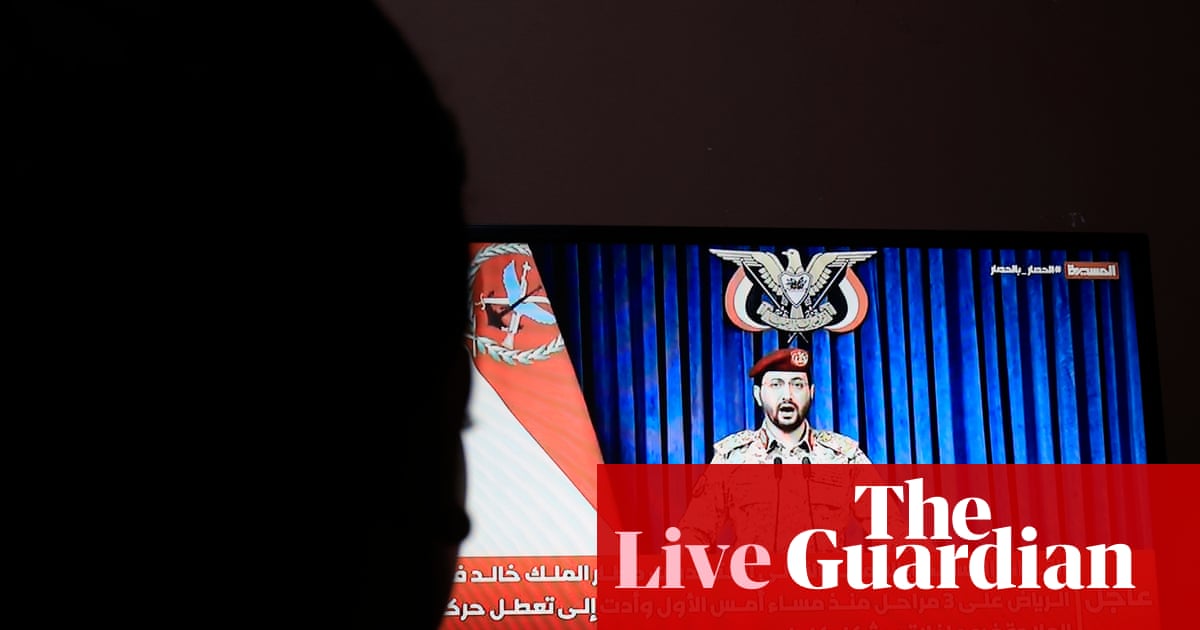
- Houthi forces claimed responsibility for attacks on Riyadh airport, causing damage to planes and injuries.
- An Indian national died from injuries sustained in the attack, with 11 others reported injured.
- The incident has led to discussions about potential US military intervention against Houthi targets.
Tensions in the Middle East have escalated significantly following a series of attacks on Riyadh airport attributed to Houthi forces. The strikes, which included missile launches, resulted in damage to aircraft and caused injuries to several individuals. This development marks a concerning shift in the conflict, as the Houthis have demonstrated their ability to reach critical infrastructure deep within Saudi Arabia, challenging regional security dynamics.
The human cost of the attack has become more apparent in the days following the incident. The Indian embassy in Saudi Arabia confirmed that one Indian national, who was wounded in the initial strike, has died from his injuries. The embassy expressed heartfelt condolences to the family and stated that they are providing support for the repatriation of the deceased's remains. Additionally, 11 other Indian nationals were reported injured in the attack, highlighting the international impact of the violence.
The damage to Riyadh airport is not merely symbolic but represents a direct threat to Saudi Arabia's economic ambitions. The kingdom has invested heavily in its aviation infrastructure as part of broader modernization efforts. By targeting such a vital hub, the Houthis are aiming at the heart of Saudi Arabia's strategic goals, potentially disrupting trade and travel while undermining confidence in the region's stability. This tactic underscores the group's intent to exert pressure on Saudi leadership.
In response to the escalating threats, international attention has turned to potential military interventions. Reports indicate that US President Donald Trump is weighing options for joining the fight against Houthi forces. The possibility of direct US involvement raises significant questions about the future trajectory of the conflict and the extent to which external powers will engage in regional security matters. Such a move could alter the balance of power and provoke further retaliation.
Saudi Arabia finds itself with limited options in addressing the Houthi threat. The kingdom must balance its desire for security with the need to avoid broader regional escalation. Diplomatic efforts have thus far failed to curb the attacks, leaving military responses as a primary consideration. However, any aggressive action carries the risk of drawing in other actors and complicating an already volatile situation.
The Houthis' ability to launch such attacks demonstrates their growing capabilities and reach. Despite facing significant opposition, the group has managed to maintain its operational effectiveness, posing a persistent challenge to regional stability. Their actions are not isolated incidents but part of a broader strategy to disrupt normalcy and force political concessions. This pattern of behavior suggests that future attacks may occur unless decisive measures are taken.
The international community is closely monitoring the situation, with concerns about the potential for wider conflict. The involvement of multiple nationalities among the injured underscores the global implications of the crisis. Countries with citizens in the region are likely to increase their diplomatic efforts and security protocols to protect their nationals. This incident serves as a reminder of the interconnected nature of modern conflicts.
As the dust settles from the recent attacks, the focus shifts to how regional and international powers will respond. The decision by the US to potentially intervene could have far-reaching consequences, affecting not only Saudi Arabia but also neighboring countries and global supply chains. The outcome of these deliberations will shape the security landscape in the Middle East for years to come.
For now, the immediate priority remains addressing the humanitarian impact of the attacks. Medical facilities are working to treat the injured, while families await news of their loved ones. The tragedy of loss and injury serves as a stark reminder of the human cost of geopolitical strife. As leaders debate strategic responses, the suffering of individuals like the deceased Indian national should not be overlooked.
In conclusion, the Houthi attacks on Riyadh airport represent a significant escalation in the ongoing Middle East crisis. With casualties confirmed and infrastructure damaged, the incident has drawn international scrutiny and potential military involvement. The path forward remains uncertain, but the need for a comprehensive solution that addresses both security concerns and humanitarian needs is more urgent than ever.
Sources behind this briefing
Go to the original reporting
- The Guardian World↗Middle East crisis: Riyadh airport hit again as Houthis claim attacks, including strike that killed 12 – as it happened
- NPR↗Trump weighs joining the fight against Houthis after Riyadh airport attack
- Reuters↗Plane damaged at Riyadh airport as Houthis escalate attacks, sources say
- The New York Times↗Saudi Arabia Has Few Options as Houthis Aim at Heart of Its Ambitions