The short version
- The Wildlife Trusts successfully raised £30 million to acquire the 3,800-hectare Rothbury estate, with £17 million contributed directly by approximately 25,000 individual donors.
- The acquisition aims to establish a major nature recovery zone that balances wildlife restoration with continued agricultural productivity and community heritage.
- While conservationists view the purchase as a generational opportunity for ecological connectivity, some local farmers and political figures have raised concerns about food security and land management changes.
A major environmental initiative in northern England has reached its financial goal after campaigners announced they secured £30 million to purchase the Rothbury estate. This acquisition represents one of the most ambitious nature recovery efforts undertaken in the country, transferring control of a vast landscape from private aristocratic ownership to public conservation management. The estate, which spans nearly 15 square miles, is described by organizers as the largest single landholding to come onto the market in England in over three decades.
The fundraising effort was driven largely by individual contributions, with roughly 25,000 members of the public donating £17 million toward the total sum. Additional funding came from charitable foundations, philanthropists, and a £5 million grant from the National Lottery Heritage Fund. The UK government also committed £1.94 million to the project this week. David Attenborough, who championed the bid, acknowledged the public’s role in making the vision of a landscape where nature and human activity coexist a tangible reality.
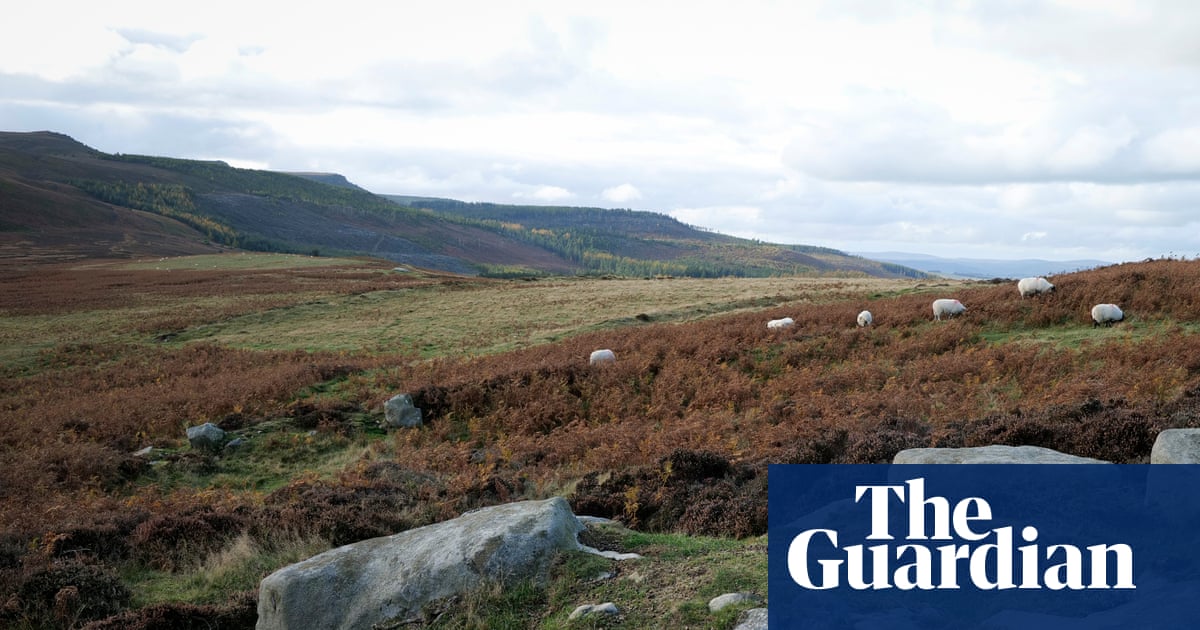
The Rothbury estate encompasses a diverse range of habitats, including wild moorland, valley woodlands, farm fields, and the Simonside hills. Conservation leaders view the site as a critical component of a broader ecological strategy. The long-term objective is to transform the property into the central hub of a 40-mile nature corridor stretching from Druridge Bay on the coast to the national nature reserves near the Scottish border at Kielderhead and Whitelee Moor.
Mike Pratt, chief executive of the Northumberland Wildlife Trust, expressed relief and gratitude following the announcement. He emphasized that the substantial public investment requires a commitment to honoring donor support by ensuring the land remains accessible and beneficial for communities. The trust plans to implement interventions designed to restore and extend existing habitats, aiming to boost populations of species such as red squirrels, mountain bumblebees, and curlews. There is also hope to reintroduce water voles and encourage the return of pine martens, which are already showing signs of natural recolonization.
Community engagement has been a central pillar of the campaign. Volunteers have participated in various ecological monitoring projects, including eco-acoustic surveys where individuals traverse difficult terrain to install devices that record sounds from small mammals and bats. Upcoming activities include earthworm counts to assess soil health. Sophie Bulgin, the project manager for Rothbury, noted that the level of volunteer enthusiasm exceeded expectations, suggesting a strong sense of local ownership over the conservation efforts.
Despite the celebratory tone among conservationists, the acquisition has not been universally welcomed. Some local farmers have criticized the project, labeling it a folly and raising concerns about the potential impact on food production. Guy Renner-Thompson, chair of the Northumberland Conservatives, questioned the government’s decision to provide funding, arguing that ministers should address worries regarding traditional land management practices and the profitability of farming businesses before disbursing public money.
In response to these criticisms, trust officials have stated they are working closely with agricultural stakeholders on the estate. The goal is to demonstrate that robust wildlife populations and productive business models can coexist. Pratt indicated that the project represents a hopeful vision for the future, combining nature conservation with community benefits and heritage preservation. The success of this model could influence how similar large-scale land transactions are approached in other regions.
The purchase follows a two-year campaign launched after Max Percy, the youngest son of the Duke of Northumberland, put the estate up for sale. The transition marks a significant moment for land use policy in England, highlighting the growing capacity of public fundraising to influence environmental outcomes. As the Wildlife Trusts prepare to take ownership, the focus will shift from acquisition to implementation, with plans to balance ecological restoration with the economic needs of those who work the land.
Looking ahead, the trust anticipates that increased nature tourism will bring economic benefits to the town of Rothbury and surrounding areas. The project aims to create a space where heritage, farming, and wildlife thrive together, setting a precedent for how large estates can be managed in the 21st century. The coming months will involve detailed planning for habitat restoration and community engagement programs, testing whether this ambitious vision can deliver on its promises to both nature and people.
This development underscores a shifting landscape in environmental stewardship, where public interest and funding play an increasingly decisive role. While challenges remain regarding the practical integration of conservation goals with agricultural realities, the successful fundraising campaign demonstrates significant public appetite for large-scale ecological recovery projects in England.
Sources behind this briefing
Go to the original reporting
- The Guardian World↗Wildlife Trusts hit £30m target to buy and rewild huge Northumberland estate