The short version
- The United Arab Emirates has nominated former diplomat Lana Nusseibeh to replace António Guterres as UN secretary-general, disrupting a previously stalled selection process.
- Rights groups and Sudanese activists condemn the candidacy, citing Nusseibeh’s consistent rejection of evidence linking the UAE to atrocities committed by the Rapid Support Forces in Sudan.
- Nusseibeh has stepped away from her ministerial role to demonstrate independence but maintains that she will support UN accountability mechanisms regarding the conflict.
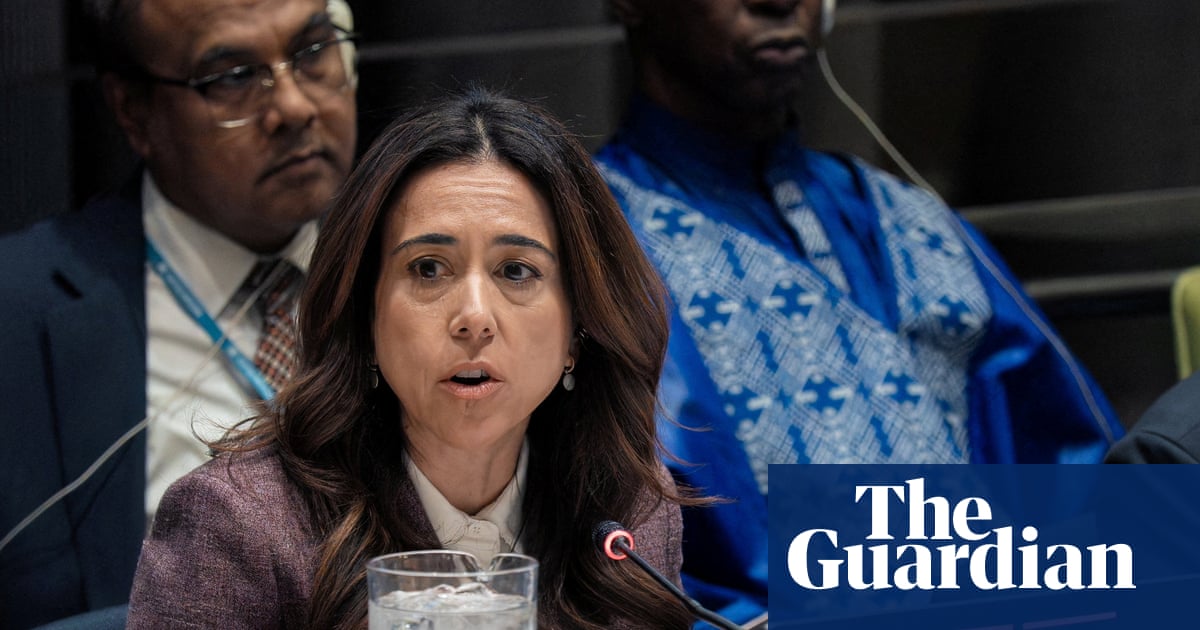
The race to succeed António Guterres as secretary-general of the United Nations has shifted dramatically following the United Arab Emirates’ nomination of Lana Nusseibeh. The announcement upended a selection process that had become gridlocked, with previous informal polls showing no candidate able to secure sufficient support among the Security Council’s permanent members. Nusseibeh, who served as the UAE’s representative to the UN until 2024, now faces intense scrutiny from human rights organizations and members of the Sudanese diaspora.
Critics argue that Nusseibeh is fundamentally unsuited for the role due to her history of denying allegations that the UAE has fueled the war in Sudan by supporting the Rapid Support Forces. International monitors have documented extensive evidence linking Emirati resources to the paramilitary group, which has been accused of committing widespread atrocities against civilians during its conflict with the Sudanese army. These accusations include severe violations during the October 2025 attack on El Fasher, an event that UN officials described as bearing the hallmarks of genocide.
Advocates emphasize that Nusseibeh’s past statements reflect a blanket dismissal of these serious charges rather than an independent assessment. Hala al-Karib, a regional director for a women’s rights initiative in the Horn of Africa, stated that Nusseibeh lacks a record of acting independently from her home country’s interests. Al-Karib warned that endorsing the candidate would effectively amount to denying the genocidal acts carried out by the RSF, thereby undermining the credibility of international justice efforts.
During a virtual briefing organized by the advocacy group Avaaz, several experts expressed deep concern about the implications of Nusseibeh’s potential election. Ibrahim Alduma, co-founder of Sudan Action Hub and a native of El Fasher, argued that appointing Nusseibeh would erode trust in the United Nations among victims of war and international crimes. He questioned how the organization could claim to uphold human rights while being led by someone who has consistently defended the government accused of enabling mass atrocities.
Kenneth Roth, a former executive director of Human Rights Watch, described Nusseibeh’s denial of UAE support for the RSF as blatant disregard for established facts. He noted that the paramilitary group’s military success would likely have been impossible without external backing, transforming what might have been a civil war into a campaign of mass atrocities. Roth characterized the nomination as surprising and inappropriate given the gravity of the allegations and the need for impartial leadership at the UN.
Other observers echoed these concerns, highlighting the broader implications for multilateral institutions. Kate Ferguson of Protection Approaches warned against naive assumptions regarding Nusseibeh’s independence, suggesting that her candidacy represents an attempt by an autocratic state to capture a key global institution. Husam Mahjoub, a Sudanese media advocate, added that placing a senior Emirati diplomat in charge would hand leadership to the chief defender of a government accused of violating civilian rights at a critical moment.
In response to the backlash, Nusseibeh issued a statement affirming her commitment to supporting UN fact-finding missions and transitional justice efforts related to the Sudan conflict. She described the crimes committed by the RSF as atrocious and acknowledged that resolving the crisis would be a defining test for any incoming secretary-general. To address concerns about impartiality, she announced that she has taken a leave of absence from her ministerial position in the UAE government.
The selection process remains uncertain, with diplomats still negotiating the format and timing of the next informal poll. While former Costa Rican vice-president Rebeca Grynpan was previously considered a frontrunner, she and other candidates faced opposition from permanent Security Council members. Nusseibeh must now secure at least nine affirmative votes and avoid vetoes from the US, UK, China, France, or Russia to advance. The coming days will reveal whether her nomination can overcome the significant objections raised by rights groups and affected communities.
As the debate intensifies, the focus remains on the tension between diplomatic protocol and accountability for war crimes. Critics maintain that the UN’s legitimacy depends on its ability to hold powerful states accountable, particularly in conflicts involving severe human rights violations. The outcome of this nomination process may signal how seriously the international community takes allegations of state-sponsored support for armed groups accused of genocide.
With no clear consensus emerging among Security Council members, the path forward is fraught with political complexity. The next steps will involve further consultations and potentially another straw poll to gauge support. Meanwhile, advocates continue to pressure diplomats to consider the moral and practical implications of appointing a candidate whose past actions align closely with a government under investigation for fueling one of the world’s most devastating conflicts.
Sources behind this briefing
Go to the original reporting
- The Guardian World↗Sudanese diaspora and human rights groups denounce UAE nominee for UN top job