The short version
- Multiple demonstrators interrupted Donald Trump's speech in San Antonio, leading to police removals and an assault on one protester by a supporter.
- Trump addressed widespread condemnation of his previous remarks implying Iran could target Los Angeles or San Diego, framing the potential attacks as a deterrent strategy.
- The rally highlighted Republican concerns over Senate candidate Ken Paxton's standing in polls, where he trails Democrat James Talarico despite significant financial investment.
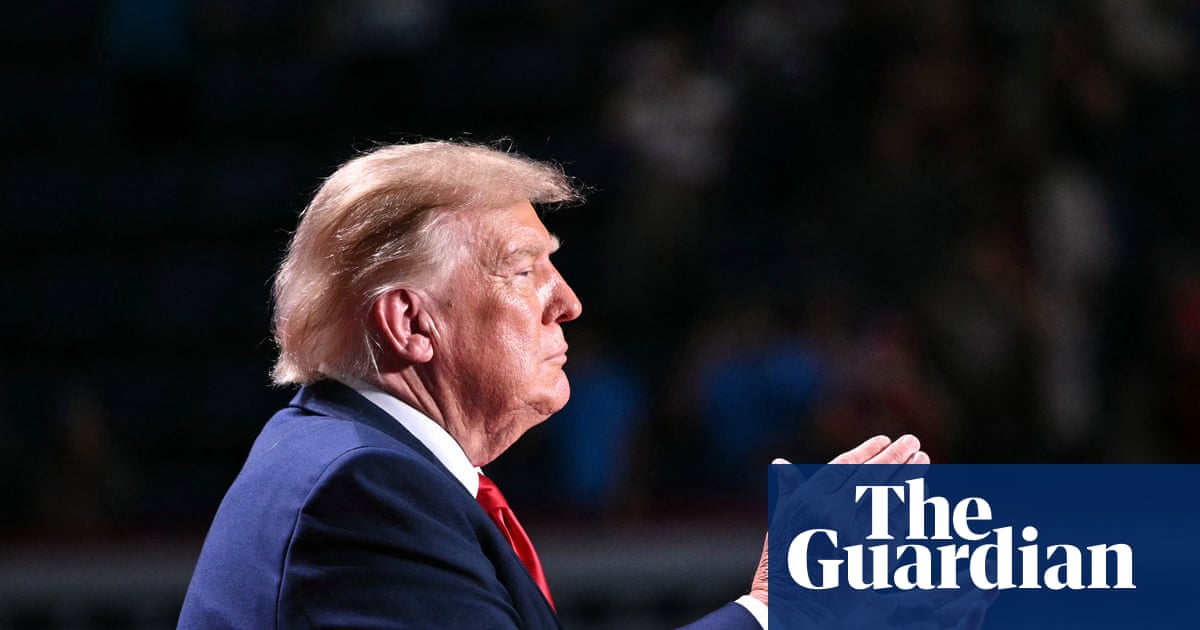
Donald Trump’s campaign event in San Antonio on Wednesday was marked by repeated disruptions from demonstrators, underscoring the volatile atmosphere surrounding his final push before the midterm elections. At least six individuals attempted to interrupt the president’s remarks, with several being escorted out by law enforcement. The situation escalated when one protester, after being removed from the stage area, was physically assaulted by an older supporter of Trump as he tried to exit the arena. Trump briefly stepped away from the microphone during one incident, later remarking that the individual was returning home to a mother who had voted for him.
The president used the platform to address intense backlash regarding his recent comments about Iran’s potential military actions against U.S. cities. In previous statements that drew sharp criticism from Democratic opponents, Trump suggested that Iranian missiles could strike Los Angeles or San Diego. During the Texas rally, he reiterated these points with ambiguous phrasing, stating that allowing such attacks would reveal a 'horror show' and cause the country to enter freefall. He framed this rhetoric as a protective measure, asserting that the administration prevents such scenarios while implying adversaries might exploit any perceived weakness.
Supporters in the crowd actively countered the protests, waving cowboy hats and chanting patriotic slogans to drown out dissenting voices. Trump mocked the appearance of the demonstrators and accused them without evidence of being funded by national enemies. He urged the protesters to leave the venue, maintaining a combative tone throughout the interruptions. The chaotic environment reflected broader tensions within the state, where Republican officials are facing increased pressure from Democratic challengers.
A central focus of the rally was the Senate race between Ken Paxton and James Talarico. Trump endorsed Paxton after previously supporting incumbent John Cornyn, signaling a shift in strategy as Republicans pour resources into races they once considered safe. Paxton took the stage to thank the president for his support, expressing confidence in their ability to win. However, recent polling data indicates a tight contest, with Talarico leading among likely voters by six percentage points. This development has alarmed Republican strategists who had anticipated an easy victory in a state that has not elected a Democrat to the Senate since 1988.
Trump praised Paxton as one of the greatest attorneys general in the nation, highlighting his toughness and loyalty. Despite this public endorsement, their relationship appears strained, with Trump previously describing Paxton as difficult to work with. The president avoided discussing a leaked recording in which Paxton reportedly criticized the war in Iran and rising fuel prices. Instead, Trump focused on attacking Talarico, using derogatory nicknames and making unsubstantiated claims about his health and dietary habits. He portrayed Talarico as weak and out of touch with Texas values.
The political landscape in Texas has shifted significantly since Trump won the state by nearly 14 points in 2024. Recent surveys show a decline in his approval rating, now sitting at 32 percent, while registered voters favor Democrats over Republicans by a margin of seven points. This trend has prompted Republicans to invest more than $300 million in Texas elections, according to Associated Press reporting. The president’s third trip to the state in less than a month reflects an urgent effort to bolster down-ballot candidates facing unexpected challenges.
Notably absent from the rally was Governor Greg Abbott, a close ally of Trump who is also running for re-election against Gina Hinojosa. Abbott attended a hospital dedication approximately 330 miles away instead of joining the president in San Antonio. Democratic opponents seized on this absence as evidence of internal party struggles and waning support for key figures. The lack of unity among top Republicans has complicated efforts to present a cohesive front against Democratic gains.
Trump’s broader campaign blitz has included stops in other Republican-leaning states such as Oklahoma, Alabama, Ohio, and Nebraska. These visits aim to shore up support across multiple districts where incumbents face competitive races. The Texas rally exemplifies the challenges facing the party, with protests, polling deficits, and internal discord creating a difficult environment for maintaining control of the Senate. As the election approaches, the outcome in Texas will likely serve as a bellwether for national trends.
The events in San Antonio highlight the growing polarization and instability within American politics. Trump’s attempts to rally support through aggressive rhetoric and personal attacks have drawn both fervent backing and intense opposition. The physical altercation involving a protester underscores the heightened emotions surrounding his campaigns. With significant financial resources deployed and key figures facing tough races, the coming weeks will be critical in determining whether Republicans can hold their ground in traditionally safe territories.
Looking ahead, the focus remains on how these dynamics will play out in November. The Senate race in Texas is particularly pivotal, given its historical significance and current competitiveness. Polls suggest that Democrats have made substantial inroads, challenging long-held assumptions about the state’s political leanings. Trump’s continued involvement in local races may influence voter turnout and sentiment, but the effectiveness of his strategy remains uncertain amidst rising disapproval ratings and organizational friction.
Sources behind this briefing
Go to the original reporting
- The Guardian World↗Donald Trump’s Texas rally rocked by repeated protests