The short version
- Pope Leo XIV will undergo surgery to remove a small lung nodule, an early-stage finding detected during recent medical examinations.
- The pontiff personally announced the procedure during his weekly blessing, breaking with historical Vatican norms of strict privacy regarding papal health issues.
- Medical experts note that while nodules are often benign, surgical removal provides definitive diagnosis and offers excellent prognosis if malignancy is present.
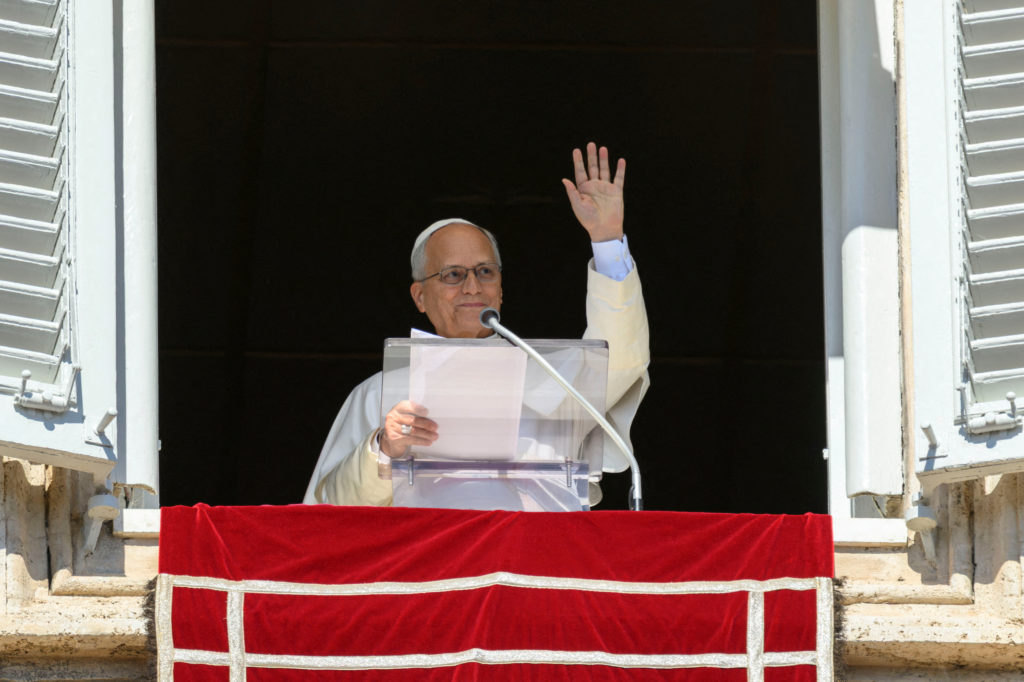
Pope Leo XIV has announced he will undergo surgery in the coming days to remove a nodule from his lung, marking the first major health development of his seventeen-month pontificate. The seventy-one-year-old pontiff made the disclosure during his Sunday noon blessing, an unusual venue for such personal medical news. He described the growth as circumscribed and well-localized, indicating it was detected at a very early stage. Vatican officials stated that the expected recovery period is approximately one week, though they did not specify the exact date of the procedure beyond noting it would occur in the early part of the current week.
This direct address represents a significant departure from the historical opacity surrounding papal health. Previous administrations, particularly under Pope Francis, were characterized by fragmented and sometimes contradictory information releases regarding medical conditions. Francis, who died in April 2025 following complications from respiratory issues, had a history of chronic lung disease. In contrast, Leo appears intent on controlling the narrative himself, using one of his most public engagements to inform the faithful directly. He thanked the crowd for their closeness and explicitly entrusted himself to their prayers, framing the medical intervention within a spiritual context while maintaining factual clarity about the physical condition.
Medical experts consulted regarding the announcement emphasize that lung nodules are relatively common findings on CT scans and are frequently benign. Dr. Stephen Liu, a lung cancer specialist at Georgetown University, noted that while benign and malignant nodules can appear similar on imaging, surgical removal is standard practice when there is sufficient concern and the patient is in good health. The procedure serves as both treatment and definitive diagnosis. For a patient like Leo, who has no previously known health problems and maintains an active lifestyle including weekly tennis matches and swimming, the risks of surgery are generally low, and the potential benefits of early intervention are high.
The prognosis associated with such early detection is described by specialists as excellent. Dr. Dionysis Papadatos-Pastos, an oncologist at The London Clinic, stressed that ignoring a lung nodule is the worst course of action, regardless of whether it turns out to be cancerous. He noted that a well-circumscribed appearance often suggests a lower likelihood of malignancy. If the nodule is indeed cancerous, its early stage means surgery alone may be sufficient treatment, preventing any potential for growth or spread. This scenario is viewed by some experts as a positive outcome, allowing for resolution before any serious health threat emerges.
The timing of the surgery raises questions about upcoming papal obligations. Leo was scheduled to preside over the closing Mass on Wednesday of a weeklong conference on family ministry. Vatican officials suggested he might miss this event due to the impending hospital stay. Additionally, the pontiff has a major international trip planned for November 6 through 17, visiting Uruguay, Argentina, and Peru. While it remains unclear how the surgery and subsequent recovery will impact this itinerary, Leo indicated during his Sunday remarks that he still intends to proceed with the travel plans. The Vatican has not yet confirmed whether the trip will be modified or canceled.
The procedure is expected to take place at Rome’s Gemelli Hospital, a facility with a long history of treating popes, including Francis and his predecessors. The hospital features a special apartment designed for pontiffs, ensuring privacy and comfort during treatment. As of Sunday, there were no visible signs that Leo had already been admitted, suggesting the surgery is scheduled for later in the week. The decision to operate rather than pursue a needle biopsy aligns with standard medical advice for accessible nodules in healthy patients, as biopsies can be difficult and may not yield enough information for a definitive diagnosis.
This event underscores a broader shift in how the Vatican manages public perception of the pope’s physical well-being. By choosing transparency over secrecy, Leo XIV is setting a new precedent for his administration. The clarity of his message avoids the confusion that plagued previous health disclosures, providing the faithful with straightforward information about his condition and immediate future. As he prepares for surgery, the focus remains on the successful removal of the nodule and a swift recovery, allowing him to resume his duties without prolonged interruption.
The announcement also highlights the physical demands placed on modern popes. Despite his age, Leo maintains an active routine that includes regular exercise at the papal summer retreat in Castel Gandolfo. This level of physical fitness likely contributes to the favorable medical outlook for his upcoming surgery. The Vatican’s handling of this situation reflects a balance between respecting the pope’s privacy and acknowledging the public’s interest in his health. By addressing the issue directly, Leo has mitigated speculation and provided a clear path forward for both his medical care and his pastoral responsibilities.
As the week progresses, attention will turn to the outcome of the surgery and the final pathology results. The Vatican is likely to provide updates as they become available, continuing the pattern of direct communication established on Sunday. The faithful have responded with prayers and support, mirroring the pontiff’s own request for spiritual solidarity. This moment serves as a test of the new transparency policy, demonstrating how open communication can reduce uncertainty and maintain stability during periods of personal health challenges for the head of the Catholic Church.
The broader implications of this health event remain to be seen, particularly regarding the November trip to South America. If recovery proceeds as expected, Leo may still fulfill his travel commitments, showcasing resilience and dedication to his global ministry. However, any complications could necessitate significant adjustments to the papal schedule. For now, the focus is on the immediate medical procedure and the hope for a benign result. The Vatican’s calm and controlled response suggests confidence in the medical team and the pope’s ability to manage this health issue effectively.
Sources behind this briefing
Go to the original reporting
- PBS NewsHour↗Pope Leo to undergo surgery to remove nodule on his lung