The short version
- Voting has concluded in a critical by-election that tests Prime Minister Andy Burnham’s ability to retain Labour’s hold on a former Keir Starmer seat.
- Green candidate Zack Polanski aims to replicate earlier successes by appealing to younger, left-leaning voters concerned with housing and climate policy.
- Internal divisions within the Green party over controversial conference motions have complicated their campaign narrative in the final days.
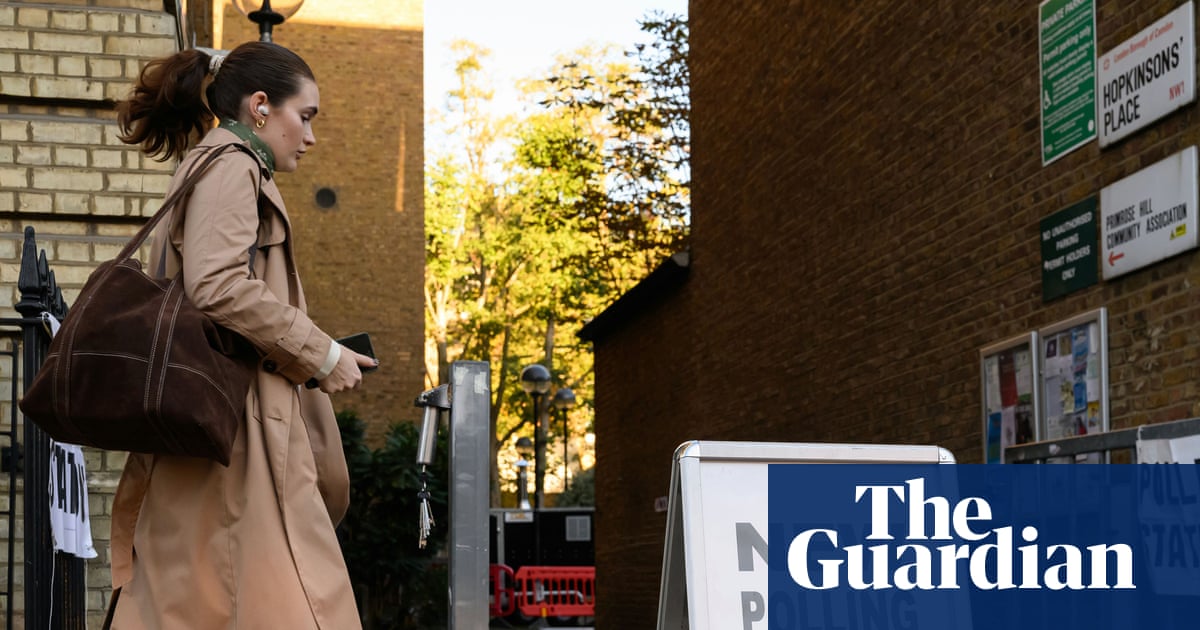
Voting has concluded in the Holborn and St Pancras constituency, marking a significant early electoral test for Prime Minister Andy Burnham. The by-election is widely viewed as a barometer for the new leader’s capacity to unify his party’s base, particularly among younger and progressive voters who expressed disillusionment under the previous administration of Keir Starmer. Labour is attempting to hold onto this north London seat, which Starmer secured with a substantial majority exceeding 11,000 votes during the general election held in 2024.
The contest highlights a broader struggle for influence within the political landscape just three months into Burnham’s tenure. The prime minister faces the challenge of re-engaging demographics that shifted toward the Green party due to concerns regarding housing affordability, climate action, and foreign policy positions on Gaza. This election offers one of the first concrete measures of whether Burnham’s recent efforts to pitch more ambitious policies to progressives are resonating in inner-city strongholds where Labour traditionally held firm ground.
Zack Polanski, the Green party candidate, has mounted an energetic campaign designed to demonstrate that his party remains a formidable competitor to Labour. Polanski argues that his election would force the government to adopt more radical measures, including stricter rent controls and public ownership of utilities such as Thames Water. His strategy mirrors the Green party’s successful by-election victory in Gorton and Denton earlier this year, where they overturned a Labour majority. However, the political dynamics have shifted since that February win.
Recent polling data suggests a narrowing advantage for the Greens compared to earlier months. Shortly after their success in Greater Manchester, surveys indicated the Green party leading Labour by a few points, with support reaching 21 percent. In contrast, the latest YouGov survey places Labour at 27 percent, putting them 16 points ahead of the Greens. This shift coincides with Burnham’s first conference as prime minister, where he presented a more ambitious agenda aimed at reclaiming progressive voters who had drifted away from the party.
The demographic profile of Holborn and St Pancras makes it a particularly competitive battleground. The constituency contains a high concentration of students, renters, and younger residents, with nearly half of the population aged between 18 and 34. Additionally, approximately 45 percent of residents were born overseas. These groups have been central to the Green party’s recent growth in membership and political visibility, making them key targets for Polanski’s campaign efforts.
Labour has nominated Sagal Abdi-Wali, the 42-year-old leader of Camden council, as their candidate. Abdi-Wali, who arrived in Britain as a child refugee from Somalia, emphasizes her deep local roots and extensive experience in community work, homelessness initiatives, and housing policy. Her candidacy is intended to present Labour as locally grounded and responsive to the specific needs of the constituency, countering perceptions that the party has become detached from grassroots concerns.
The final days of the campaign were marked by internal controversy within the Green party. Members voted to adopt a motion equating Zionism with racism, passing it despite opposition from four of the party’s five MPs. Polanski, who is Jewish, left the conference early to focus on campaigning in north London and did not participate in the vote. This incident has raised questions about his leadership authority and ability to articulate policy positions, with senior Green figures privately expressing concern that a defeat could damage his reputation.
Polanski has described the race as extremely tight, suggesting the outcome is essentially a toss-up while maintaining that his position as party leader does not depend on winning this specific seat. Nevertheless, the result will provide crucial insights into whether Burnham’s recovery in national support translates to local victories and whether the Greens can sustain their momentum among younger voters. The final count is expected to be announced in the early hours of Friday morning.
Sources behind this briefing
Go to the original reporting
- The Guardian World↗Polls close in Holborn and St Pancras byelection as Labour hopes to retain seat