The short version
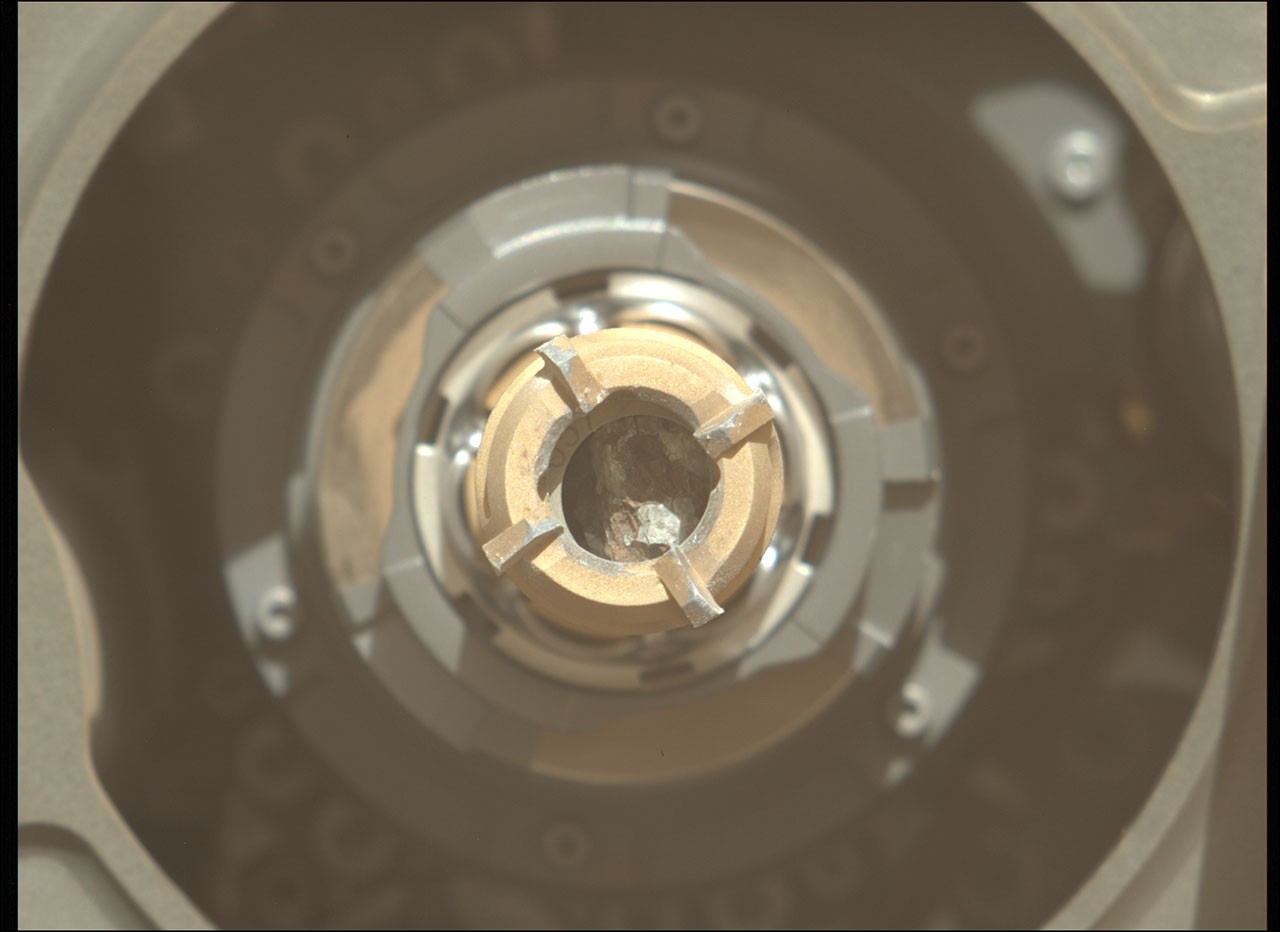
- The Perseverance rover has collected its sixty-sixth successful abrasion and first new sample in more than a year, named Singita.
- The team targeted a gabbroic rock similar to a previously inaccessible specimen, using strategic positioning and fresh drill bits to overcome extreme hardness.
- Analysis suggests the rock formed deep within the Martian crust and was exposed by major impact events, potentially making it one of the oldest samples in the collection.
NASA’s Perseverance rover has successfully retrieved a new geological sample from the surface of Mars, ending a sampling hiatus that lasted more than twelve months. The newly acquired specimen, designated Singita, represents the mission’s sixty-sixth successful abrasion and marks a significant milestone in the ongoing effort to assemble a diverse collection of Martian materials for eventual return to Earth. This achievement underscores the rover’s continued operational health and its capacity to execute complex scientific maneuvers despite the challenging conditions on the Red Planet.
The decision to target this specific rock was driven by a desire to include gabbro, an igneous rock type composed primarily of calcium-rich plagioclase feldspar and pyroxene crystals, in the sample inventory. Previous attempts to collect similar material had failed due to the extreme hardness of the rocks, which exceeded the capabilities of the drilling equipment at that time. One such target, known as Badger Peak, proved too resistant to core, prompting the science team to search for an alternative candidate with comparable composition but more favorable physical characteristics for extraction.
To locate a suitable replacement, the rover traveled approximately one hundred meters to a different area characterized by light-toned rocks. Visual and chemical data gathered from this new workspace indicated that these stones shared a compositional profile similar to Badger Peak. This similarity suggested that the new targets could provide the desired gabbroic material without repeating the mechanical failures encountered previously. The strategic relocation allowed the team to identify a rock with a flatter surface, which offered better stability for the drill’s stabilizers during the coring process.
The acquisition of Singita required careful planning and precise execution. The engineering team selected a neighboring rock that presented a more accessible geometry for the drilling apparatus. Additionally, they utilized a coring bit with reduced wear to maximize efficiency and minimize the risk of breakage or slippage. These prudent adjustments were critical in overcoming the material’s resistance. The drill ultimately penetrated approximately 3.1 centimeters into the rock, a depth sufficient to secure a viable sample while preserving the integrity of the equipment.
While Singita is the most recent addition to Perseverance’s collection, it may also be one of the oldest. Textural analysis of the rock suggests it originated deep within the Martian crust, far below the surface where it was originally formed. The exposure of this deep-seated material likely resulted from one or more large impact events that excavated and modified the surrounding terrain. This geological history provides valuable insights into the planet’s internal structure and the violent processes that have shaped its surface over billions of years.
The successful collection highlights the perseverance inherent in the mission’s design and operation. The rover remains in nominal condition, with status reports confirming its health and stability. This operational reliability is essential for the long-term success of the Mars Sample Return Campaign, an ambitious international effort to bring Martian materials back to Earth for detailed laboratory analysis. Each sample collected adds a piece to the puzzle of Mars’ geological evolution and potential habitability.
The inclusion of gabbro in the sample set is particularly significant for understanding the planet’s magmatic history. Gabbroic rocks are typically associated with slow cooling of magma deep underground, offering clues about the composition and thermal state of the Martian interior. By securing this type of specimen, scientists gain access to data that cannot be obtained from surface volcanic flows or sedimentary layers alone. This diversity in sample types enhances the scientific return on investment for the mission.
Looking ahead, the rover is expected to continue its exploration with many more abrasions and sampling activities planned. The success at Singita demonstrates the team’s ability to adapt to unexpected challenges and refine their strategies based on real-time data. As Perseverance moves forward, it will likely encounter other hard-to-reach targets, requiring similar ingenuity and precision. The mission’s ongoing contributions to planetary science depend on this sustained capability to collect and preserve critical geological evidence.
The broader implications of this sample extend beyond immediate scientific curiosity. Understanding the age and origin of rocks like Singita helps constrain models of Mars’ early history, including the timing of crust formation and subsequent impact bombardment. These insights are crucial for contextualizing findings related to past life potential, as ancient rocks may preserve biosignatures that younger materials have lost. The careful curation of these samples ensures that future researchers will have access to pristine records of the planet’s distant past.
As the mission progresses, the focus remains on maximizing the scientific value of each sample while maintaining the rover’s operational longevity. The successful retrieval of Singita serves as a testament to the collaborative efforts of engineers, scientists, and student collaborators involved in the project. Their combined expertise enables the exploration of some of the most inaccessible environments in the solar system, pushing the boundaries of what is possible with robotic technology. The journey toward returning these samples to Earth continues, driven by the promise of transformative discoveries.
Sources behind this briefing
Go to the original reporting
- NASA↗Newest Sample, Oldest Rock?