The short version
- Paris experienced its first calm night since weekend riots after authorities imposed curfews in multiple cities to prevent further disorder.
- Prosecutors have processed over 800 of the roughly 2,500 arrests made since Saturday, with more than 140 individuals already jailed nationwide.
- The National Assembly has launched an inquiry into the violence and policing strategies, with findings expected before the year ends.
Paris returned to a state of relative normalcy on Tuesday, marking the first quiet night in the capital since a weekend defined by some of the most destructive civil unrest seen in France in recent years. The calm followed the implementation of strict curfews in several cities, a measure authorities deployed to halt the cycle of rioting and looting that had engulfed major urban centers. In the French capital, restrictions were in place from late Monday evening until early Tuesday morning, effectively suppressing the gatherings that had previously turned violent.
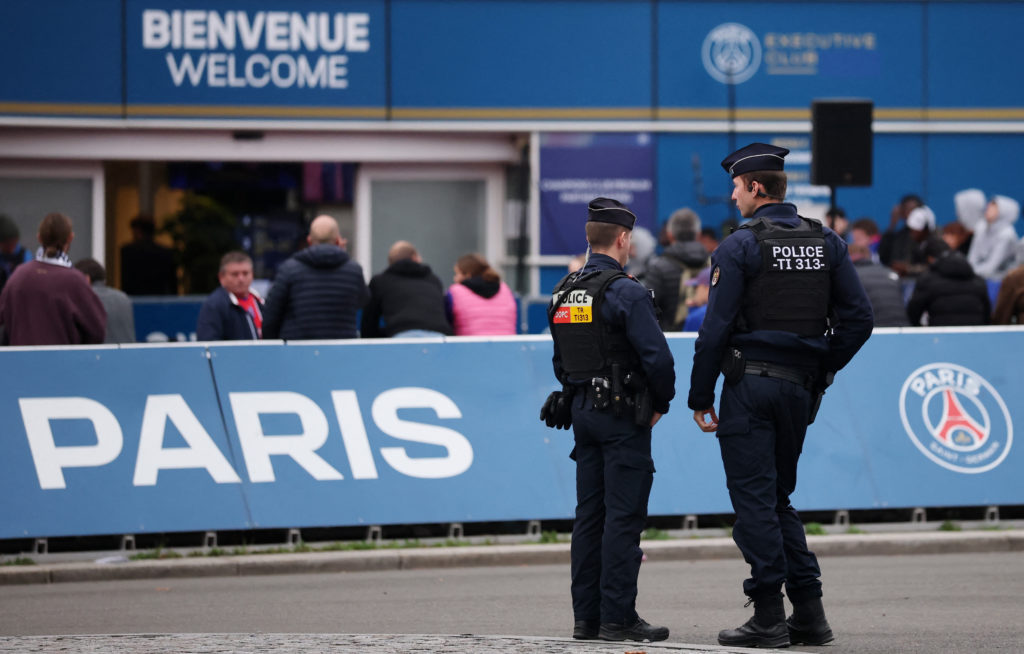
Law enforcement maintained a visible presence to ensure compliance with these new orders. A police helicopter patrolled over Place de la République throughout the night, using searchlights to monitor the square, which had been a focal point for clashes during the weekend disturbances. The aerial surveillance underscored the government’s determination to enforce the nighttime bans and prevent any resurgence of the chaos that had characterized the previous days.
By early Tuesday morning, municipal workers began the process of restoring public spaces damaged during the unrest. A crane was used to remove a large fluorescent yellow vest draped over the central statue at Place de la République. The garment served as a symbolic reference to the fuel price protests that erupted in 2018 and significantly challenged President Emmanuel Macron’s first term in office. Following the removal of the vest, crews used pressure washers to clean graffiti from the monument, signaling an effort to reclaim public order.
Prime Minister Sébastien Lecornu credited the targeted curfews with maintaining peace during the night. He announced on social media that additional restrictions would be imposed where necessary, with decisions made locally by prefects in coordination with mayors. This decentralized approach allows regional authorities to tailor responses to specific local conditions rather than applying a uniform national mandate. The strategy aims to balance security needs with administrative flexibility.
The legal response to the violence has been swift and severe. Justice Minister Gérald Darmanin reported that 149 individuals had been jailed nationwide by Tuesday noon. Of the approximately 2,500 people arrested since Saturday, more than 800 have already appeared before prosecutors. Most of these detainees faced immediate trials or were ordered to appear at future hearings. The speed of this judicial processing reflects a broader governmental intent to demonstrate firmness against property crimes and public disorder.
In Paris alone, the city prosecutor’s office stated that about 300 people had been sent before judges following the protests on October 17. Darmanin emphasized that the justice system would be extremely firm, asking prosecutors to appeal any sentences they deemed too lenient. He noted that it is rare for individuals with no prior criminal record to be imprisoned for property crimes, suggesting a significant shift in judicial practice during this crisis.
To illustrate this hardline stance, Darmanin cited cases from Lille, where three men between the ages of 20 and 25 were each sentenced to 10 months in prison. These individuals, who had no previous criminal records, were imprisoned immediately for looting a video game store in the city’s old town. The immediate incarceration of first-time offenders highlights the government’s priority on deterrence through strict penalties.
The unrest itself was driven by widespread dissatisfaction with rising living costs and deteriorating conditions in schools. Over the weekend, rioters clashed with police across multiple cities, setting cars ablaze, storming public buildings, and burning a historic city hall. Small groups continued to cause damage on Sunday evening, targeting trash bins, bicycles, and businesses in Paris, Lyon, Marseille, and other locations. The scale of the destruction prompted a robust national response.
Looking ahead, the National Assembly has initiated an inquiry into the violence that occurred on October 17 and the authorities’ policing strategies during the events. Yaël Braun-Pivet, the speaker of the lower house, indicated that findings from this investigation are expected by the end of the year. This parliamentary review will likely examine both the causes of the unrest and the effectiveness of the government’s security measures.
As France moves past the immediate crisis, the focus remains on preventing further escalation while addressing the underlying grievances that fueled the protests. The combination of localized curfews, aggressive judicial processing, and political inquiry represents a multi-faceted approach to restoring stability. Whether these measures will sustain long-term peace or merely suppress symptoms remains to be seen as the nation navigates this period of social tension.
Sources behind this briefing
Go to the original reporting
- PBS NewsHour↗Curfews bring calm to Paris as France cracks down on weekend rioters