The short version
- Brent crude prices rose three percent to $112 per barrel, reaching their highest level since May following renewed military activity in the Middle East.
- The Iranian Islamic Revolutionary Guard Corps reported striking vessels in the northern Gulf and triggering mine collisions near the Strait of Hormuz, while Houthi forces attacked targets in Saudi Arabia.
- Global equity markets declined across Europe and Asia amid concerns over inflation and borrowing costs, even as data indicates Persian Gulf oil exports have surpassed prewar volumes.
International oil prices climbed to their highest point in five months on Thursday, driven by escalating violence in the Middle East that threatens to disrupt global crude supplies. Brent crude, the standard benchmark for international pricing, increased by three percent to reach $112 per barrel. This marks the first time the price has hit this level since May 18, reflecting immediate market anxiety over the stability of energy flows from the region.
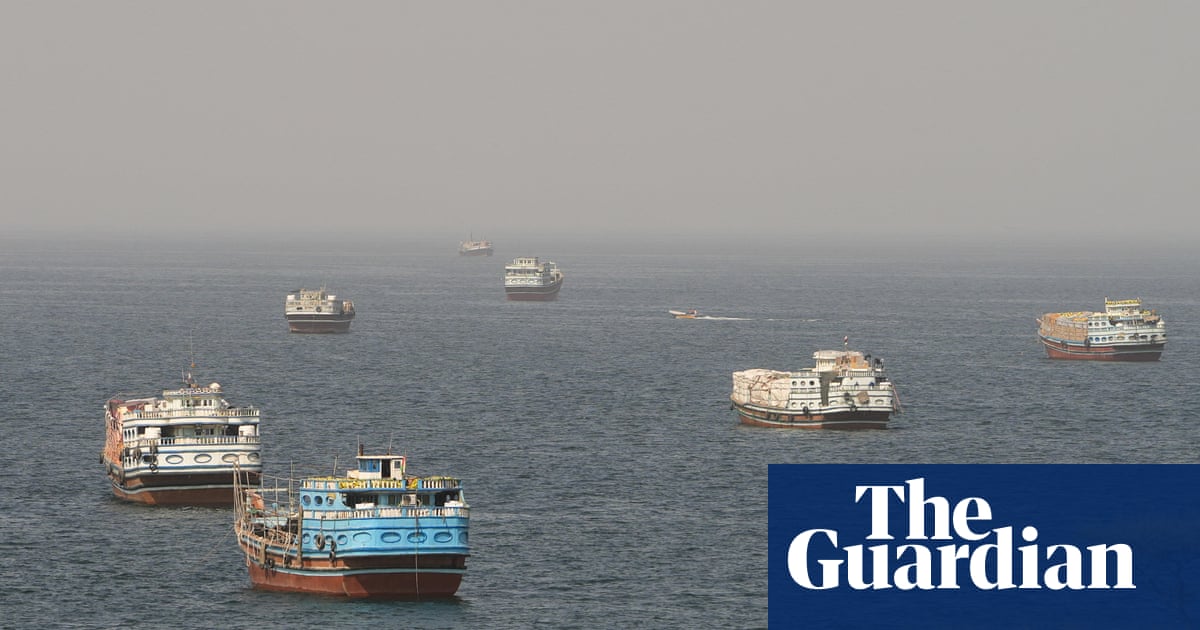
The surge follows a series of coordinated attacks reported across the Gulf. The Iranian Islamic Revolutionary Guard Corps stated that its forces targeted four vessels involved in what it described as illegal oil transfers in the northern Gulf, causing them to catch fire. Additionally, the group reported that three other ships struck mines west of the Strait of Hormuz. These actions were accompanied by a warning to the United States that further provocations could result in broader retaliation against American regional bases.
Simultaneously, Houthi forces aligned with Iran launched strikes against Saudi Arabia. Reports indicate attacks on a civilian airport in Dammam resulted in two deaths and eight injuries. A separate drone strike targeted a Saudi oilfield, killing two people. These incidents have prompted immediate safety responses from both government and corporate entities in the region.
In response to the heightened threat level, the United States has ordered some diplomats and their family members to depart their posts in Saudi Arabia. Plans are also underway to withdraw dependents from several other diplomatic missions across the Middle East. On the corporate side, Saudi Aramco has directed staff to evacuate its headquarters in Dhahran and transition to remote work arrangements, signaling a serious concern for personnel safety amid the ongoing hostilities.
The current volatility occurs nearly eight months after Tehran effectively blocked the Strait of Hormuz, an event that many analysts feared would cause the most significant energy supply disruption in market history. During the initial phase of the conflict, following US-Israeli attacks on Iran, oil prices spiked past $100 per barrel. At that time, market observers predicted prices could reach as high as $150 per barrel if flows through the critical waterway were completely halted.
Price trends have been volatile since then. Oil reached a peak of $126 per barrel in April during the height of the conflict before falling below $100 in late May. Prices continued to decline, hitting lows of $71 at the beginning of July as hopes for a ceasefire in the region grew. However, the collapse of a memorandum of understanding between the US and Iran led to renewed hostilities, causing prices to climb once again.
Despite the recent attacks and price spikes, data from Kpler suggests that oil exports from the Persian Gulf have actually risen above their prewar levels. This increase is partly attributed to a shift in logistics, with more oil being pumped overland through pipelines to the Red Sea and the Gulf of Oman rather than relying solely on traditional maritime routes through the Strait of Hormuz.
The uncertainty surrounding energy supplies has rippled through global financial markets. Global stocks experienced volatility on Thursday as investors weighed the implications of higher inflation and potential increases in borrowing costs. In Europe, the Stoxx 600 index fell by one percent, while the UK’s FTSE 100 dropped by 0.7 percent.
Asian markets faced steeper declines. Japan’s Nikkei 225 index fell by 2.7 percent, and South Korea’s Kospi dropped by 3.5 percent. Hong Kong’s Hang Seng index also shed three percent. These movements reflect broader investor caution as the region remains unstable and the long-term impact on global energy security remains unclear.
Sources behind this briefing
Go to the original reporting
- The Guardian World↗Oil prices jump to five-month high as attacks threaten global supply