The short version
- The Australian treasurer announced that upcoming budget updates will reflect weaker economic growth and increased unemployment rates.
- Financial markets are pricing in a significant probability of another interest rate hike, driven by stubborn inflation pressures.
- Economists warn that the full impact of recent monetary tightening has yet to materialize, suggesting further declines in housing values and job security.
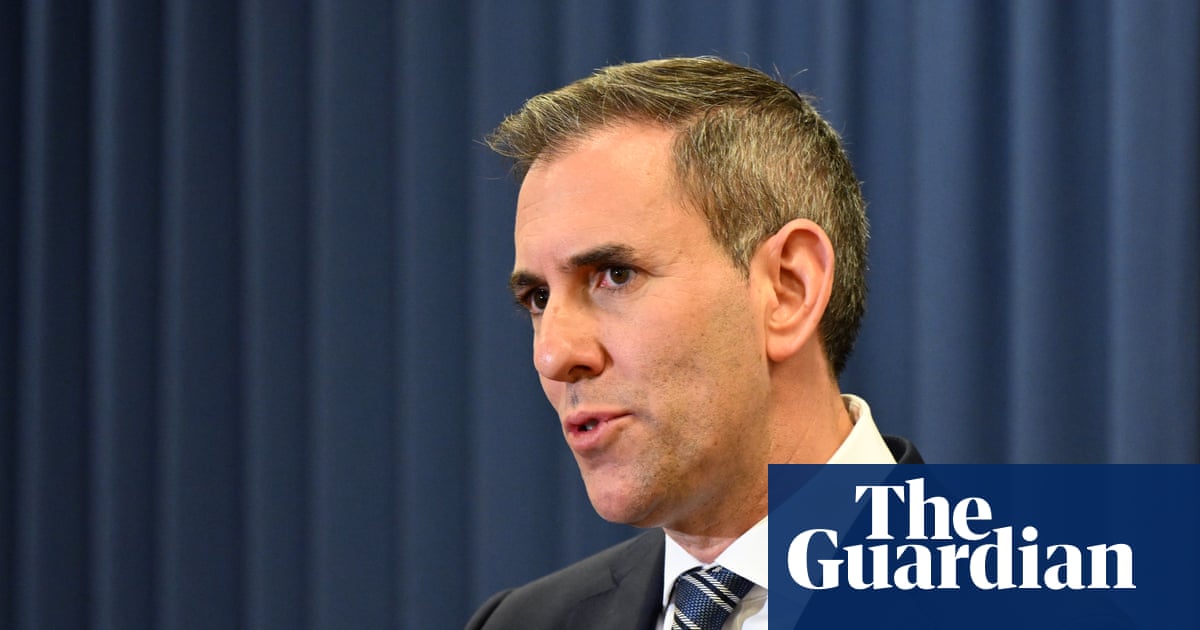
The Australian government is preparing to release revised economic forecasts that project a deterioration in key performance indicators, including slower growth and rising unemployment. Treasurer Jim Chalmers indicated that the mid-year budget update would reflect these negative trends, acknowledging that higher inflation and tighter monetary policy are exerting significant pressure on domestic activity. This admission marks a shift in official expectations, signaling that the economy is entering a more difficult phase rather than stabilizing as previously hoped.
The timing of this announcement coincides with growing concerns from financial markets about the direction of interest rates. Just days before the treasurer’s speech, senior officials at the Reserve Bank hinted at the possibility of another rate increase in the near term. Market analysts have responded by raising the likelihood of a hike to nearly sixty percent, reflecting anxiety that inflation remains more entrenched than anticipated. This potential fifth rate rise adds to the burden on households and businesses already grappling with the effects of four previous increases this year.
Labor market data supports the gloomy outlook presented by government officials. Unemployment reached 4.7 percent in September, marking the highest level in nearly five years. Economists suggest that this figure is likely to climb further as the lagged effects of monetary tightening continue to flow through the economy. Jonathan Kearns, chief economist at Challenger, noted that conditions are expected to worsen before any improvement occurs, with unemployment potentially hitting the 5 percent threshold. This level would present a significant political challenge for the ruling Labor party.
The housing market is also facing substantial headwinds. Analysts at ANZ Bank have revised their forecasts to predict a record peak-to-trough decline of 13.5 percent in capital city home prices. While some recovery may begin in 2028, the immediate future looks bleak for property owners and prospective buyers. This projected drop in asset values is expected to negatively impact consumer confidence and spending, further dampening economic activity. The combination of falling house prices and rising joblessness creates a dual pressure point for Australian households.
Inflation remains a central concern for policymakers. Sally Auld, chief economist at NAB, described the inflation challenge as worse than previously thought, noting that growth needs to slow to bring price pressures under control. She acknowledged that the next six to nine months would be particularly challenging but expressed hope that lower inflation by this time next year would signal a return to smoother economic waters. The Reserve Bank’s aggressive stance is intended to curb these price increases, even if it means accepting short-term pain in the labor and housing markets.
The political implications of this economic downturn are significant for Prime Minister Anthony Albanese’s government. The administration has already faced criticism over its ambitious tax reforms, and the deteriorating economic situation threatens to further erode public support. Treasurer Chalmers finds himself in a difficult position, balancing the need to provide cost-of-living relief against the risk of exacerbating inflation. Any additional spending could fuel price rises, while cutting back might be blamed for contributing to job losses.
External factors also complicate the outlook. Ongoing conflicts in the Middle East pose a risk to global energy supplies, which could keep fuel costs high through the festive season and summer holidays. This external volatility adds another layer of uncertainty to an already fragile domestic economy. Households are likely to feel the pinch at the pump, reducing disposable income and further constraining consumer spending during a critical period for retail sales.
Looking ahead, the government is hoping for an economic tailwind before the next federal election in 2028. However, current indicators suggest that the path to recovery will be slow and uneven. The interplay between inflation, interest rates, and employment creates a complex policy environment where traditional remedies may have unintended consequences. As Treasury revises its numbers, the focus will remain on managing expectations and mitigating the social impact of economic contraction.
Economists emphasize that the full extent of the downturn has not yet been realized. The lag effect of interest rate hikes means that businesses and consumers are still adjusting to higher borrowing costs. This adjustment period is likely to result in further softening of the labor market and continued pressure on housing prices. Policymakers must navigate this transition carefully, avoiding actions that could destabilize an already vulnerable economic landscape.
The coming months will be critical in determining whether the economy can stabilize without a severe recession. The government’s ability to manage public sentiment while implementing necessary fiscal and monetary measures will be tested. With unemployment rising and growth slowing, the narrative of economic resilience is being replaced by one of caution and restraint. The mid-year budget update will serve as a key indicator of how serious officials believe the situation has become.
Sources behind this briefing
Go to the original reporting
- The Guardian World↗Economy set to worsen, with higher unemployment and weaker growth on the way, Jim Chalmers reveals