The short version
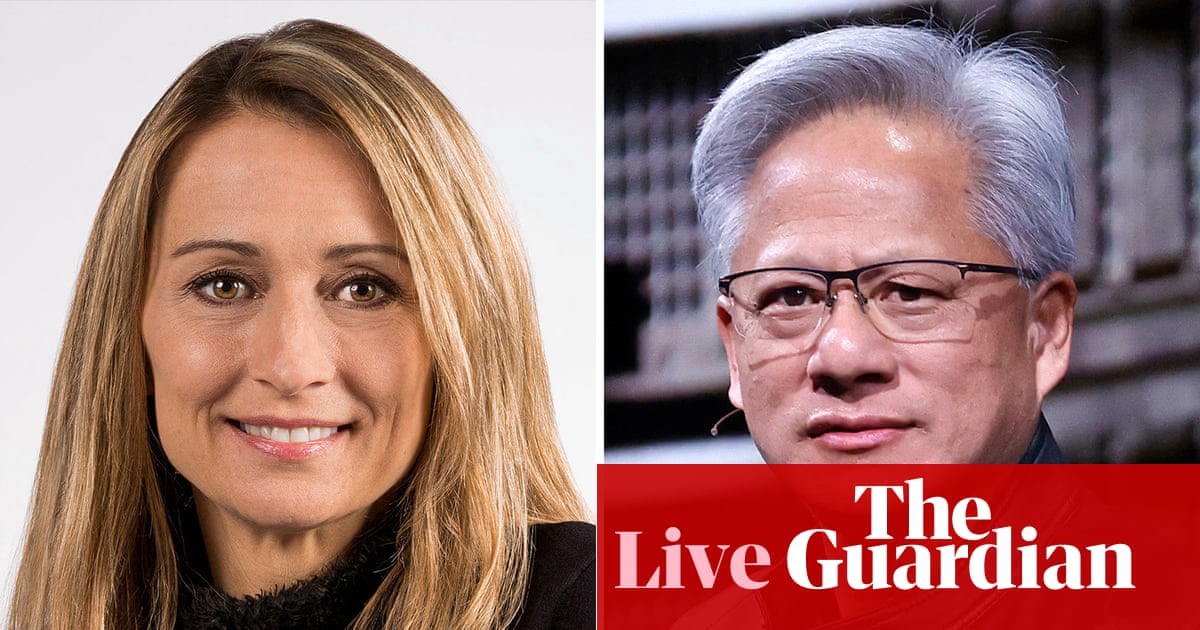
- US intelligence officials reportedly concluded that Alice Huang, a former executive at Megaspeed, was an asset for Chinese intelligence services who passed information to Beijing during her relationship with Nvidia CEO Jensen Huang.
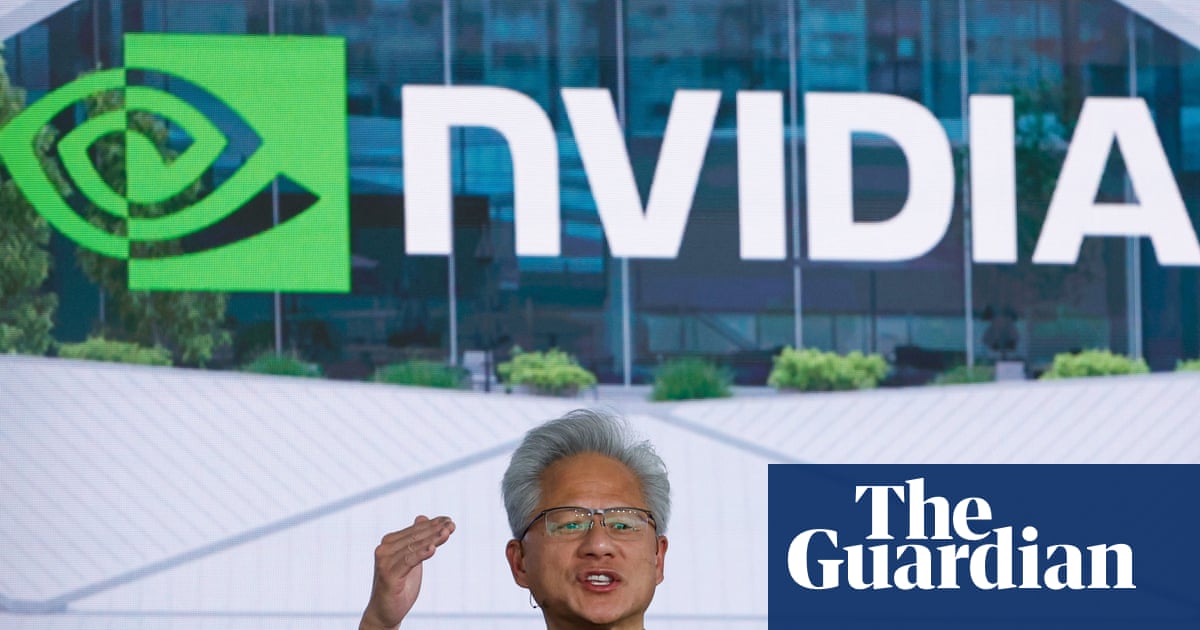
- Nvidia’s market capitalization has dropped by approximately $600 billion following reports that the company’s board is considering removing Huang from his leadership role due to the security implications of the affair.
- While Nvidia maintains that no national secrets were compromised, the incident has triggered intense scrutiny regarding the security of the AI supply chain and the potential for foreign actors to infiltrate critical technology sectors.
The stability of one of the world’s most valuable technology companies is under severe strain after reports emerged that US intelligence agencies believe a woman involved in a romantic relationship with Nvidia CEO Jensen Huang was recruited by Chinese spies. The revelation has triggered a dramatic reassessment of risks within the artificial intelligence industry, where access to advanced computing hardware is viewed as a matter of national security. The situation highlights the complex intersection of personal conduct, corporate governance, and geopolitical espionage in the modern tech landscape.
Alice Huang, who holds no familial relation to Jensen Huang, served as an executive at Megaspeed, a Singapore-based computing firm that purchases Nvidia chips and rents computing resources to Chinese entities. US authorities had previously investigated Megaspeed for potential violations of export controls, specifically regarding the smuggling of restricted semiconductor technology into China. Both Nvidia and Megaspeed have denied these allegations. However, intelligence assessments now suggest that Alice Huang was not merely a business executive but an asset actively passing information to Beijing.
The financial repercussions for Nvidia have been immediate and severe. The company’s valuation, which is heavily dependent on the leadership and reputation of its founder, has seen a massive correction. In recent trading sessions, approximately $430 billion in value was erased from the stock price. This figure subsequently expanded to roughly $600 billion as news spread that the board of directors was deliberating whether to remove Jensen Huang from his position. The volatility underscores investor anxiety about potential regulatory backlash and operational disruptions.
Jensen Huang has publicly acknowledged the personal dimension of the crisis. In a letter addressed to employees, he admitted to being unfaithful to his wife, expressing deep remorse for the pain caused to his family. He characterized his interactions with Alice Huang as neither unusual nor unexpected in a professional context, though the romantic nature of the relationship was previously undisclosed. Nvidia has engaged outside legal counsel to review the extent of their contact and asserts there is no evidence that proprietary secrets or national security interests were compromised.
The background of Alice Huang adds layers of complexity to the investigation. Reports indicate she was born in rural Hunan province and worked as a journalist for China’s state broadcaster before moving into finance at institutions such as HSBC and Citic Securities. In 2015, she joined an investment management firm where she met financier Kang Wei. The two later rebranded themselves as entrepreneurs in the AI sector, acquiring Megaspeed in 2023 with the goal of transforming it into a data center business. Their pitch to investors centered on their ability to secure access to Nvidia’s high-demand chips.
Critical questions remain unanswered regarding the scope of the espionage and the awareness of Nvidia’s leadership. It is unclear whether the board knew about US intelligence suspicions concerning Alice Huang before the public revelation. The specific evidence that led agencies to classify her as a spy remains classified, leaving the public and markets to speculate on the severity of the breach. Furthermore, the exact timeline of when Jensen Huang met Alice Huang and when their relationship turned romantic is not fully established, complicating efforts to determine what information may have been exposed.
The incident has sparked broader concerns about the vulnerability of the AI supply chain to foreign infiltration. As nations compete for dominance in artificial intelligence, the movement of hardware and data across borders presents significant security challenges. The involvement of a Chinese national in a close relationship with a key US tech executive raises alarms about how easily sensitive information might be accessed through personal connections rather than traditional corporate espionage methods.
Looking ahead, the outcome of Nvidia’s internal review will likely set a precedent for how technology firms handle conflicts between executive personal lives and national security interests. If Huang is removed or forced to step aside, it could lead to leadership instability at a critical juncture in the AI race. Conversely, if he remains, the company must navigate intense political scrutiny and potential legislative actions aimed at tightening controls on chip exports and foreign partnerships.
Beyond the corporate fallout, the case illustrates the evolving nature of intelligence operations in the digital age. Traditional espionage often relies on covert channels, but this incident suggests that personal relationships can serve as effective vectors for information gathering. As governments increase their focus on protecting critical infrastructure and intellectual property, tech executives may face heightened vetting and monitoring, altering the culture of openness that has characterized much of the industry.
The situation continues to develop with no clear resolution in sight. Markets remain volatile, and political figures are likely to demand answers regarding oversight failures. For now, the focus remains on determining the extent of any data leakage and assessing whether Nvidia’s competitive advantage has been permanently undermined by this breach of trust.
Sources behind this briefing
Go to the original reporting
- The Guardian World↗Thursday briefing: What we do (and don’t) know about Alice Huang and the Nvidia affair