The short version
- New South Wales officials have seized control of the approval process for a controversial public square in central Sydney.
- Lord Mayor Clover Moore welcomed the move, asserting the city has sufficient funds and design expertise to proceed.
- The project faces opposition from state Premier Chris Minns and local businesses due to cost and disruption concerns.
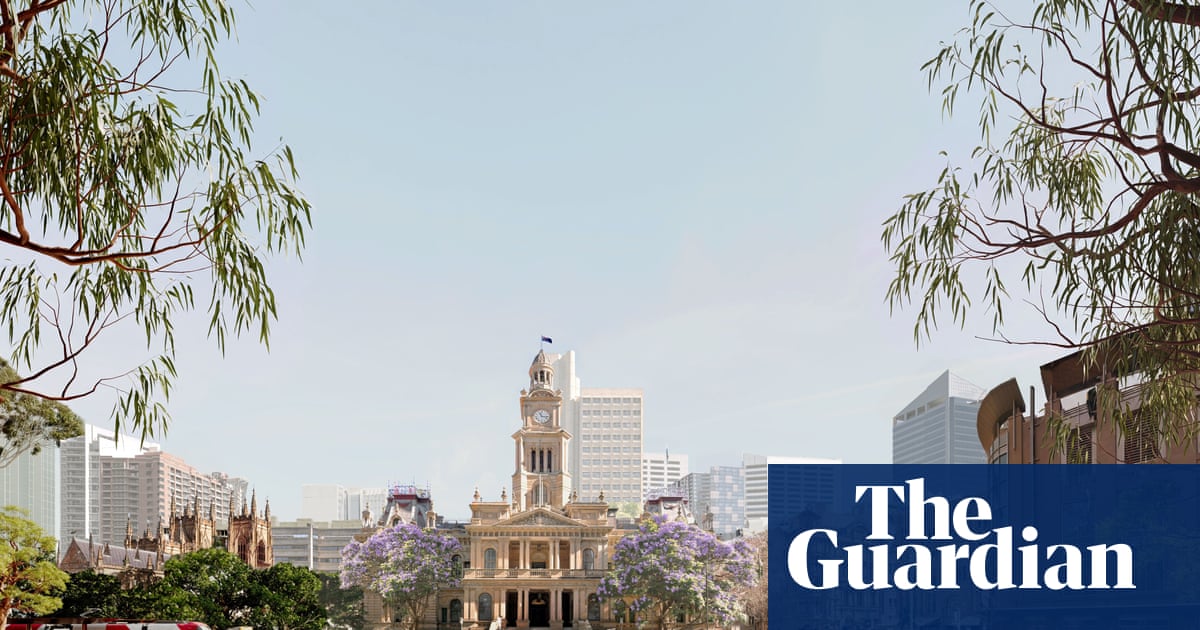
Plans for a major new public square in the heart of Sydney have entered a period of uncertainty after the New South Wales government intervened in the approval process. The state planning minister, Paul Scully, declared the project a state significant development on Friday, effectively stripping the City of Sydney of its authority to grant final consent. This administrative shift moves the decision-making power from local council officials to the state level, where either the minister or the Independent Planning Commission will evaluate any future applications.
The proposed plaza is situated opposite Sydney Town Hall and was originally scheduled for completion by 2031. Lord Mayor Clover Moore unveiled preliminary designs in August, featuring a semi-circular open space that extends eastward toward Hyde Park. The vision includes a central fountain and a dedicated grove of native trees, aiming to create a grand civic gathering spot. The City of Sydney had been working through the final stages of acquiring the necessary properties, including negotiations with owners of the last of seven buildings slated for demolition.
The financial scope of the undertaking is substantial, with estimated costs for demolition and construction reaching $150 million. Despite the high price tag, Moore emphasized that the city has responsibly saved funds over a forty-year period to deliver the project without incurring debt. She noted that leading international designers and architects have been engaged to refine the plans, suggesting a high standard of professional preparation. The council maintains confidence in the proposal's merits, arguing there is no inherent planning reason for it to be rejected.
However, the project has become a focal point of political contention between the local government and the state premier, Chris Minns. Minns has publicly expressed his lack of support for the square, characterizing it as excessively expensive and disruptive to the city's daily operations. He argued that the construction would negatively impact local businesses in the vicinity, potentially forcing closures during the building phase. This disagreement highlights a broader tension between municipal ambitions for urban renewal and state-level concerns regarding economic stability and infrastructure disruption.
Beyond political maneuvering, the square has ignited a cultural debate within Sydney media circles. The Daily Telegraph, a prominent tabloid, has ridiculed the project, publishing artificial intelligence-generated images depicting the plaza filled with protesters. These visual critiques have contributed to a polarized public discourse, framing the square not just as an urban planning issue but as a symbol of broader societal divides. The intensity of this media coverage suggests that public opinion remains sharply divided on the value and necessity of the development.
Commercial interests are also weighing in against the proposal. Woolworths, which operates a store at the Town Hall location, opposes the plans because one of its buildings is among those targeted for demolition. The supermarket chain's resistance adds another layer of complexity to the acquisition process, as the city must navigate property rights and business continuity concerns. The involvement of major retail entities underscores the practical challenges of redeveloping dense urban centers where commercial leases and property ownership intersect with public space initiatives.
Minister Scully stated that the new pathway allows for a rigorous whole-of-government assessment by the relevant department. This process is designed to provide opportunities for individuals, community groups, and other stakeholders to voice their opinions on any development application submitted by the City of Sydney. While state interventions in planning are often used to accelerate development projects, this case is unusual because the government stepped in before a formal development application even existed. The move effectively pauses local momentum and subjects the proposal to a higher level of scrutiny.
Despite the loss of direct control over approvals, Moore welcomed the minister's decision, stating she could not agree more with the shift to state significance. She argued that regardless of who assesses the project, the city remains confident in its ability to secure support. The intervention marks a significant escalation in what was previously a local planning matter, transforming it into a high-profile political and administrative battle. The outcome will likely depend on how the Independent Planning Commission balances the city's long-term civic goals against the state's concerns about cost and disruption.
The next steps involve the City of Sydney submitting a formal development application under the new state significant framework. The Independent Planning Commission will then determine whether to delegate the consent authority back to the minister or handle it directly. This procedural change introduces additional timelines and bureaucratic hurdles that could delay the project beyond the original 2031 completion target. As stakeholders prepare for this extended review period, the debate over the square's future remains unresolved, with both sides positioning themselves for a prolonged contest over Sydney's urban landscape.
Sources behind this briefing
Go to the original reporting
- The Guardian World↗Plans for Sydney’s controversial new public square in doubt after NSW government intervention