The short version
- Livingston city commissioners reinstated a filming permit for a conservative media production after temporarily revoking it due to resident complaints about noise and obstructed access to community resources.
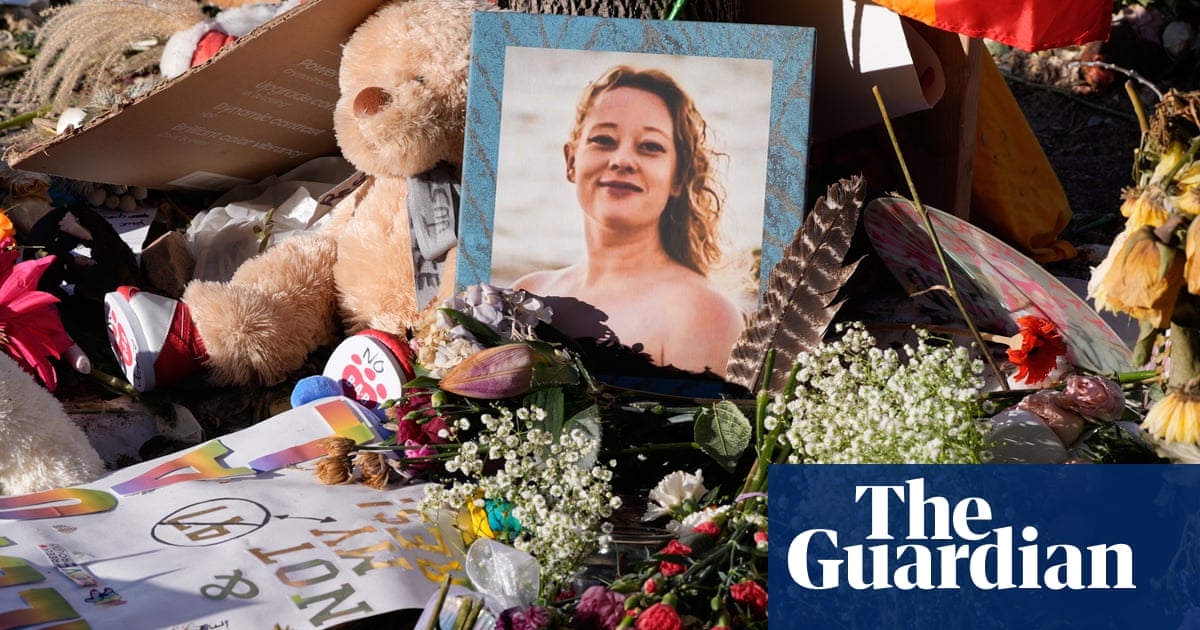
- The film, titled Pawn Shop, features scenes that residents argue resemble the fatal shooting of Renee Good, an incident involving an ICE agent in January, leading to accusations that the production is exploiting local trauma.
- Daily Wire co-founder Ben Shapiro criticized the initial permit revocation as capitulation to protesters, while local nonprofit leaders welcomed new conditions ensuring better notice and access for community members.
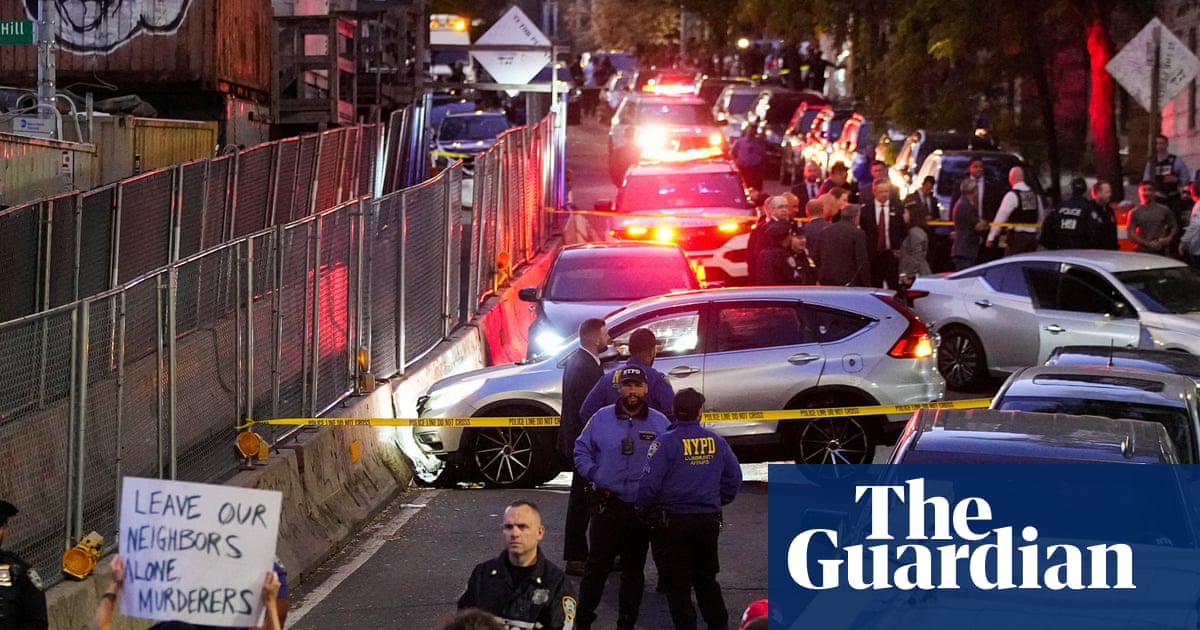
A rural Montana town has allowed a controversial film production to resume operations after a brief suspension sparked by resident complaints regarding logistical disruptions and the sensitive nature of the movie’s plot. The project, produced by the conservative media outlet Daily Wire, had been temporarily halted earlier this month following grievances raised during a Livingston city commission meeting. Residents cited inconvenient road closures that impeded access to essential services, including a local food pantry, as well as distress caused by simulated gunfire and other violent scenes.
The production in question is for a movie titled Pawn Shop, which reportedly stars actors Danny Trejo and Harvey Keitel. According to the film’s logline, the narrative follows an Immigration and Customs Enforcement agent attempting to escape from an angry mob intent on freeing an immigrant he has detained. The storyline has drawn significant attention because it appears to mirror elements of the January killing of Renee Good, a case that has become a focal point in national debates over immigration enforcement and police conduct.
Concerns about the production’s impact on the community were voiced by several residents at last week’s commission meeting. One area resident, Bex Frucht, argued that the company was hijacking the downtown area with hired personnel and re-enacting mob violence while blocking entrances to beloved nonprofits. Frustration centered not only on the thematic content but also on the lack of public notice regarding street closures and the unsettling nature of the sound effects used during filming.
Visual evidence of the shoot circulated online, showing a scene in which a female protester drives a vehicle into a group of law enforcement agents, knocking one down while another fires a weapon. The car then abruptly reverses. This specific sequence drew particular backlash because of its perceived resemblance to the circumstances surrounding Renee Good’s death. Critics argued that simulating such a highly controversial murder on local streets was inappropriate and exploitative.
In response to the outcry, city officials initially revoked the filming permit. However, they subsequently reinstated it with new parameters designed to address resident concerns. These conditions included stricter rules regarding noise levels and depictions of violence. Kaya Patten-Fusselman, executive director of the Livingston Food Resource Center, expressed support for these updated terms in a social media statement. She emphasized that the primary issue was access, noting that blocked entrances to their one-way parking lot negatively affected clients who rely on the nonprofit’s services.
Patten-Fusselman indicated she would continue working with city officials to ensure that future productions provide adequate notice before implementing multi-week street closures. Her comments highlighted a desire for better communication between film crews and local organizations, rather than an outright ban on production activities. The revised permit aims to balance the economic benefits of hosting film projects with the need to maintain normal operations for community businesses and nonprofits.
The controversy has drawn national attention from Daily Wire co-founder Ben Shapiro, who criticized the city commission’s initial decision to halt filming. In a video posted on social media, Shapiro described the protesters as radical leftwing activists and argued that the company had followed all necessary procedures, including obtaining permits and coordinating with local authorities. He emphasized the high financial costs associated with daily production, suggesting that disruptions caused by protests were unjustified given the legal permissions held by the crew.
Livingston city commissioner Melissa Nootz did not immediately respond to inquiries regarding Shapiro’s remarks. The original schedule called for production to wrap up in Livingston on October 10, but it remains unclear whether the temporary shutdown has delayed this timeline. As filming continues under the new conditions, the situation underscores the growing tension between media productions seeking authentic locations and communities grappling with the real-world implications of the narratives being portrayed.
The incident reflects broader challenges faced by small towns hosting large-scale media projects, particularly when those projects touch on polarizing political issues. While the Daily Wire maintains that it has adhered to all legal requirements, residents argue that the social cost of such productions extends beyond logistical inconveniences. The reinstatement of the permit with added restrictions represents a compromise, though it leaves lingering questions about how local governments should manage the intersection of artistic expression and community well-being.
As the production moves forward, observers will be watching to see if the new parameters effectively mitigate the disruptions that sparked the initial protest. The case of Pawn Shop in Livingston serves as a microcosm of larger debates over media responsibility, local autonomy, and the impact of political storytelling on real communities. Whether the film’s release will further inflame tensions or simply fade into the background remains to be seen, but the immediate aftermath has already left a mark on this Montana town.
Sources behind this briefing
Go to the original reporting
- The Guardian World↗Film shoot appearing to echo Renee Good killing roils Montana town